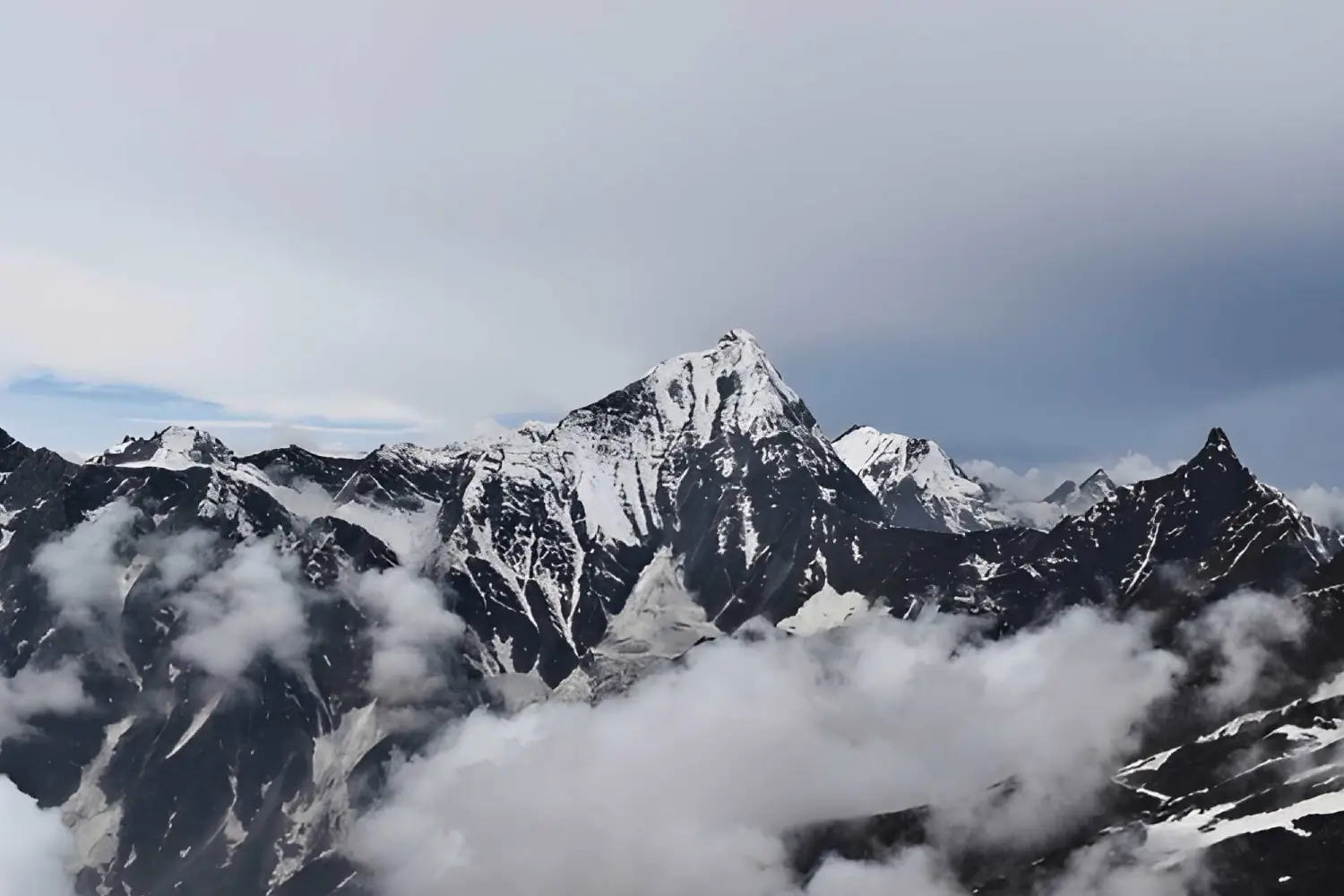
Mount Papsura Expedition, Himachal
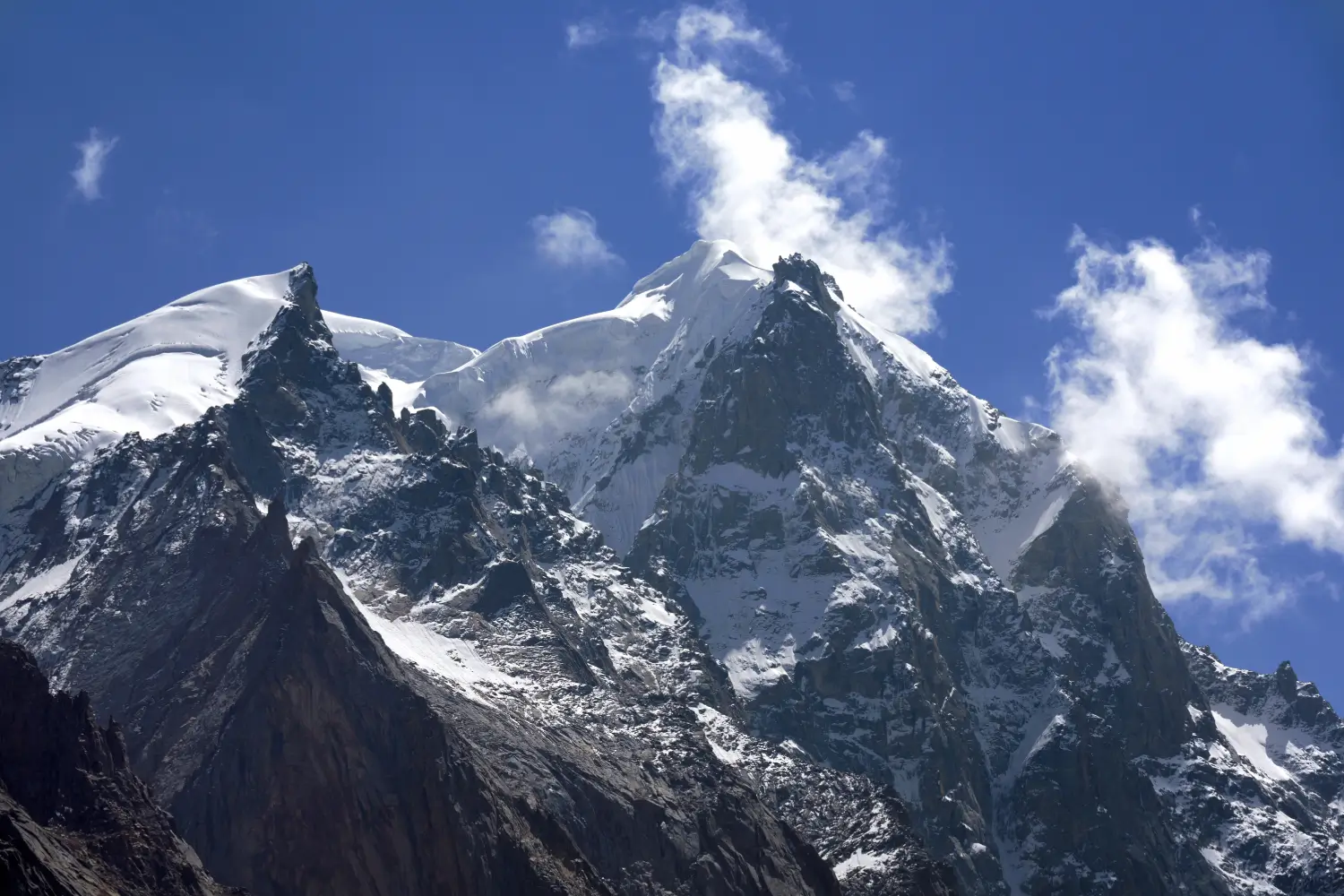
Not every mountain dares you the way Mount Papsura does. At 6,451 meters, this peak in Himachal's Tosh Valley offers one of the most technically demanding trekking expeditions in the Indian Himalayas. Its strategic position marks the natural divide between the verdant Kullu Valley and the stark, arid landscapes of Lahaul. Known as the “Peak of Evil,” Papsura tempts only the most experienced mountaineers with its treacherous slopes and unpredictable weather conditions. The first documented ascent was achieved by Indian mountaineer Capt. Kohli and his team, and ever since, this elusive 6000er has stood as a badge of honor for those seeking the ultimate test in high-altitude technical peak climbing.
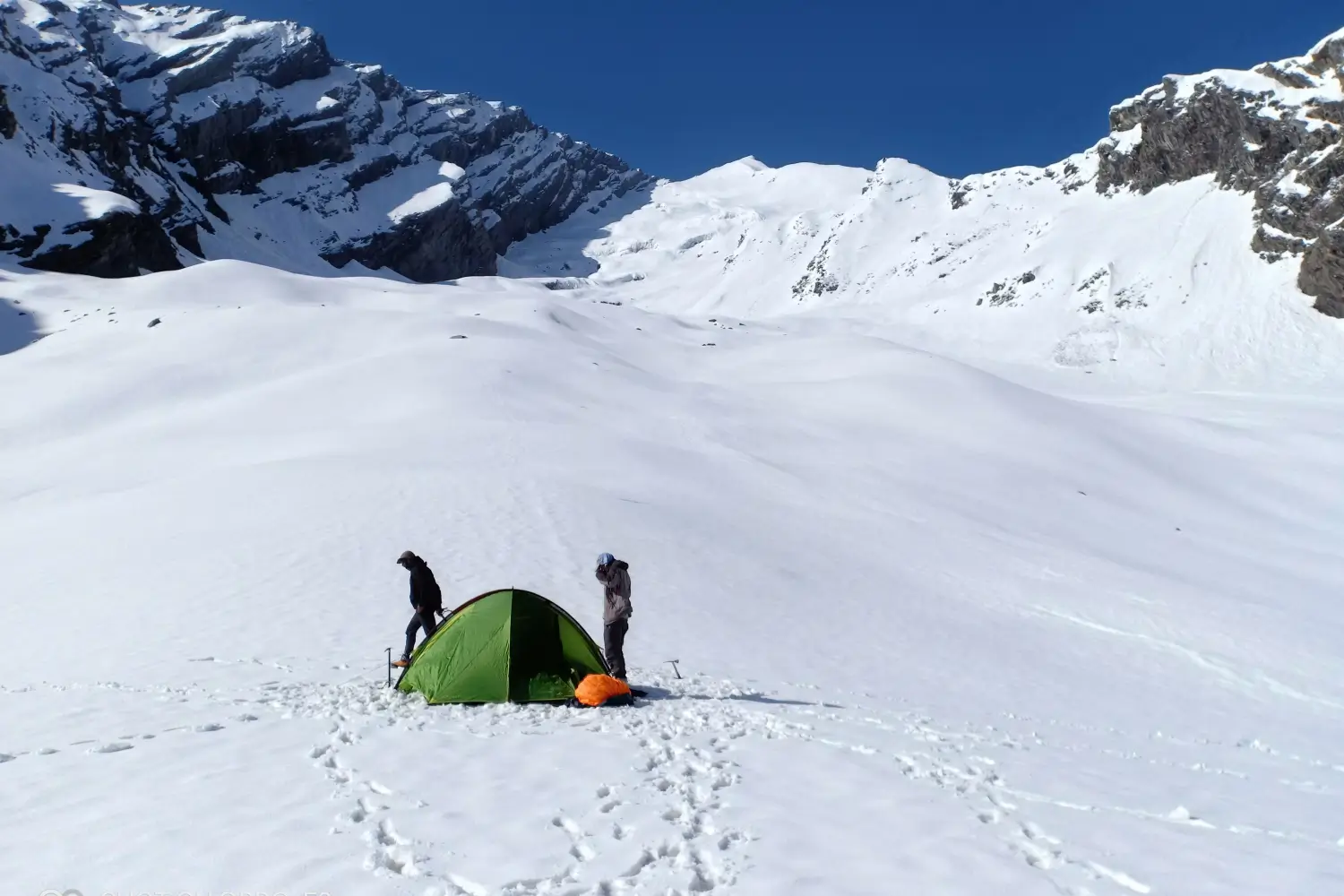
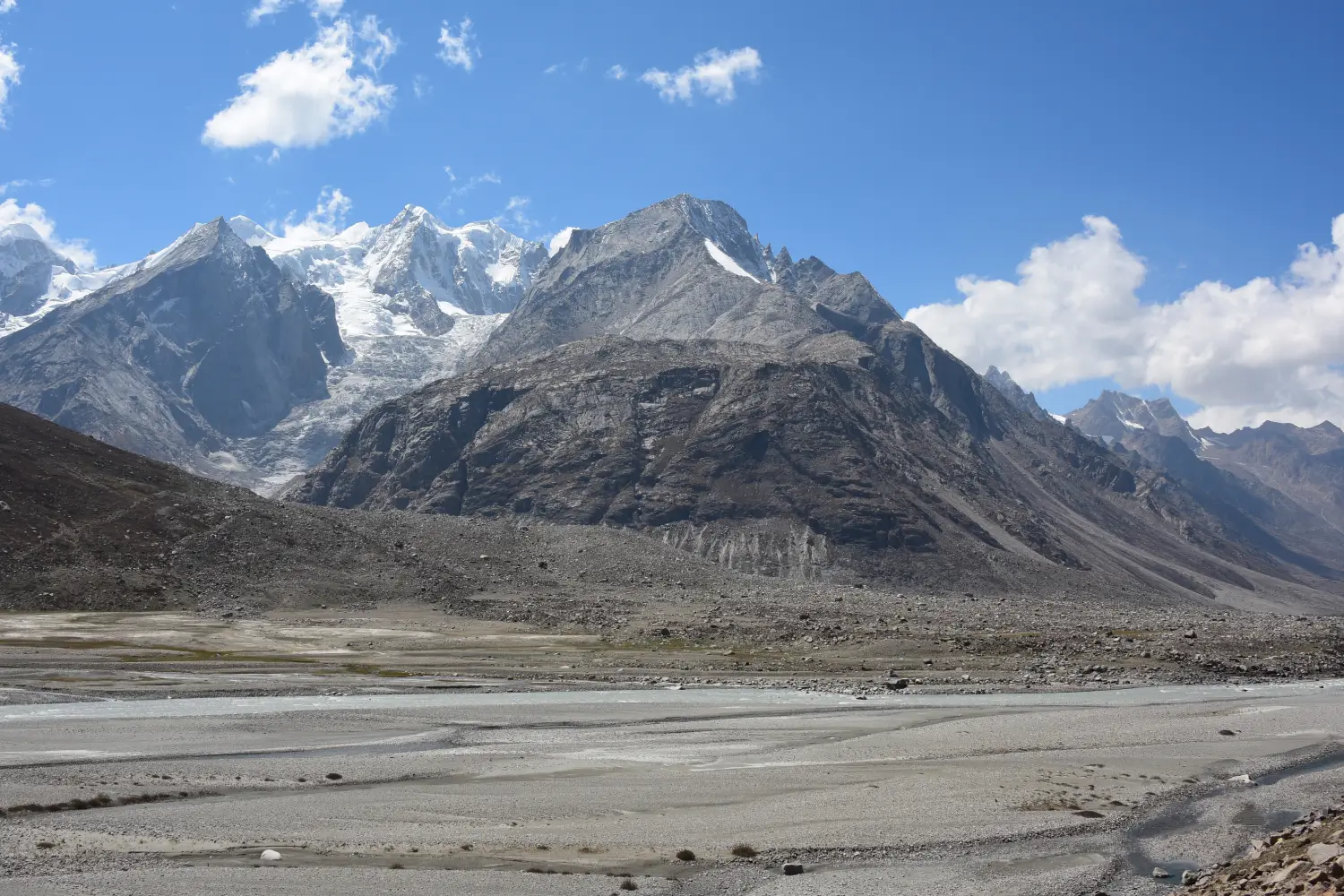
The Mount Papsura expedition begins in the quaint village of Tosh, from where a 3 km trek to Kutla winds through the pine forests and is decked with waterfalls. From Kutla, you'll embark on a scenic 12-hour trek to Saran Thach, following a trail that captures Himachal's natural beauty. Continuing along the Tosh River, the route leads to Samsi Thach, your first glimpse of the snow-clad peaks that define this high-altitude expedition. Crossing the icy expanse of the Tosh Glacier, you'll finally arrive at Kuta Thach, the base camp for Mount Papsura.
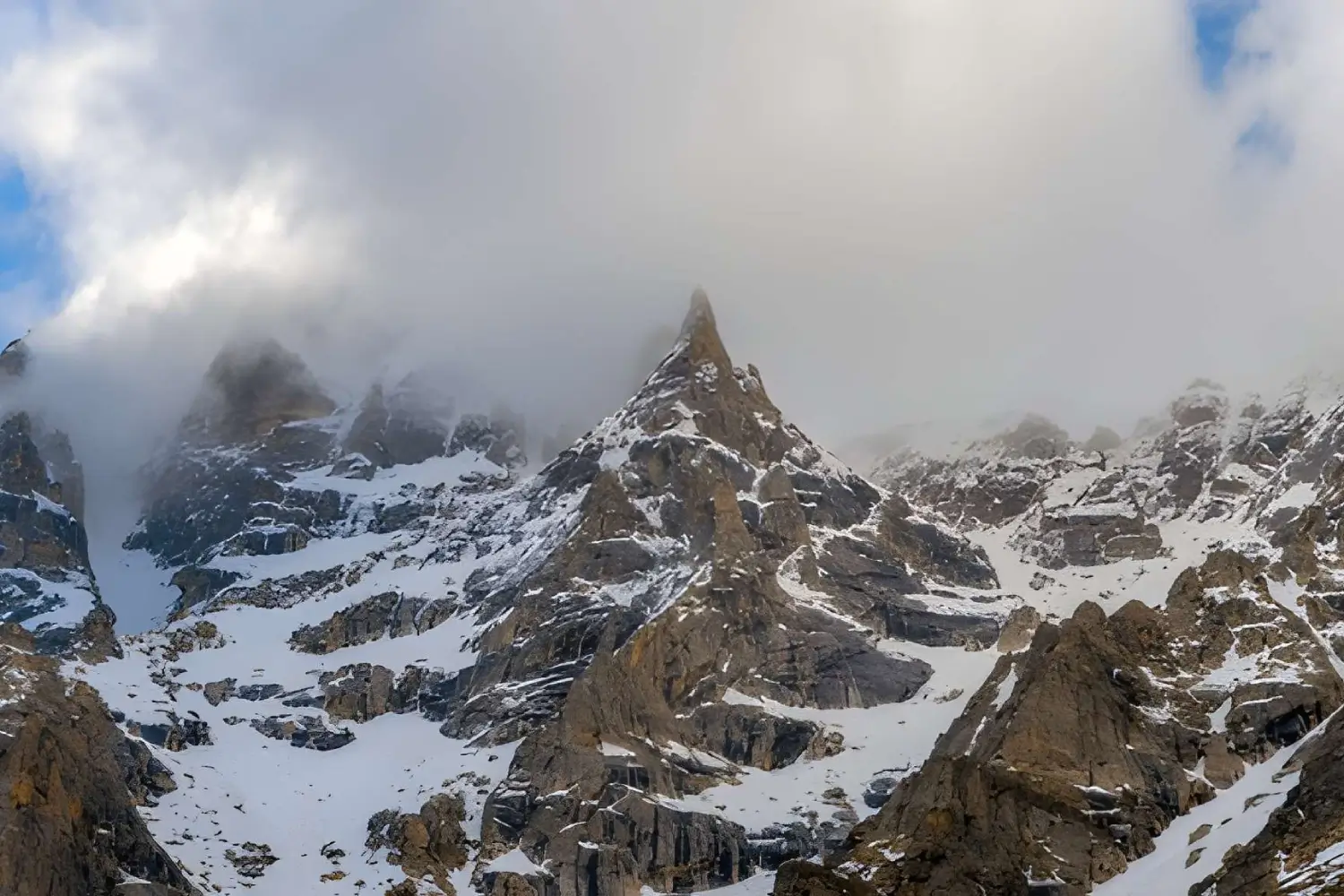
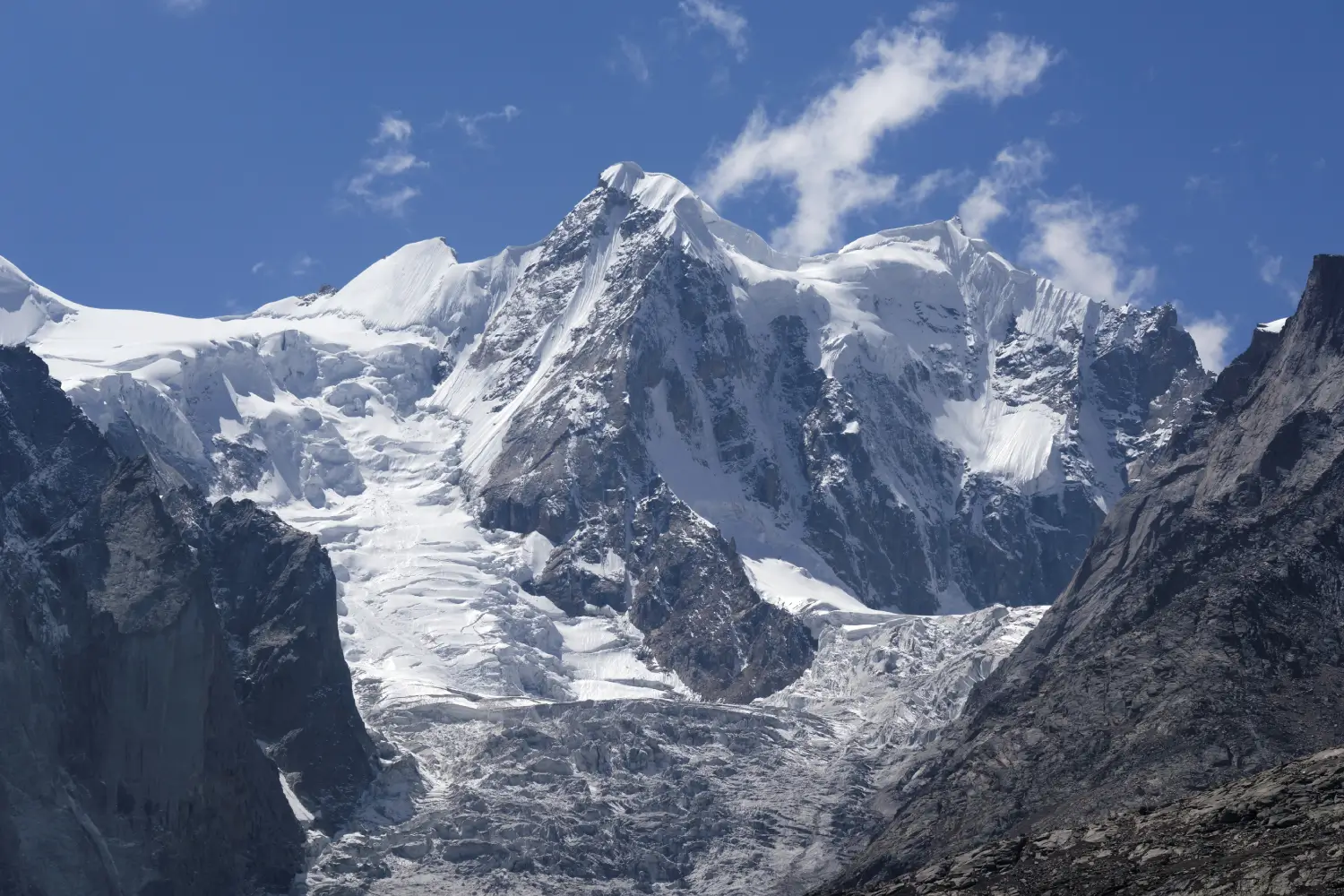
The following 15 days are dedicated to acclimatization and establishing higher camps in preparation for the summit push. On summit day, which begins in the pre-dawn hours, the climb becomes intensely technical, requiring navigation across crevassed snowfields, unstable rockfall zones, and steep, knife-edge ridgelines, all in sub-zero temperatures. By sunrise, you'll stand atop Mount Papsura, greeted by panoramic views of the Kullu and Spiti valleys. The golden light of dawn illuminating nearby Dharamsura Peak and the surrounding Himalayan peaks offers a sight so breathtaking, it will make every challenge of the climb feel worthwhile.
Highlights of Mount Papsura Expedition
- The Base Camp serves as the launch point for twin summit expeditions - Mount Papsura (6,451 m) and Dharamsura (6,446 m), both towering over the remote Tosh Valley in Himachal Pradesh.
- Mount Papsura, the highest peak in the region, is renowned for being one of the most technically demanding climbs in the Pir Panjal Range.
- Climbing Papsura is a true test of endurance, technical prowess, and mental fortitude, attracting only the most seasoned mountaineers.
- The peak's extremely difficult terrain, remoteness and harsh climatic conditions mean that few have attempted and succeeded in scaling this elusive Himalayan giant.
Fitness Requirements for Mount Papsura Expedition
Taking on the Mount Papsura Expedition requires more than just motivation; it demands preparation for one of the most challenging trekking expeditions in the Indian Himalayas. With steep glacier approaches and a summit above 6,400 meters, climbers must meet specific physical and technical standards.
- Basic Climbing Skills : Knowledge of using technical equipment like ropes, crampons, harnesses, and ice axes is essential. Experience with glacier travel and fixed rope ascents is highly recommended.
- Strong Heart and Lung Fitness : Climbing above 6000 meters involves very low oxygen levels. Good cardiovascular health is necessary to manage continuous movement on steep and icy gradients.
- Solid Strength and Core Fitness : Carrying 15 to 20 kg backpacks across moraines, snowfields, and ridgelines demands strong legs, shoulders, and core stability for safe movement.
- Cold and Weather Tolerance : The route often faces high wind speeds, snowfall, and freezing temperatures. Climbers must be able to function effectively in harsh, cold conditions for extended periods.
- Altitude Acclimatization : Previous exposure to elevations above 5000 meters helps the body adapt to the thin air at Papsura's summit height of 6451 meters, reducing the risk of AMS.
- Overall Good Health : Climbers must be free from any chronic heart, lung, or joint issues. A pre-expedition medical fitness certificate is advised for safety assurance.
- Steep Terrain Navigation : The climb involves negotiating a sharp summit ridge and exposed ice walls with fixed ropes. Climbers must be comfortable using jumar and descender devices on steep gradients.
How to Prepare for the Mount Papsura Expedition ?
The Mount Papsura Expedition isn't just a trek, it's a high-stakes alpine climb requiring serious physical readiness and technical training. With a base camp above 4,500 meters, heavily crevassed glaciers, and steep ice ridges, this climb demands months of focused preparation.
- Begin 2 to 3 months in advance with regular hikes or stair climbing sessions while carrying a 12 to 15 kg backpack. Aim for 4 days a week to mimic the 6 km approach trek and intense summit push.
- Practice using mountaineering gear such as crampons, ropes, ice axes, and ascenders. Enroll in a basic or advanced mountaineering course, or train with an alpine climbing group.
- Improve your heart-lung efficiency by cycling, swimming, or jogging. This is key for performing in low-oxygen zones.
- Do at least one acclimatization trek above 3,500 to 4,000 meters before the expedition. This boosts your body's adaptation to extreme elevations.
- Visualize summit conditions and practice calm breathing techniques. The summit ridge is narrow and exposed; mental control is essential during the climb.
- Learn to recognize symptoms of AMS (Acute Mountain Sickness) and practice deep-breathing or pranayama exercises daily.
- Get a full check-up focused on cardiovascular and respiratory health. Ensure you're cleared for sustained physical activity at high altitudes.
Quick Facts
- Location : Parvati Valley, Himachal Pradesh
- Maximum Altitude : 5250 meters
- Grade : Extremely Difficult and Fully Technical
- Distance : 7 KM (till basecamp)
- Number of Days : 25 Nights / 26 Days
- Best Time for Expedition : June and September
- Base Point / Starting and Ending Points : Tosh Village
Request Booking for This Peak Climbing Expedition in the Himalayas
For a detailed itinerary, expedition plan, and pricing, click the “Book” button below and share your requirements. We will get back to you at the earliest possible.
Related Tours
 hard
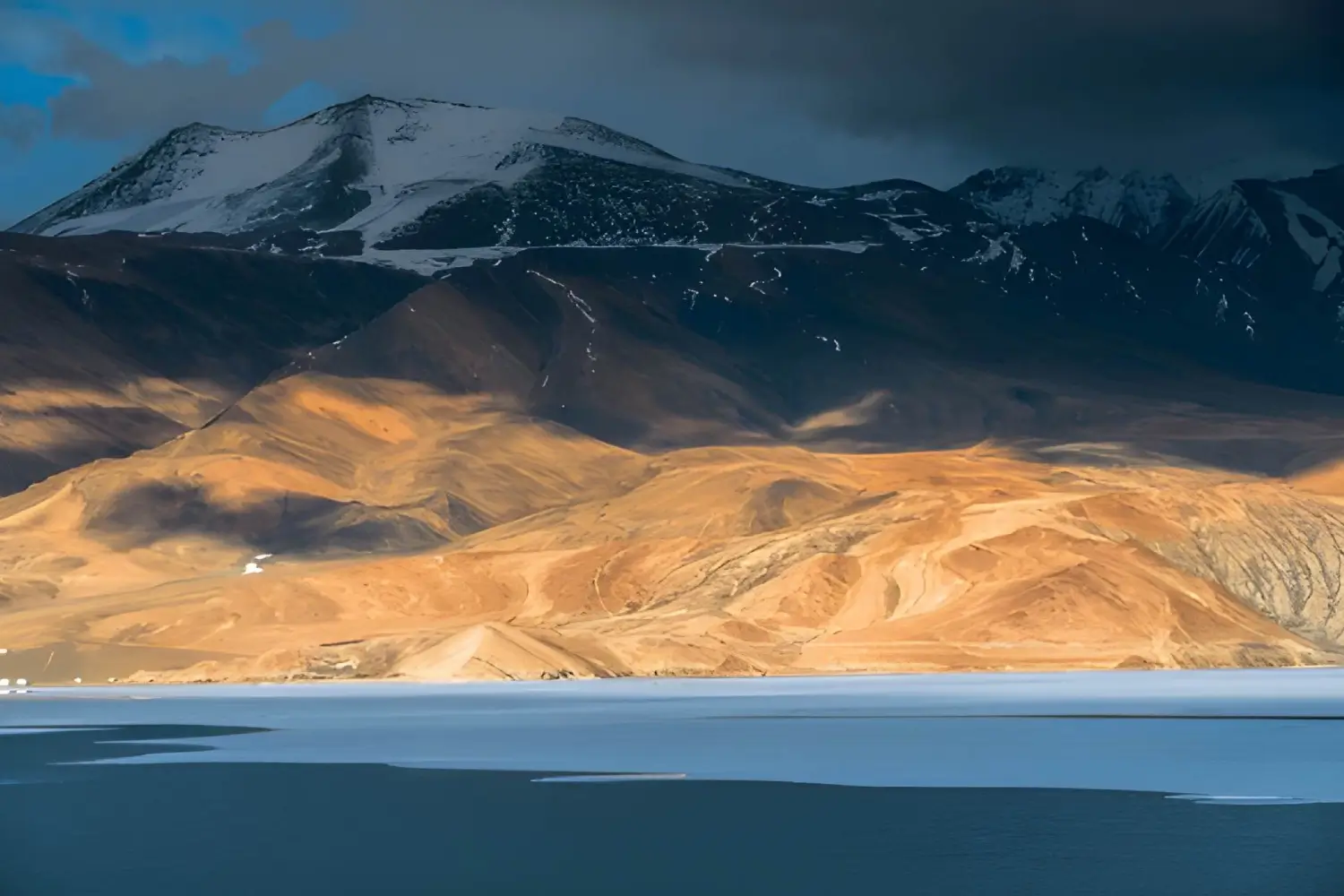
hardLocated on the Kinnaur - Spiti border, Mount Manirang (6,593 m) is one of the highest climbable peaks in Himachal Pradesh and is often hailed as the “Crown of Spiti Valley.”
Starting from $ 1435 / Per person
 moderate
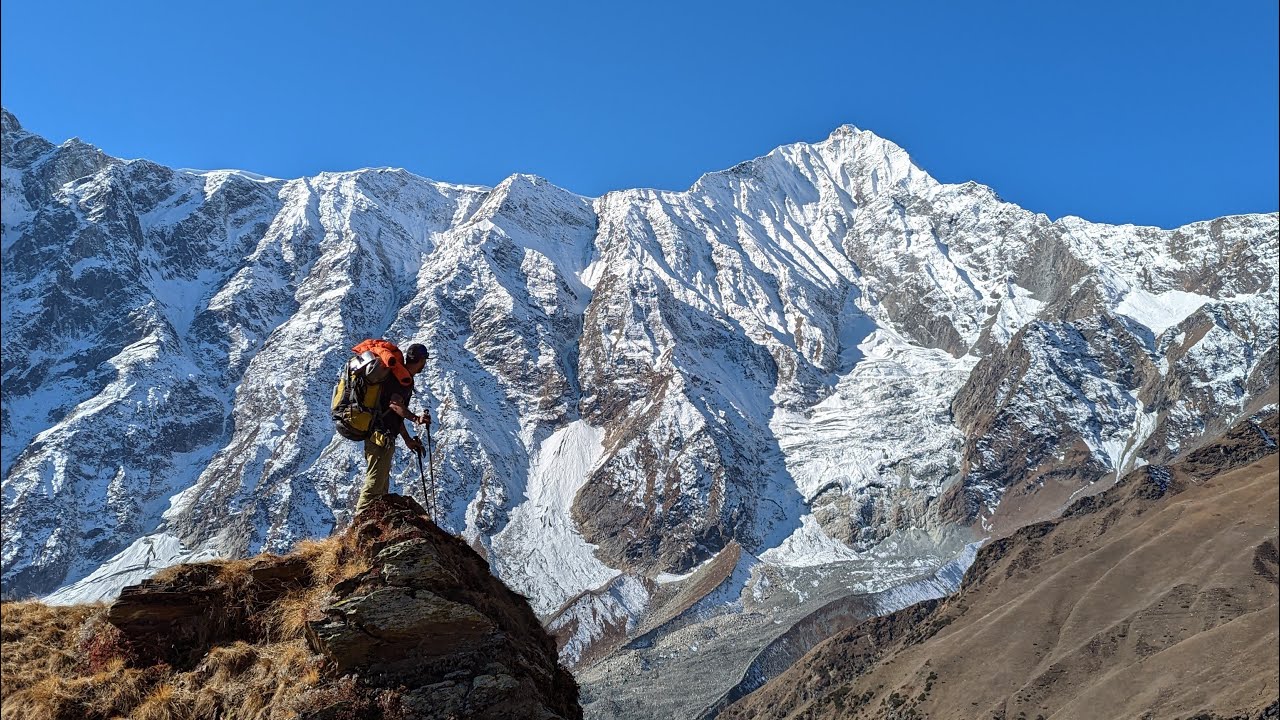
Mt. Ladakhi, standing tall at 5577 meters, is a lesser-known but incredibly rewarding Himalayan Peak, located in the Pir Panjal Range.
Starting from $ 1345 / Per person
 moderate
Mount Shitidhar, also known as the “White Peak,” offers a perfect introduction to peak climbing in the Indian Himalayas.
Starting from $ 1350 / Per person