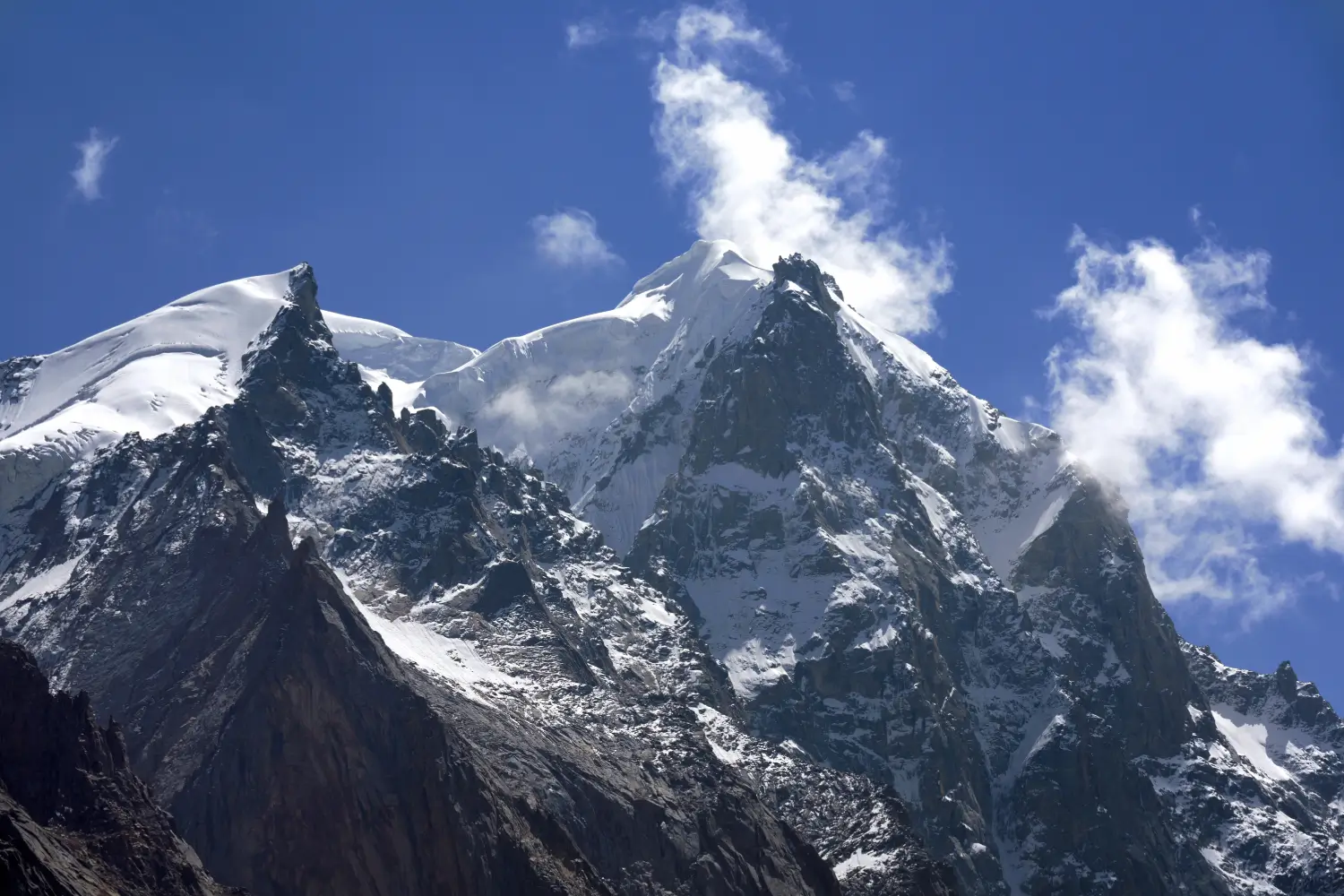
Friendship Peak Expedition, Himachal
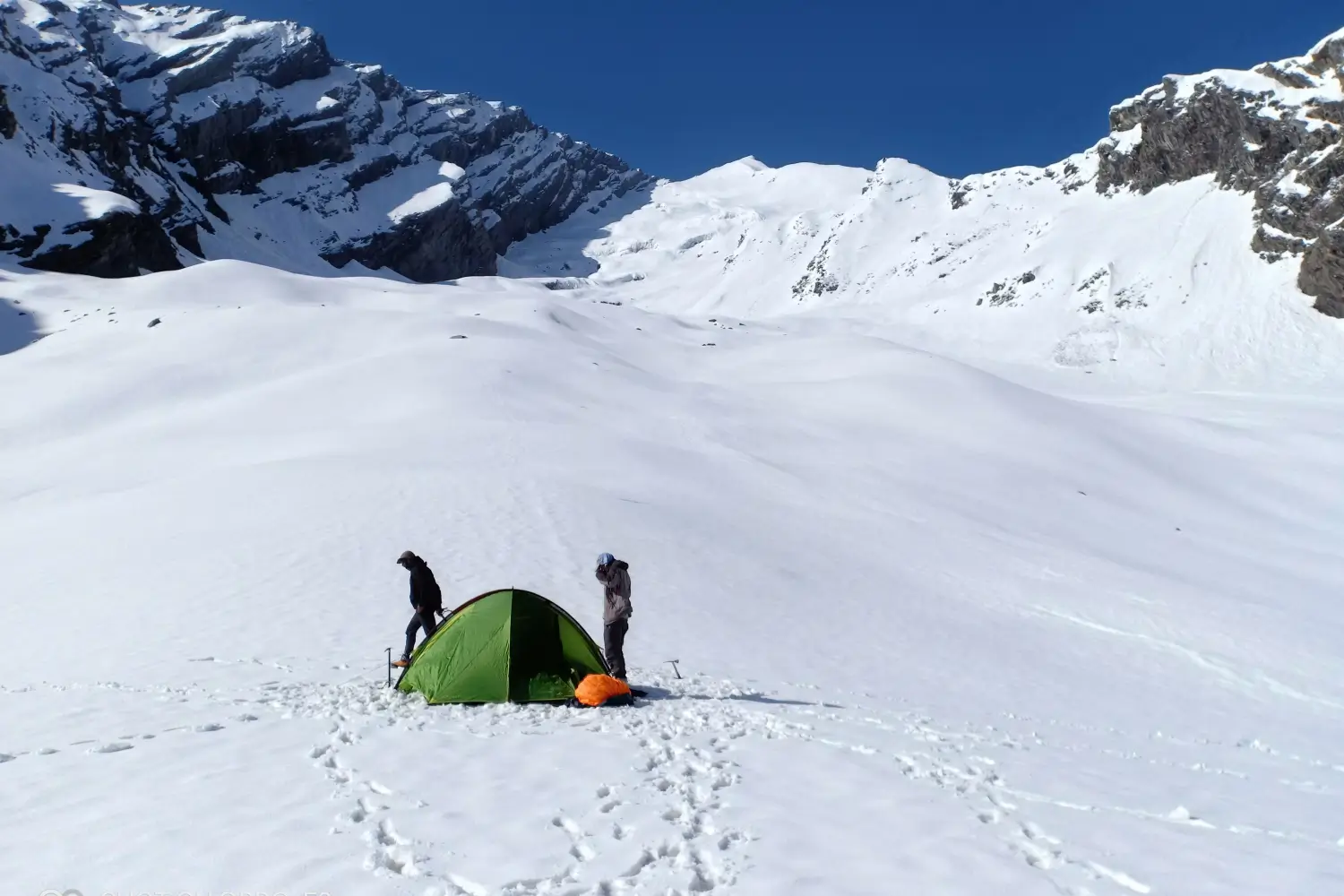
Located in the Pir Panjal Range of Kullu Valley, Friendship Peak (5,289 m) offers an ideal introduction to high-altitude mountaineering, perfect for fit first-timers and experienced trekkers alike. Despite being classified as a trekking peak in India by the IMF, this expedition in Himachal Pradesh is no easy feat. This 6000er is steep and has snow-laden slopes, freezing temperatures, and unpredictable weather demand solid fitness, basic mountaineering skills, and high-altitude experience. From roping up and using an ice axe to navigating through deep snow and pitching tents in cold, exposed conditions, every step is a learning curve.
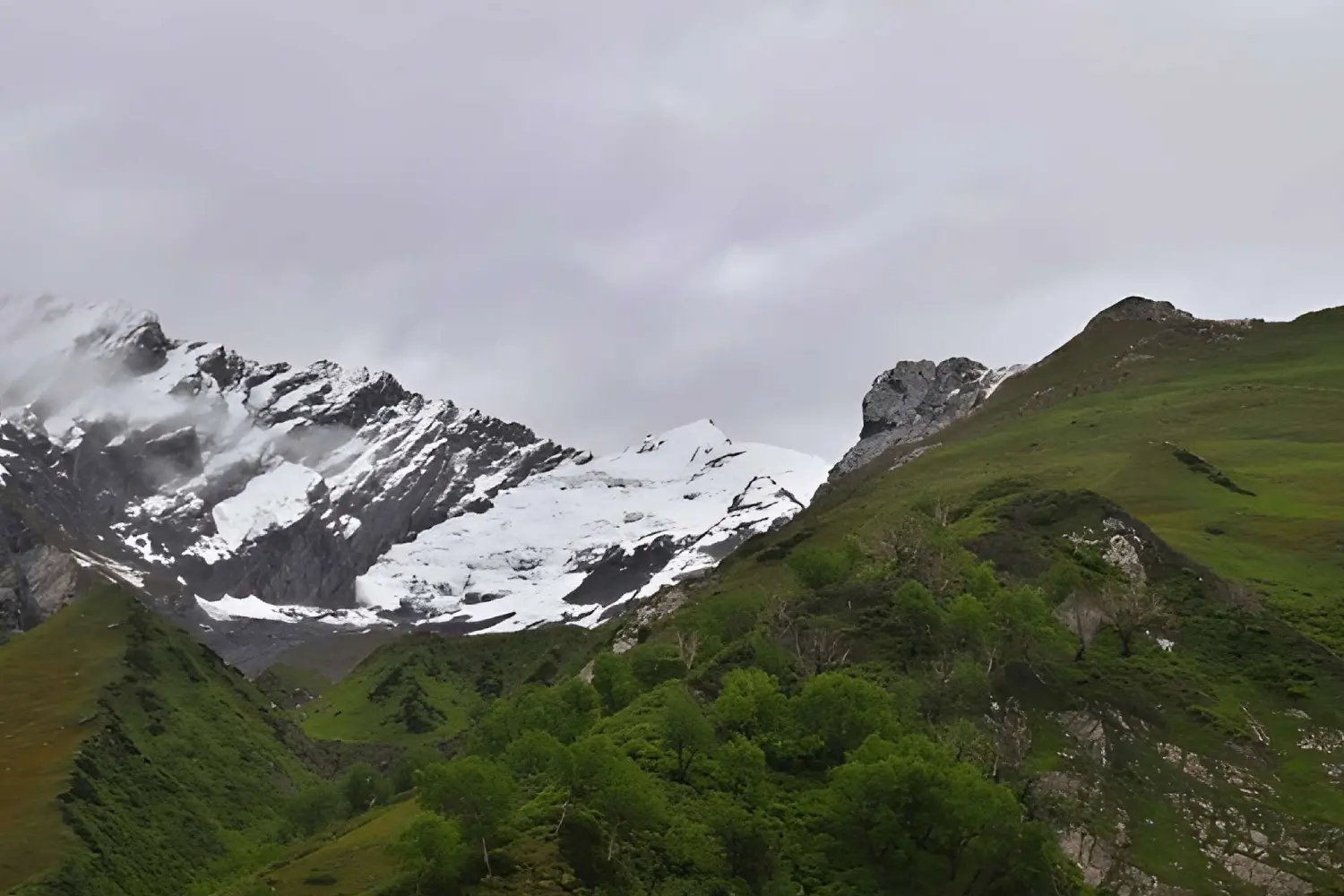
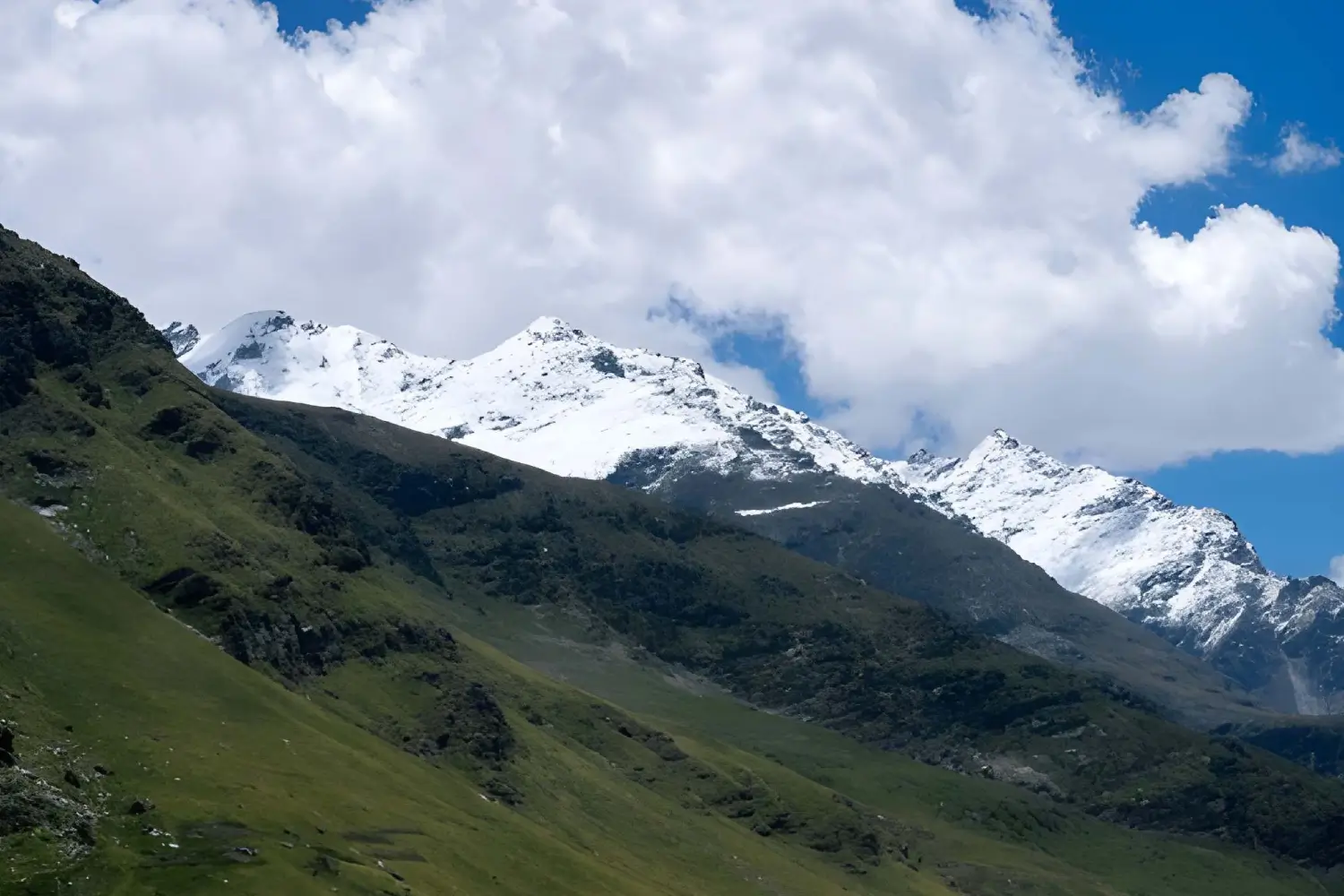
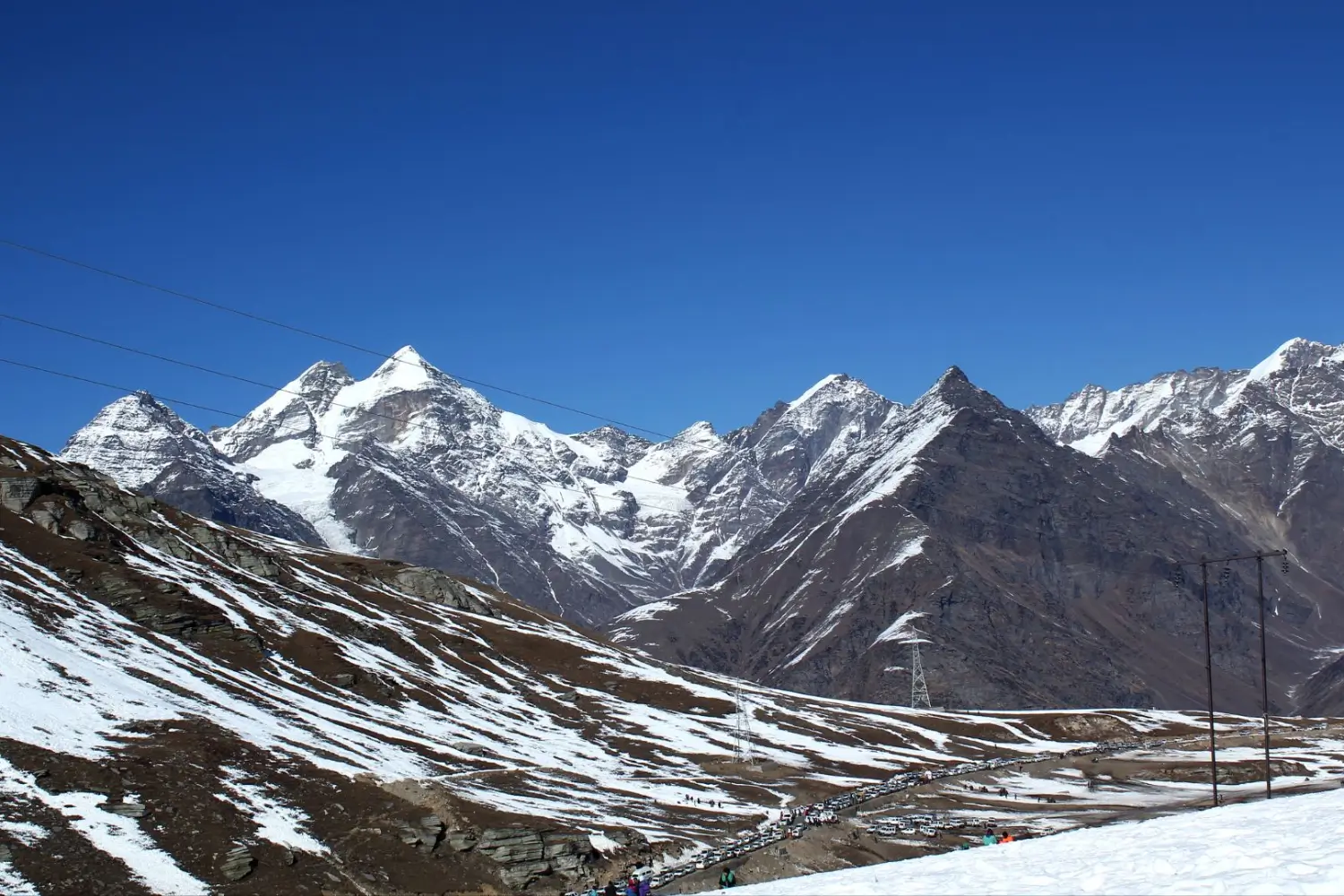
Spanning 34 km, the expedition to Friendship Peak is filled with stunning visuals. The journey starts in Manali, followed by a scenic drive to Solang Nala, the trailhead. From here, the route leads through dense pine forests and alpine meadows to reach Dhundi, then ascends to the beautiful high-altitude meadow of Bakarthach. Beyond Bakarthach, the trail becomes steeper and more rugged as it leads to the final campsite, Lady Leg (approx. 4,800m), which serves as the Base Camp for the summit push.
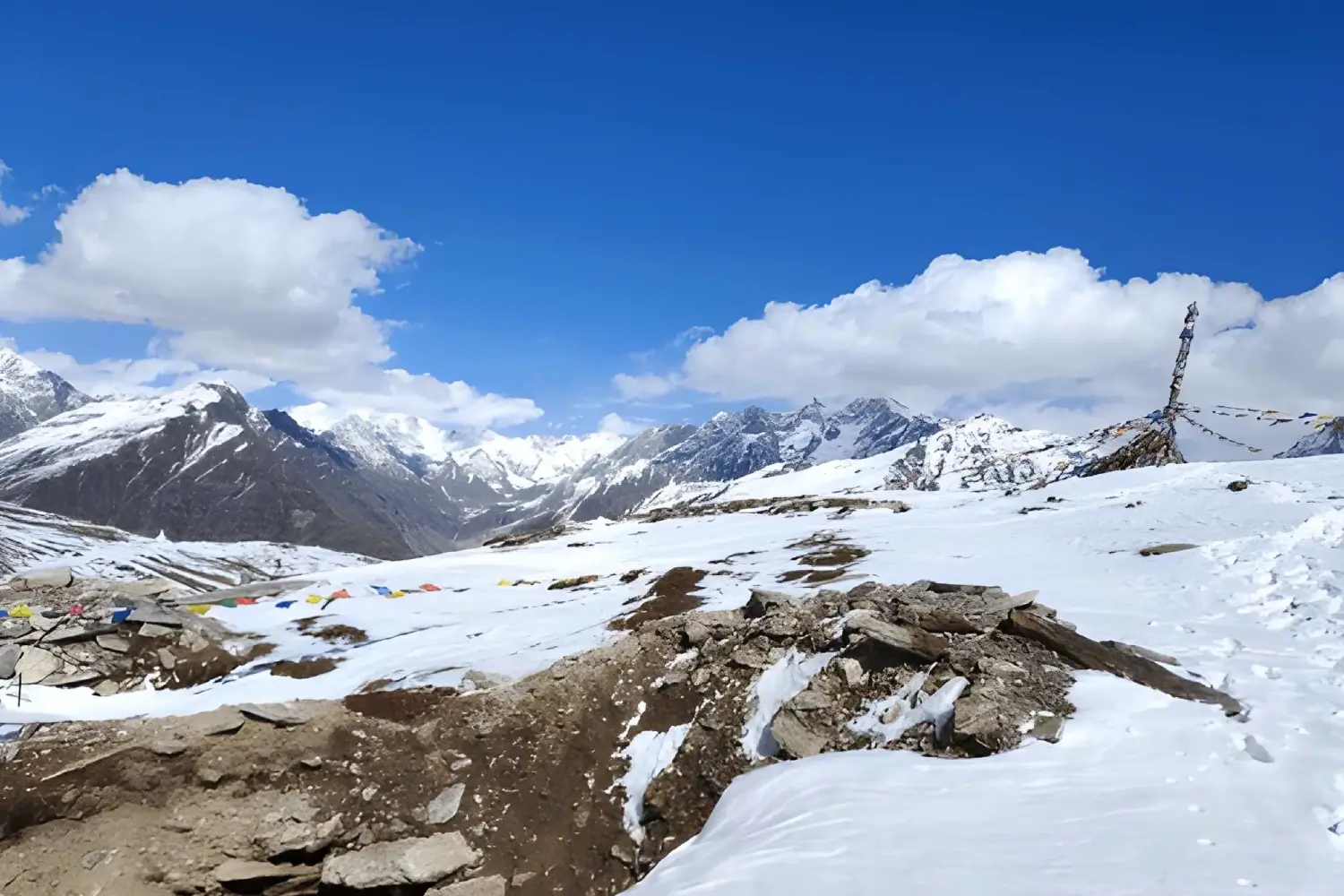
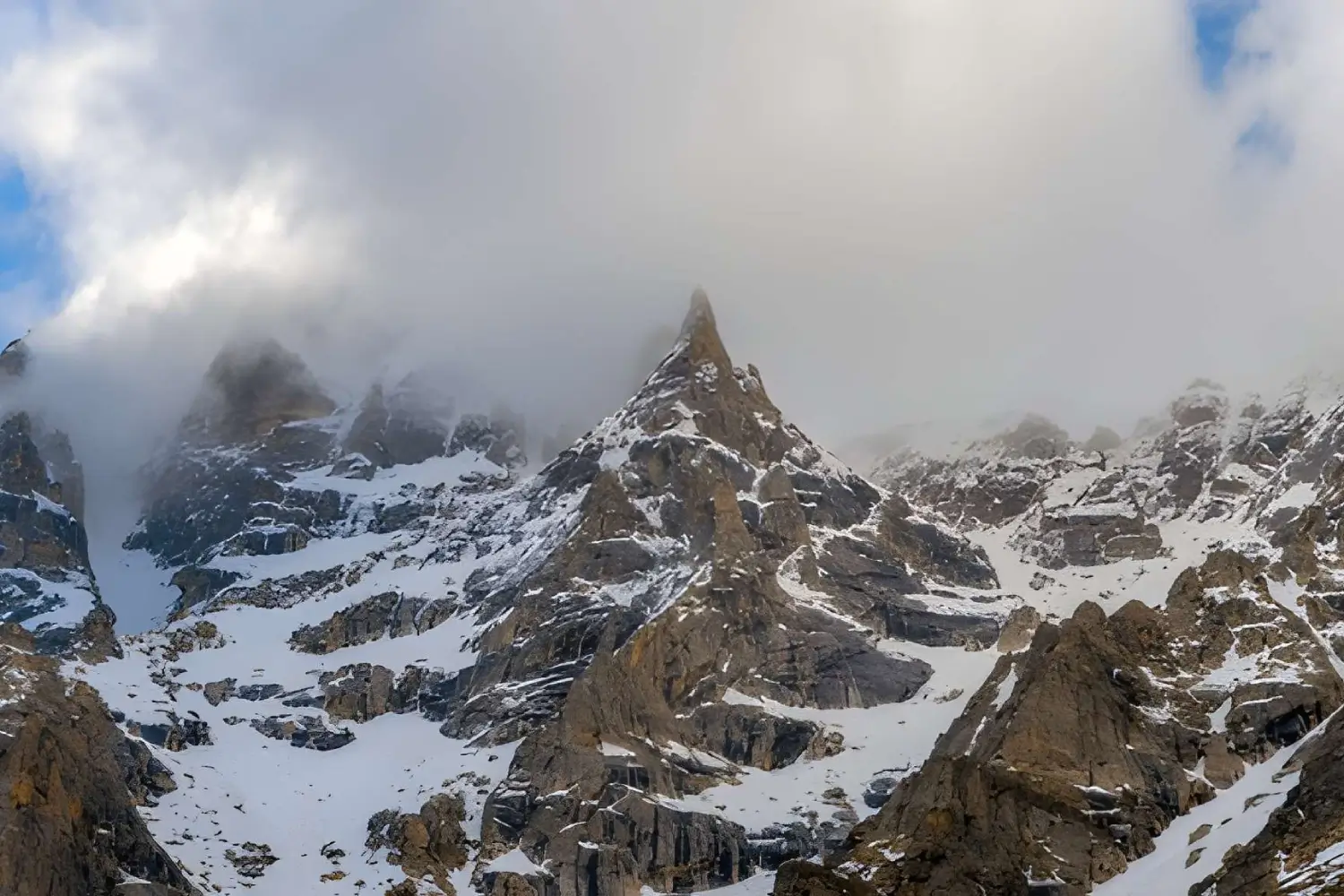
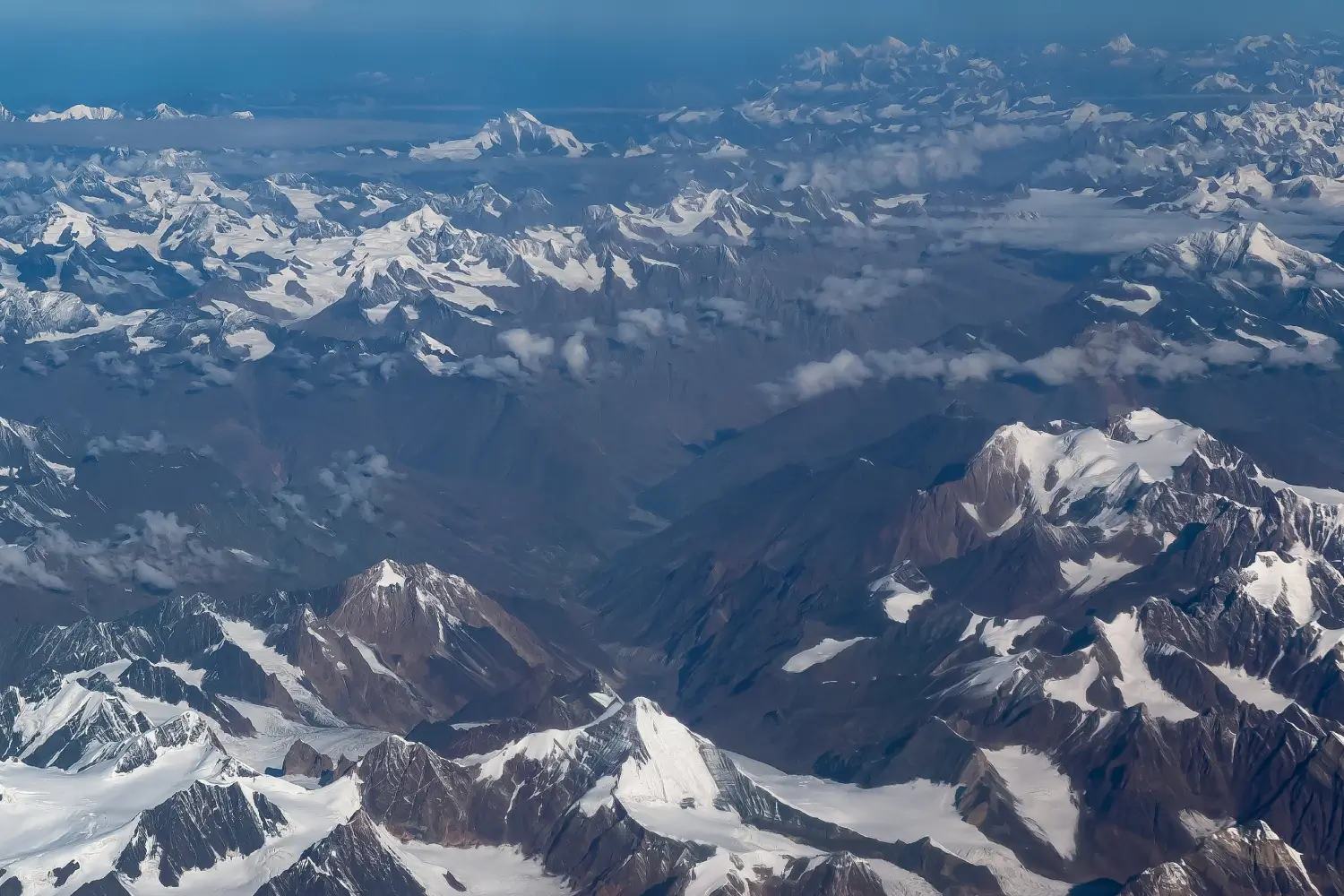
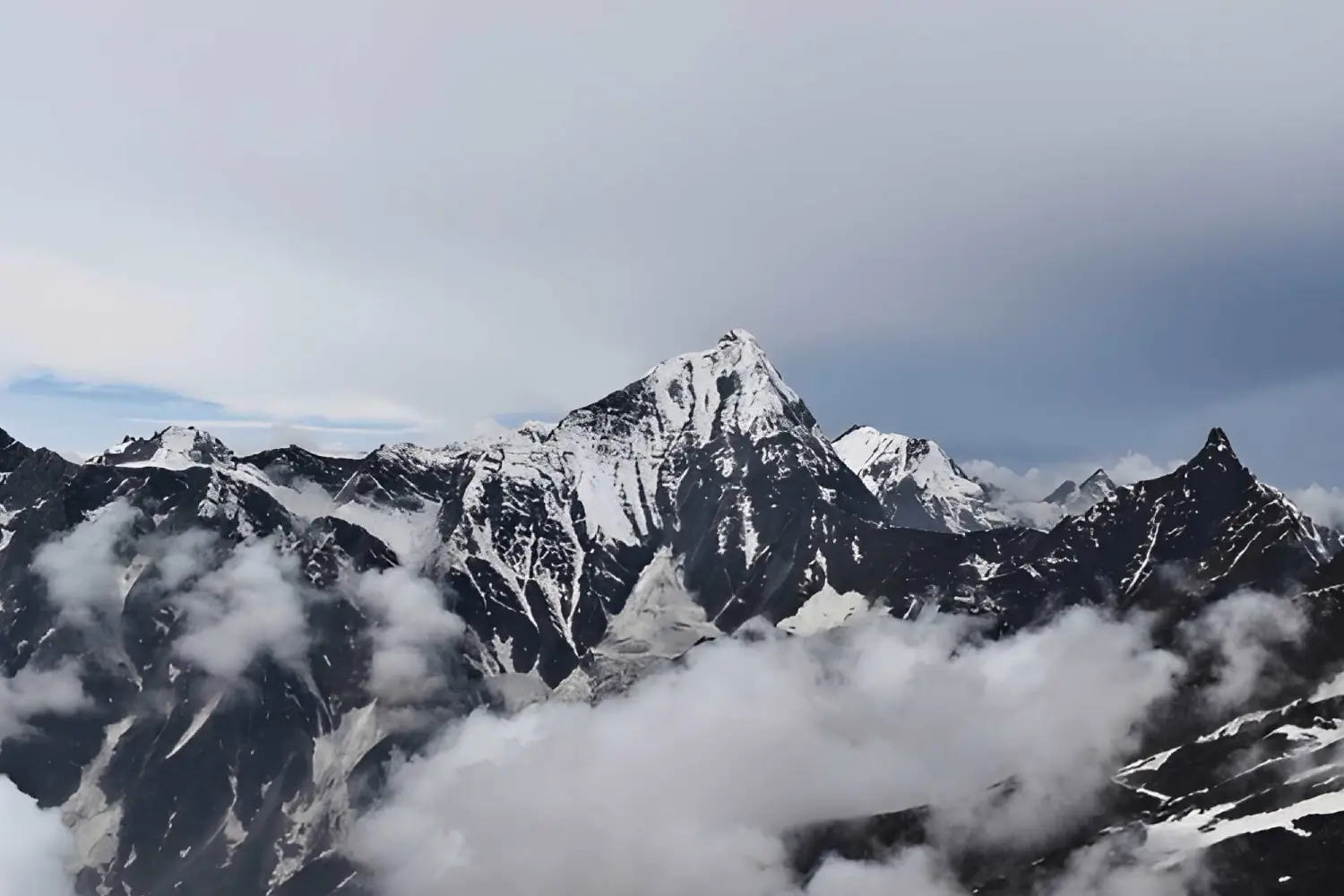
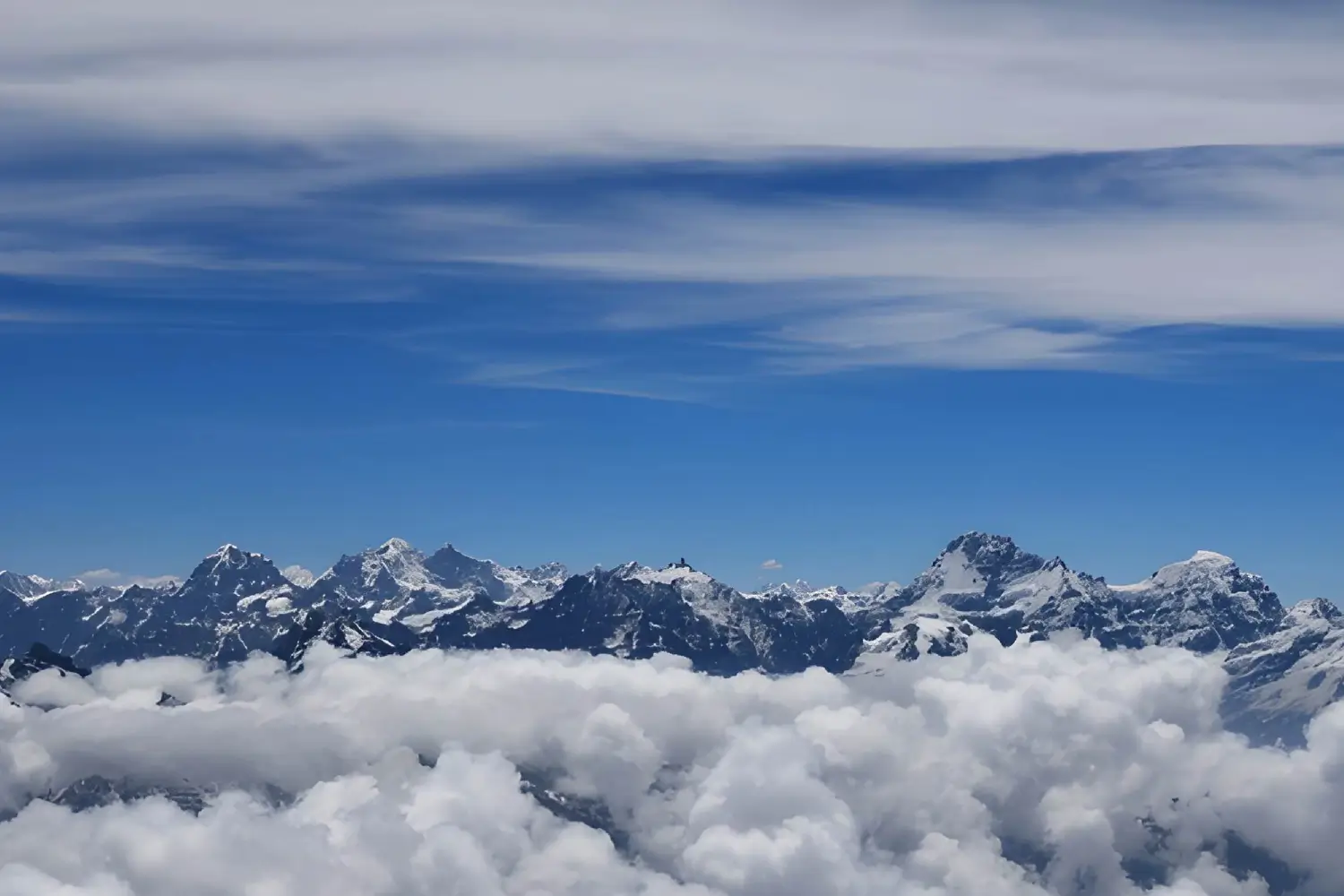
On summit day, climbers traverse steep snowy terrain to reach the summit. Though non-technical, the climb requires stamina, acclimatization, and mental grit. From the top, the views are spectacular as one can witness Hanuman Tibba (5,982 m), Deo Tibba (6,001 m), Indrasan (6,221 m), and the Seven Sisters range stretching out in all directions. After summiting, trekkers descend to Lady Leg and return via Bakarthach and Dhundi, completing one of North India's most scenic and rewarding treks.
Highlights of the Friendship Peak Expedition
- The first and foremost important requisite is building up your physical and mental fitness. Trekking in Ladakh requires endless walking and hiking at times. Without a physical stamina, a trek in Ladakh is out of question.
- The second most important point is to get yourselves medically examined to make sure you are fit enough to access great mountain heights. Most trekking routes in Ladakh start from a height of around 3500 metres above sea level and needless to say, at greater heights thickness of air can result in acute mountain sickness. So, be sure you don't have any sort of asthmatic and cardiac problems.
- Getting required permits from different authorities before commencing with your trek is the third most important requisite. For accessing Tso-Moriri, Hemis National Park and Stok-Kangri peaks, these permissions are of utmost importance.
- Stand atop Friendship Peak (5,289 m) and soak in breathtaking 360° views of Himalayan giants like Hanuman Tibba (5,982 m), Deo Tibba (6,001 m), and Indrasan (6,221 m).
- Spot rare Himalayan wildlife: Himalayan Monal, Yellow-billed Blue Magpie, Musk Deer, and Himalayan Tahr, roaming freely around Dhundi and Bakarthach.
- Experience dramatic ecological shift from lush pine forests and rocky moraines to icy glaciers and frozen gorges
Fitness Requirements for Friendship Peak Expedition
As one of the best treks in North India, Friendship Peak demands serious preparation. To join this trekking expedition, trekkers must meet the following fitness criteria.
- Good physical fitness is mandatory for this high-altitude expedition
- Ability to jog 5 km in 30 minutes without exhaustion or jog 10 km in 70 minutes without stress
- Should comfortably carry a backpack weighing 10 - 12 kg during the trek
- If opting for offloading, should still carry a 3 - 5 kg daypack
- Body Mass Index (BMI) must fall in the 18 - 26 range
- Prior high-altitude trekking experience is preferred
- Mental preparedness, endurance, and commitment to training are crucial for summit success
How to Prepare for Friendship Peak Expedition?
Begin training at least 3 months in advance for the best endurance and adjustment.
- Include stair climbing or uphill walking. Start with 15 minutes and increase to 50 minutes with breaks.
- Practice jogging regularly. Work up to covering 5 km in 30 minutes.
Add strength training:
- Push-ups : Start with 10 sets of 3 reps and build up to 25 sets of 4 reps
- Squats : Start with 10 sets of 3 reps and build up to 25 sets of 3 reps.
- Crunches : Progress from 10 sets of 2 reps to 20 sets of 3 reps.
- Cover up to 20 km in 55 minutes to improve stamina and leg strength.
- Plan alternate training days like Day 1, 3, and 5 for strength, Day 2, 4, and 6 for cardio.
- Practice carrying a backpack with a gradual weight increase. Start at 3 to 5 kg and build up to 10 to 12 kg.
- Stay hydrated and maintain a balanced, high-protein diet throughout training.
- Simulate trek conditions by walking on inclined terrain or natural trails.
Quick Facts
- Location : Kullu Valley, Himachal Pradesh
- Maximum Altitude : 5,289 meters / 17,346 feet
- Grade : Hard
- Trek Distance : 34 km (approx.)
- Best Time for Expedition : May - Mid July and September and October
- Starting and Ending Points : Manali
Request Booking for This Peak Climbing Expedition in the Himalayas
For a detailed itinerary, expedition plan, and pricing, click the “Book” button below and share your requirements. We will get back to you at the earliest possible.
Related Tours
 hard
hardLocated on the Kinnaur - Spiti border, Mount Manirang (6,593 m) is one of the highest climbable peaks in Himachal Pradesh and is often hailed as the “Crown of Spiti Valley.”
Starting from $ 1435 / Per person
 moderate
Mt. Ladakhi, standing tall at 5577 meters, is a lesser-known but incredibly rewarding Himalayan Peak, located in the Pir Panjal Range.
Starting from $ 1345 / Per person
 moderate
Mount Shitidhar, also known as the “White Peak,” offers a perfect introduction to peak climbing in the Indian Himalayas.
Starting from $ 1350 / Per person