Why Trek in Monsoon Season ?
While trekking in the monsoon season in India, especially in the Himalayas, often sparks debate due to heavy rainfall, there are plenty of reasons to embrace it safely. If you plan your treks carefully and keep an eye on the weather forecast, you can have a truly rewarding Himalayan adventure.
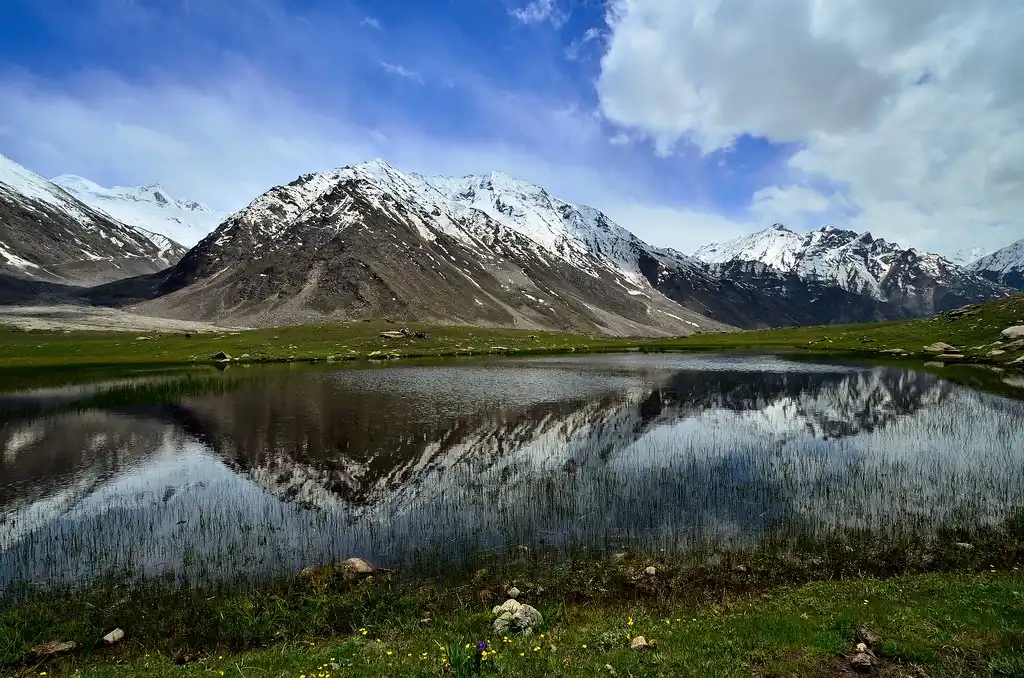
The rain-shadow regions of Ladakh, Kashmir, and Spiti Valley in Himachal Pradesh offer a unique perspective on the Indian monsoon. Ladakh and Spiti Valley showcase moonscapes and allow trekkers to explore ancient trade routes, high-altitude mountain passes, and Buddhist trails, while Kashmir challenges adventurers with its stunning alpine lake treks, such as the Kashmir Great Lake (KGL). So, while much of India is soaked in rain, these high-altitude and rain-shadow areas remain a haven for trekking.
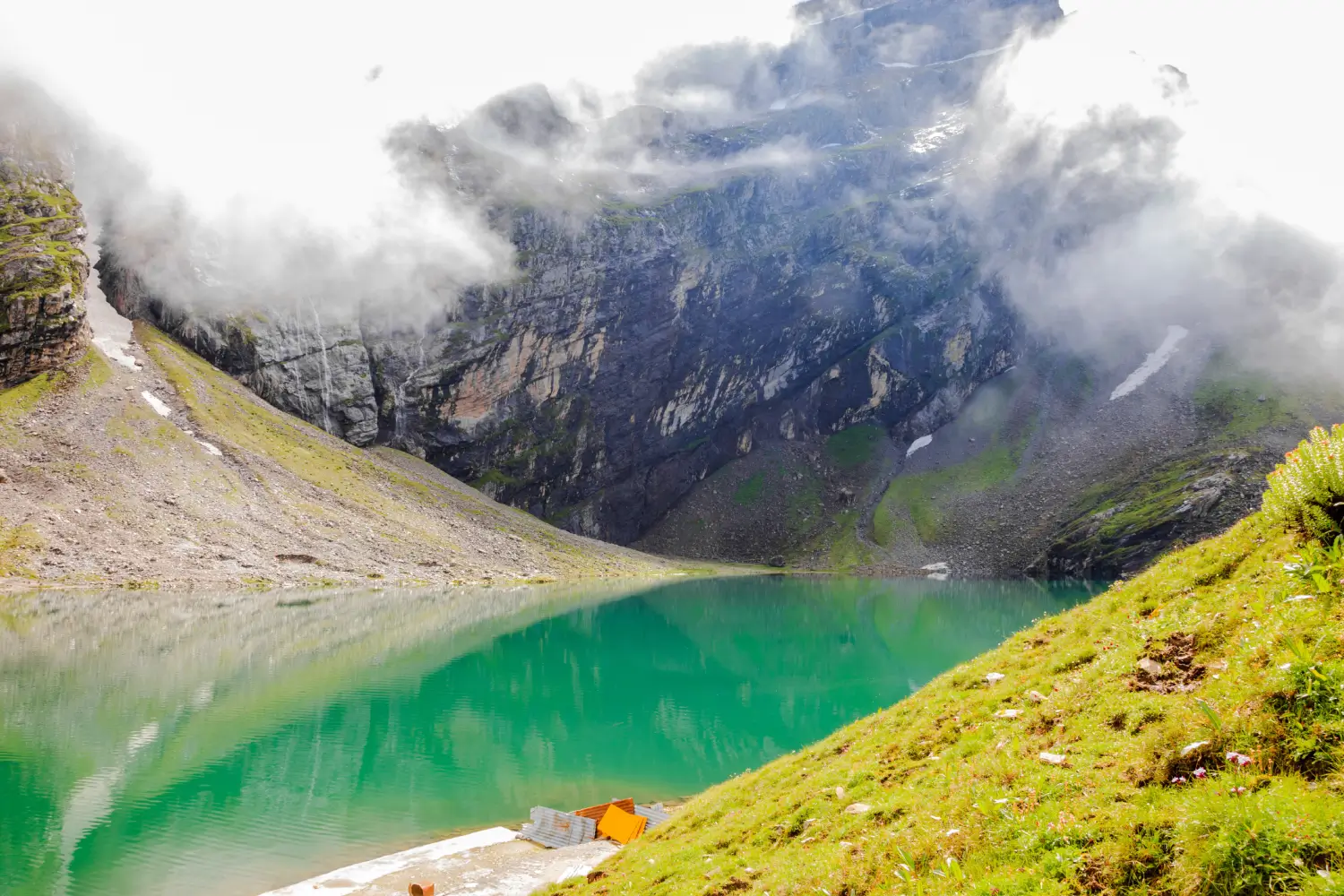
Monsoon also marks the opening of several spiritual treks in Uttarakhand and Himachal Pradesh. Pilgrimages like Hemkund Sahib, treks to sacred peaks such as Shrikhand Mahadev and Kinner Kailash in Himachal, and prominent Hindu pilgrimages like the Kedarnath, Yamunotri, and Panch Kedar treks in Uttarakhand become accessible, providing the perfect opportunity to combine spirituality with adventure during the rainy season.
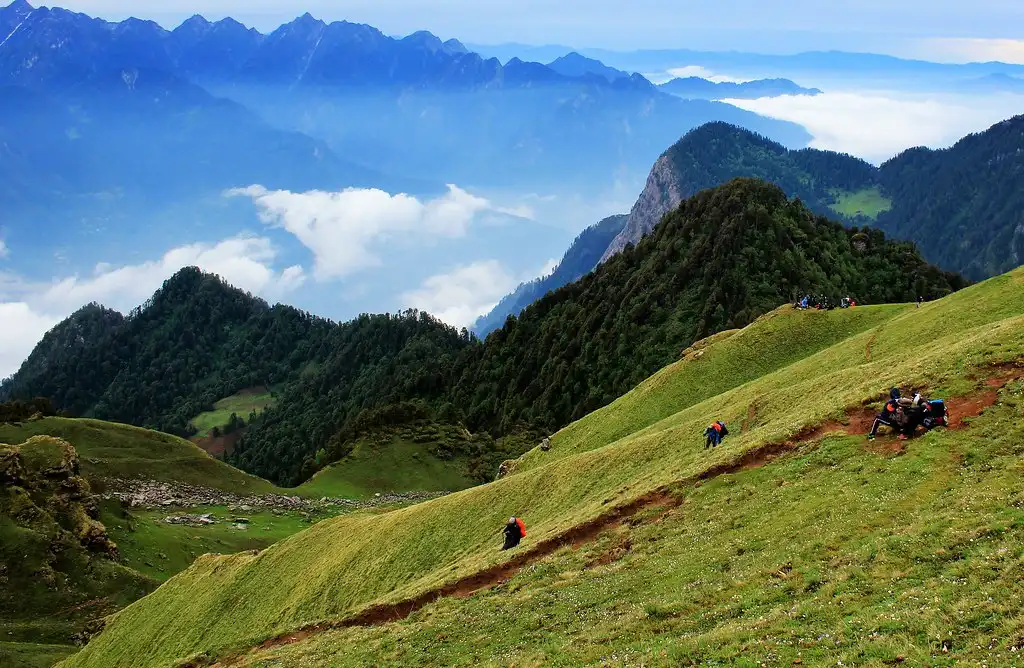
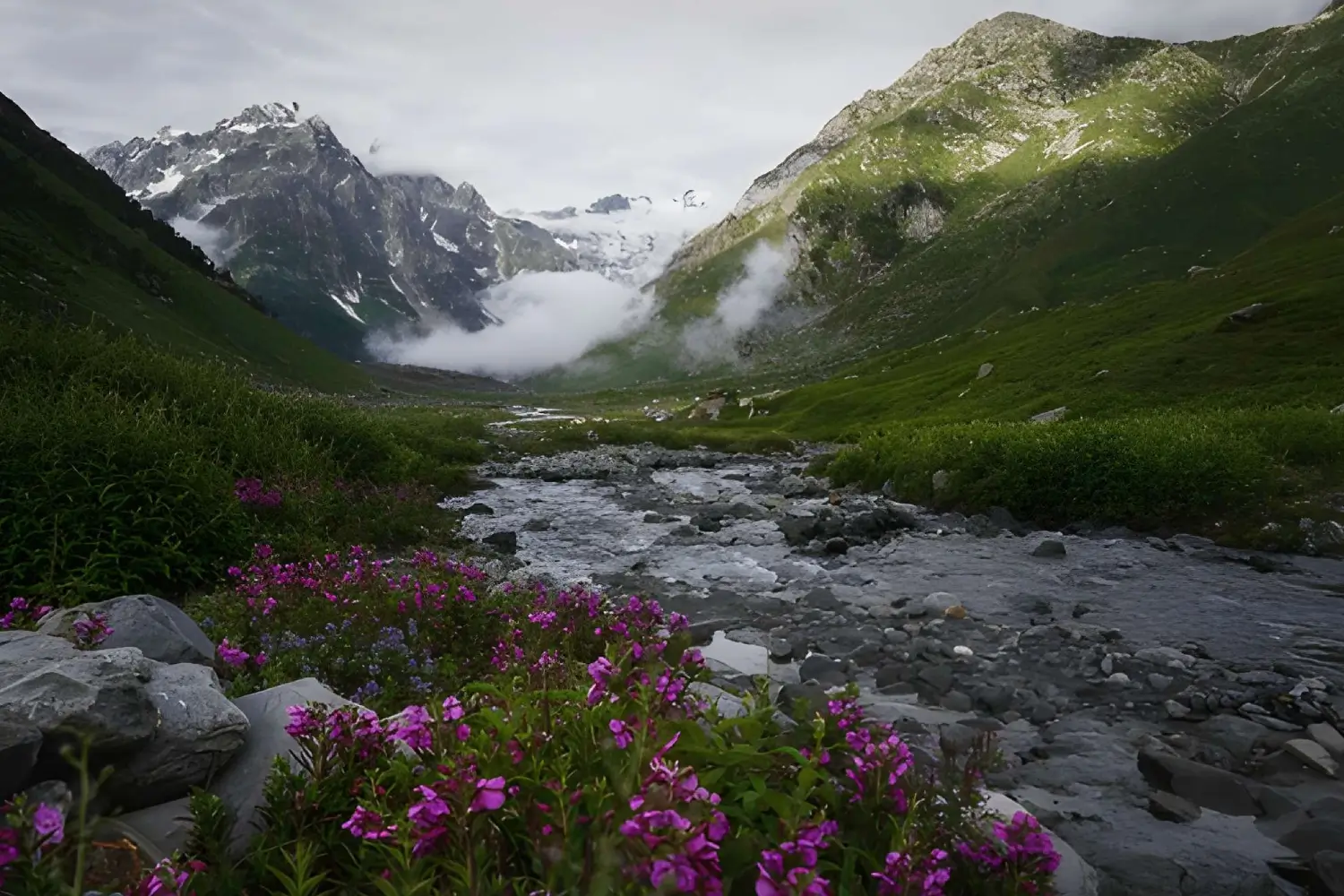
One of the biggest draws of monsoon trekking in India is the sense of exclusivity. Smaller crowds allow trekkers to relish lush valleys, flowing rivers, and blooming meadows in relative solitude. You can also enjoy monsoon-exclusive treks like the Valley of Flowers, open only from June to September, which transforms into a paradise adorned with hundreds of flower species, including the rare Brahma Kamal.
The combination of vibrant greenery, offbeat trails, and serene landscapes makes the monsoon a remarkable season for trekking in the Indian Himalayas. These treks offer a truly unique experience for those seeking something different from the usual trekking season.
Monsoon Season Weather & Climate Conditions
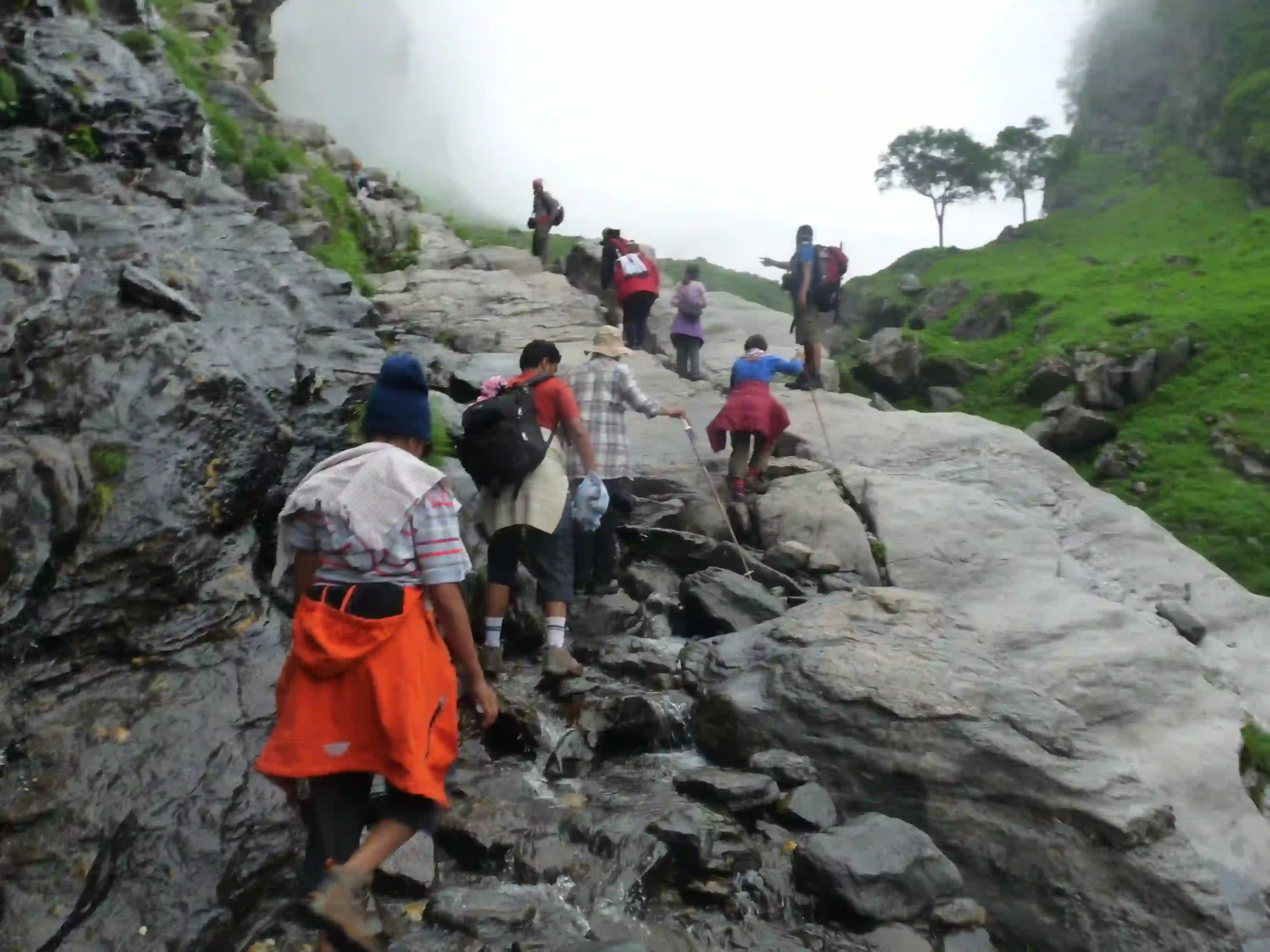
Trekking during the monsoon season presents its own unique mix of challenges and beauty. Trails can get slippery, streams can rise, and mist often covers the mountains. However, if you choose the right region, monsoon trekking can be safe and enjoyable. Always check the weather, carry suitable rain gear, and consider trekking with a local guide for added safety and peace of mind.
In Jammu & Kashmir, rainfall is lighter compared to most Himalayan areas. Temperatures range from 10°C to 20°C, and high-altitude lake treks, such as Tarsar Marsar and KGL, remain accessible. Ladakh, situated in a rain-shadow area, experiences temperatures ranging from 5°C at night to 25°C during the day, with mostly dry trails and clear skies. This is ideal for trekkers who want to avoid rain. Both Himachal Pradesh and Uttarakhand receive heavy rainfall, turning places like Hampta Pass into lush landscapes. Daytime temperatures range from 12°C to 18°C, with cooler nights.
Careful planning and flexibility allow you to enjoy the trekking in the monsoon season safely.
 moderate
 moderate
 hard
hard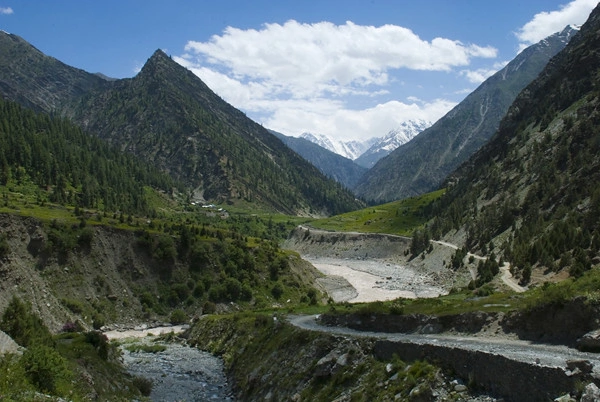 moderate
 moderate
 hard
hard