Mt. Ladakhi Expedition
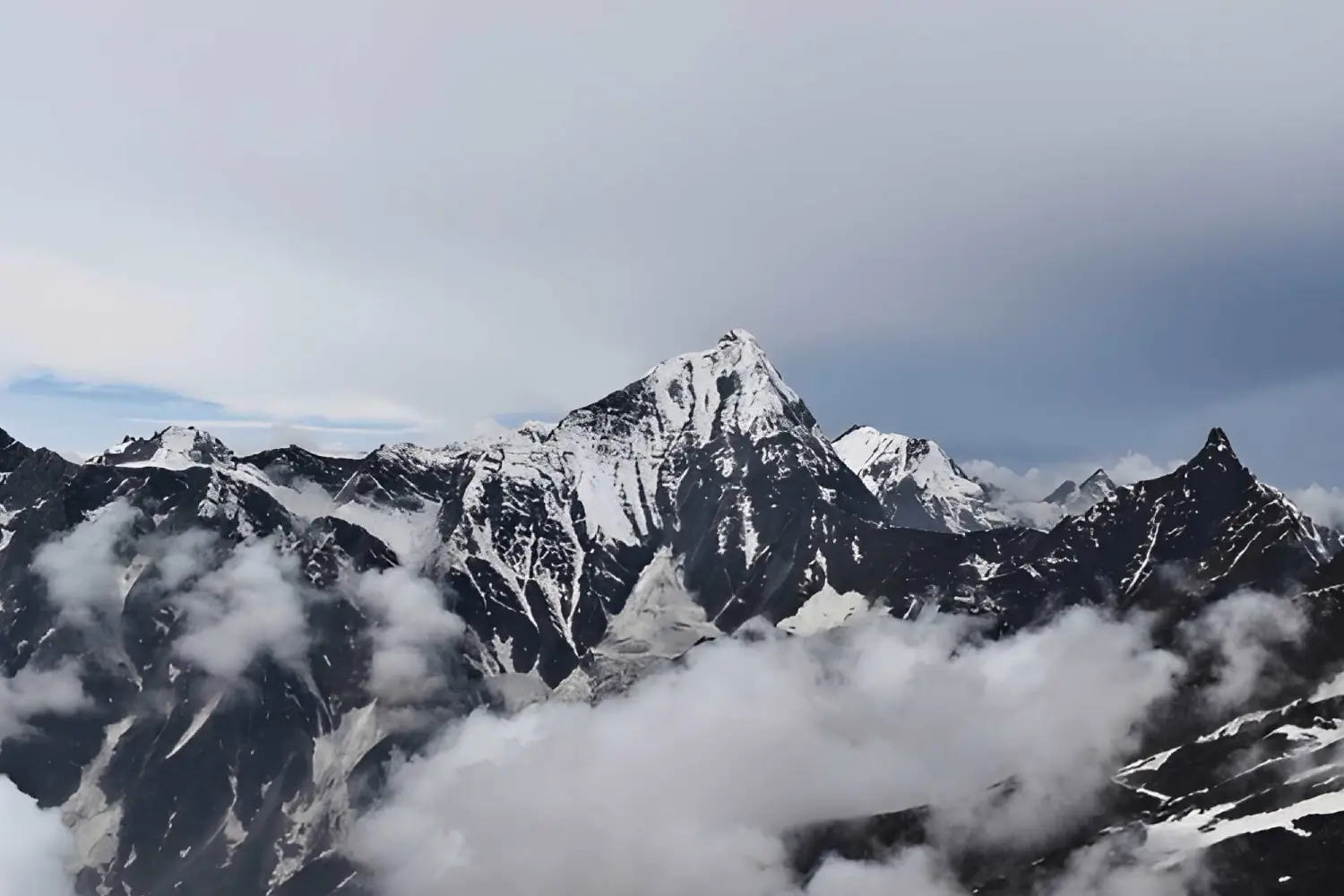
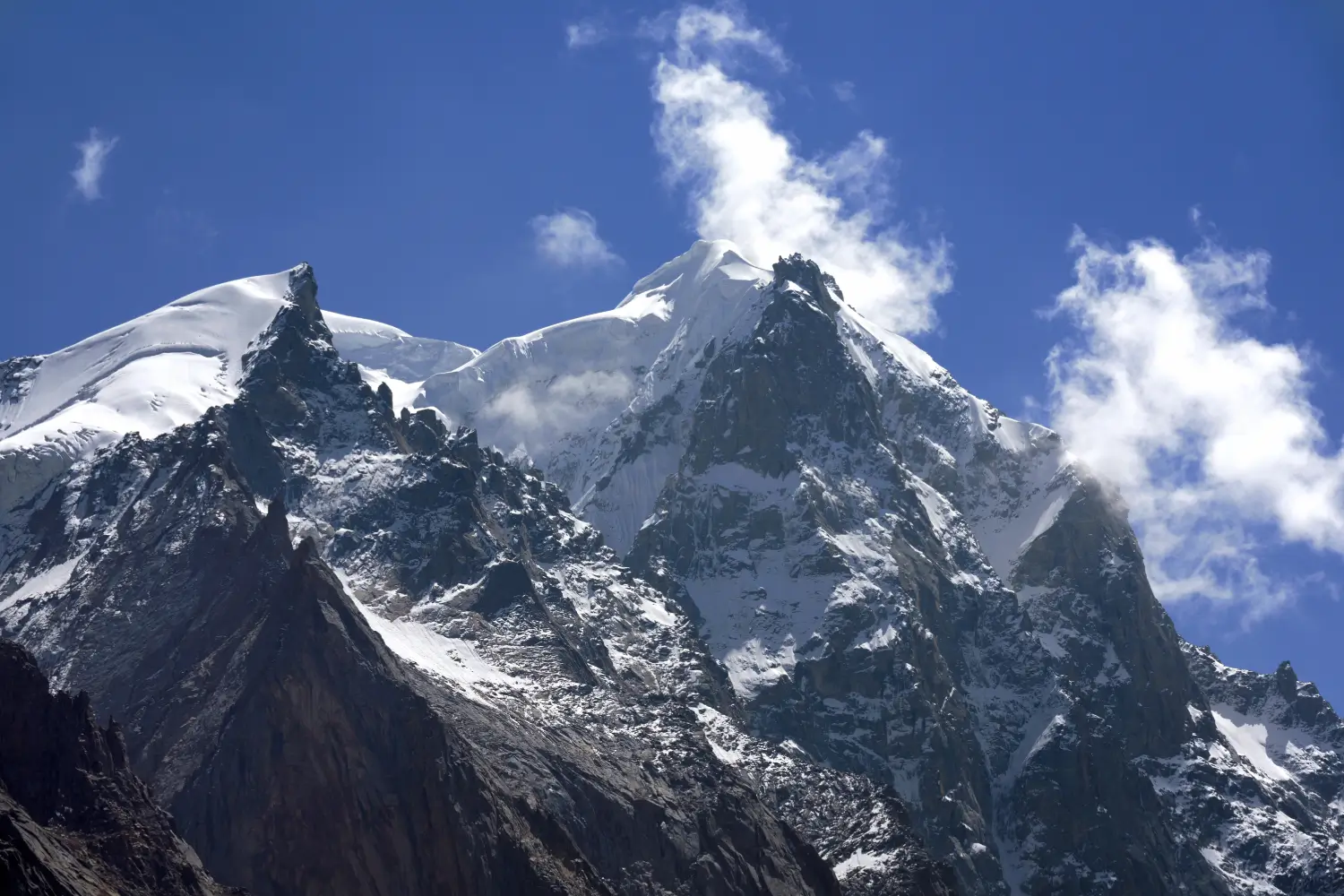
Mt. Ladakhi, standing tall at 5577 meters, is a lesser-known but incredibly rewarding Himalayan Peak, located in the Pir Panjal Range. It lies within the Jagatsukh glacier system and offers unparalleled views of the Himalayan peaks like Deo Tibba (6001 m) and Hanuman Tibba (5982 m). Though this peak climbing expedition in Himachal is not arduous, it still demands endurance, proper acclimatization, and a moderate level of technical skill, making it ideal for seasoned trekkers seeking a moderate climbing experience.
The Mt. Ladakhi expedition begins with a trek from Dhundi to Bakarthach, a vast alpine meadow that serves as the first acclimatization spot. The route to Bakarthach requires crossing the Beas River and then ascending a steep trail that opens up to an expansive meadow. The trail then gets more challenging on the way to Beas Kund, traversing through rocky terrains and moraine patches. There are numerous streams that can be seen gushing and the views of the Pir Panjal Range accompany you all along.
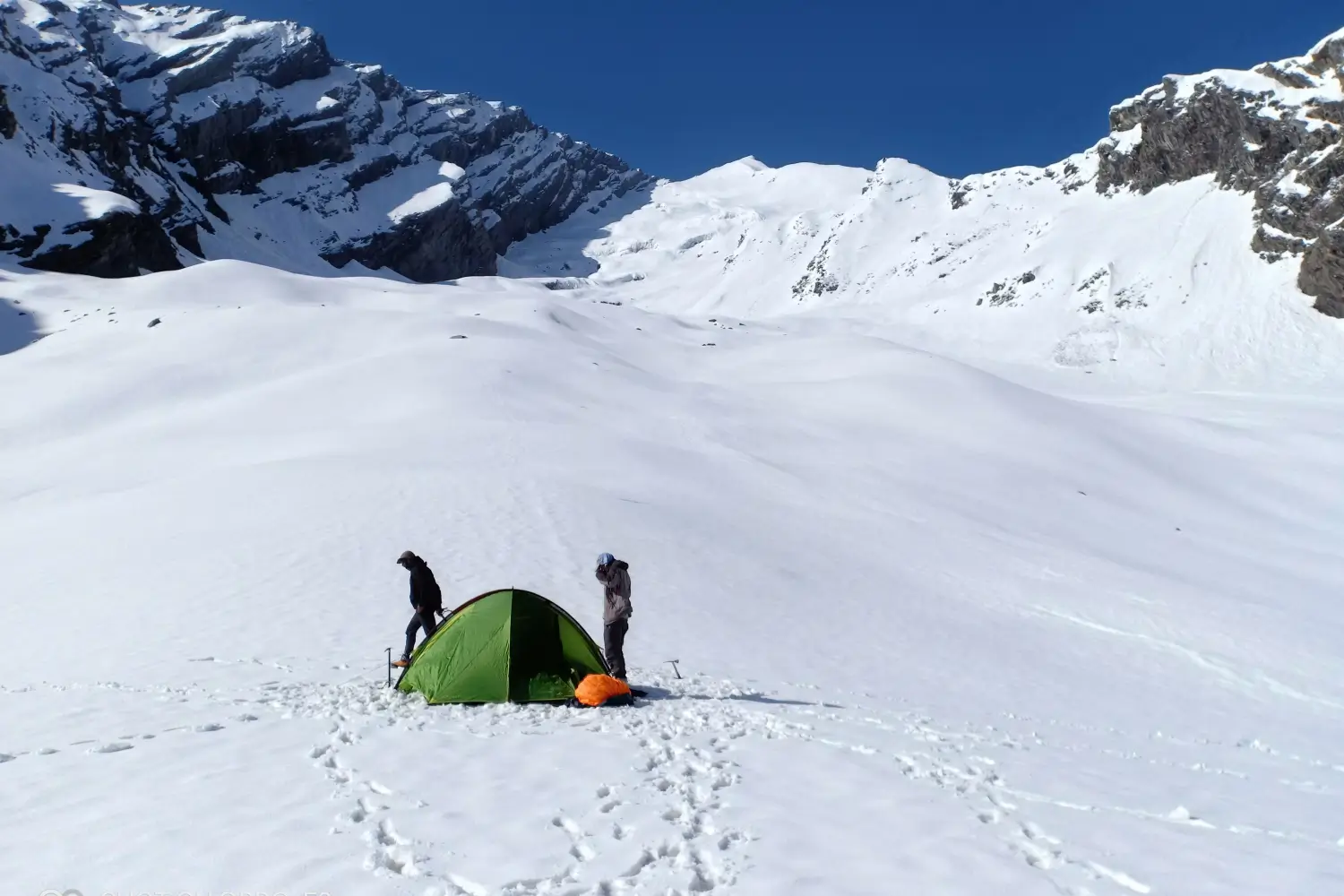
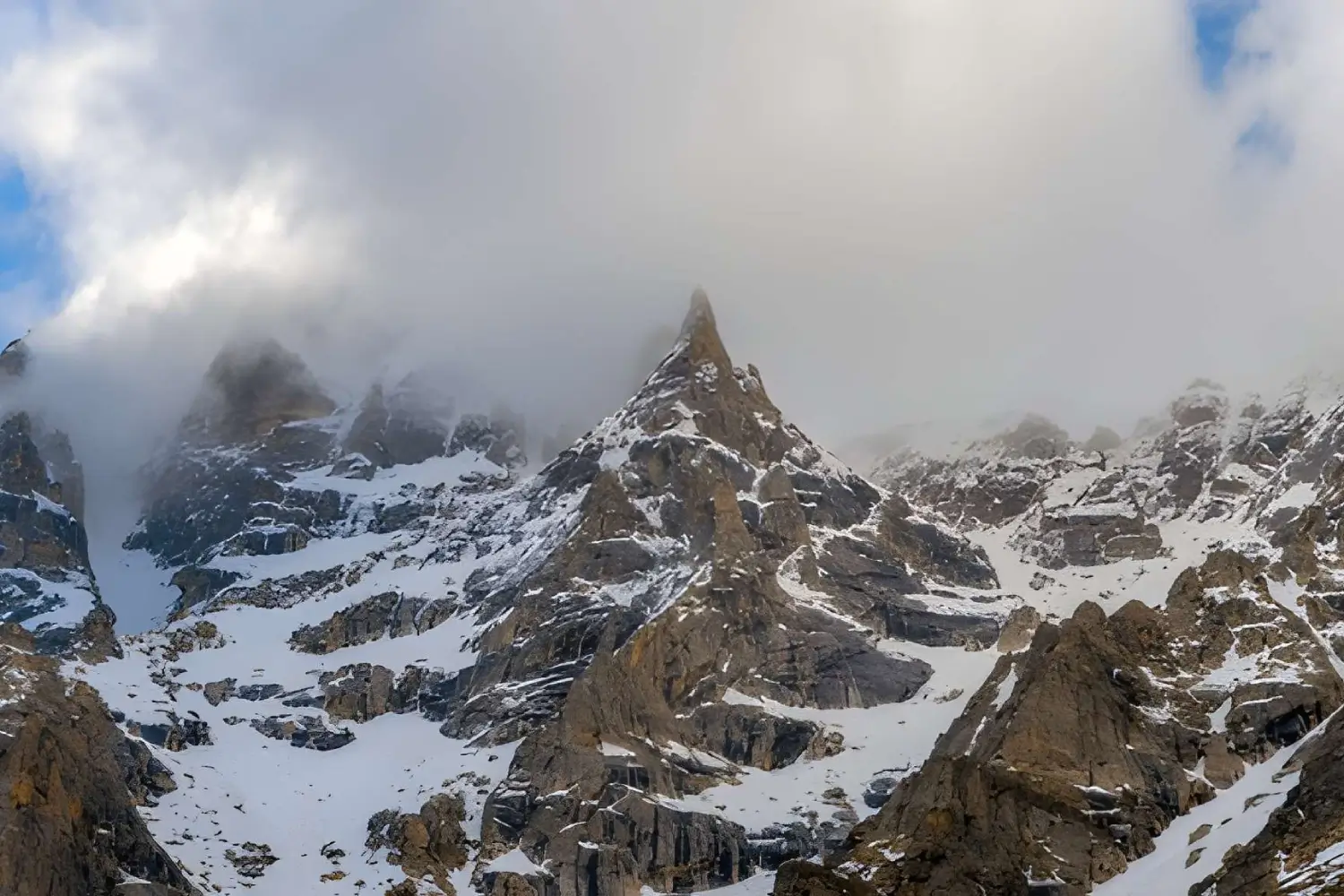
After acclimatization and switching from base camp to Camp 1 and Summit Camp, one will attempt a summit push that involves climbing moderate snow slopes, narrow ridgelines and rocky outcrops. It requires the knowledge of using various mountaineering gears such as ropes, crampons, climbing harnesses alongside having great physical and mental endurance. While the journey is exhausting, the reward is surreal with stunning views of many peaks of Pir Panjal Range and Spiti Valley.
Key Highlights of Mt. Ladakhi Expedition
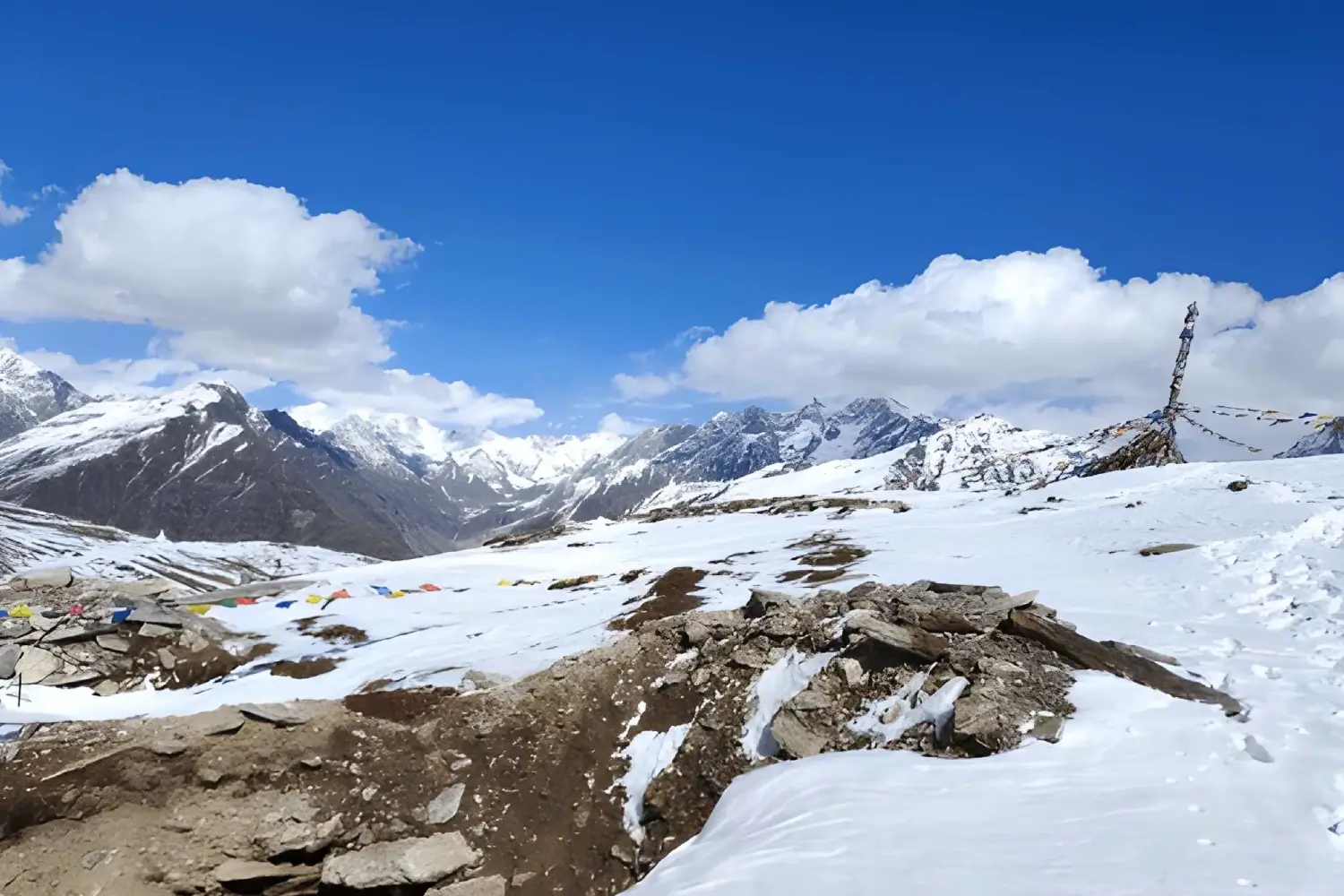
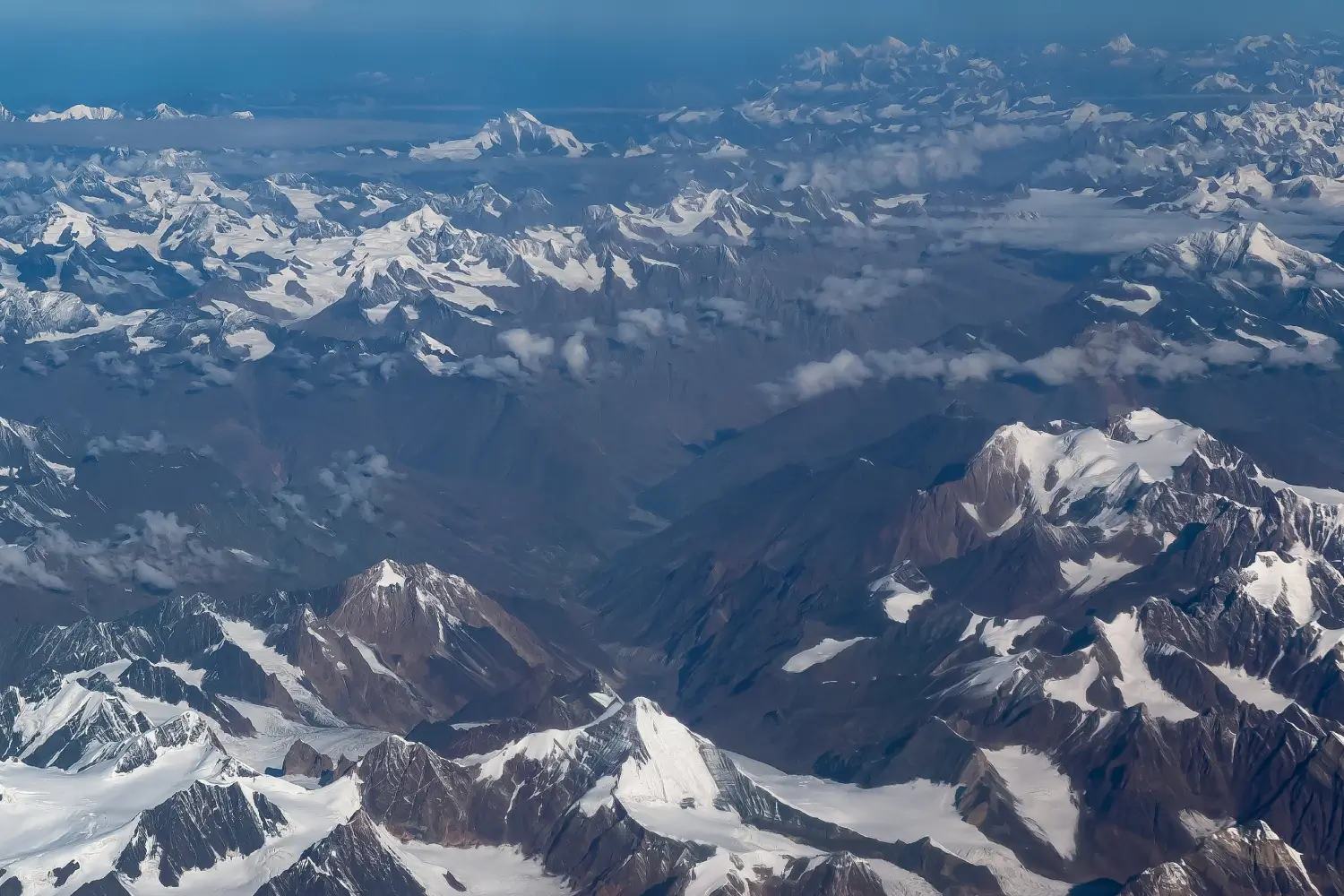
- The expedition takes you to an altitude of approximately 5577 m, offering panoramic views of Himalayan peaks like Hanuman Tibba, Seven Sisters, and Shitidhar.
- The climb involves technical sections that require the use of mountaineering gear, making it ideal for experienced trekkers seeking a challenging adventure.
- During the expedition, one will also cross Beas Kund, a pristine glacial lake believed to be the origin of the Beas River.
Required Fitness and Technical Climbing Abilities for Mt. Ladakhi Expedition
For a safe and successful completion, it is essential for the trekkers to follow a structured fitness routine at least 4 to 6 weeks prior to the Mt Ladakhi expedition.
- Excellent Levels of Physical Endurance
For trekking, especially in high-altitude regions it is essential to have excellent stamina and cardiovascular endurance.
- Proficient Mountaineering Skills
While Mt. Ladakhi is not an extremely difficult and technical summit to achieve, but it still requires expertise in handling a few mountaineering gears like ropes, crampons, harnesses and ice-axes.
- Heightened Cardiovascular Endurance
Due to depleted levels of oxygen in high-altitude regions, it is crucial to have excellent lung capacity and cardiovascular activity to manage physical exertion.
- Muscle Strength
Strong upper body muscles and core muscles are required to maintain proper balance while ascending to, as well as descending from the summit. Strong muscles help in effectively handling heavy backpack and mountaineering gears while maintaining balance.
- Emotional Resilience and Perseverance
It is important to stay calm and composed during unfavorable situations that could arise from unpredictable weather and strenuous physical activity. High - altitude peak climbing expeditions test emotional resilience alongside testing physical abilities.
- Altitude Acclimatization
To minimize the likelihood of experiencing severe high-altitude sickness, mid - journey, it is preferable for the trekkers to have previous trekking experience.
- Overall Well - being
It is crucial to ensure the overall well - being before participating in the trek, a thorough physical and mental health evaluation is recommended.
Preparatory Tips for Mt. Ladakhi Expedition
Conquering the peak of Mt. Ladakhi is a very rewarding experience for aspiring mountaineers and stands out as one of the best expeditions in Himachal Pradesh. It is also essential to remember that embarking on these journeys cannot be fueled only with passion but also require proper carrier planning.
- Start training 2 or 3 months early with hiking, running, or stair climbing while carrying a 10 to 15 kg backpack. Aim for 3 to 4 weekly workouts to tackle the 6 km trek to Base Camp and long summit days.
- Join a mountaineering course or practice with a climbing group to master the skills needed for this technical climb.
- Do cardio exercises like cycling, swimming, or brisk walking for 30 to 60 minutes, 4 to 5 times a week, to prepare for low - oxygen conditions at high altitudes.
- Hike at elevations above 3000 meters, if possible, to adapt to thinner air.
- Daily deep - breathing exercises can also help prepare for high - altitude challenges.
- Build resilience by visualizing the climb and practicing staying calm in high-pressure situations. Unpredictable weather and tough terrain demand a strong mindset.
- Visit a doctor to rule out any potential heart or lung issues.
Quick Facts
- Location : Manali, Himachal Pradesh
- Altitude : 5577 meters
- Grade : Moderate / Technical
- Number of Days : 10 Days
- Best Time for Expedition : April to June and September to October
- Base Point / Starting and Ending Points : Beas Kund
Request Booking for This Peak Climbing Expedition in the Himalayas
For a detailed itinerary, expedition plan, and pricing, click the “Book” button below and share your requirements. We will get back to you at the earliest possible.
Related Tours
 hard
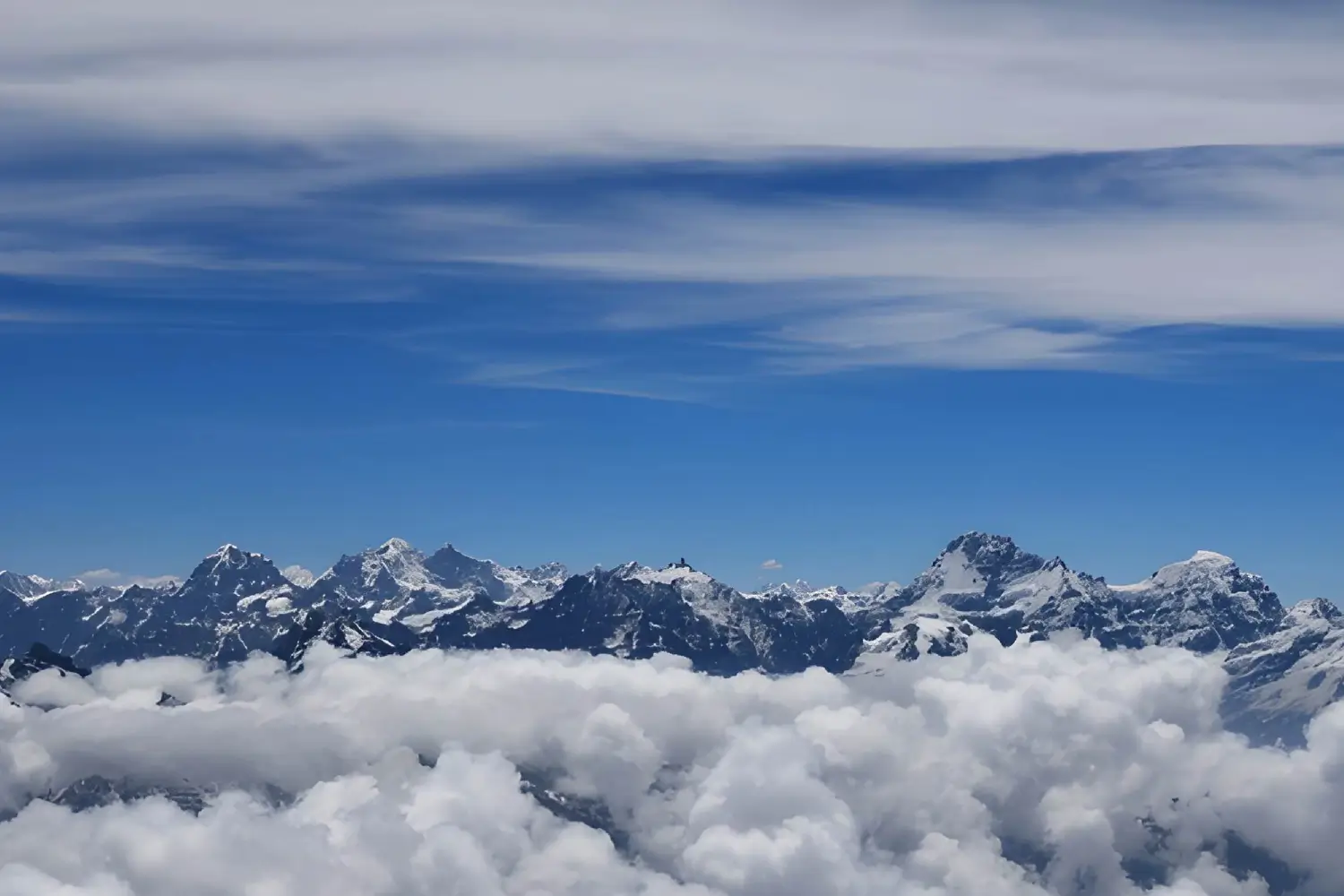
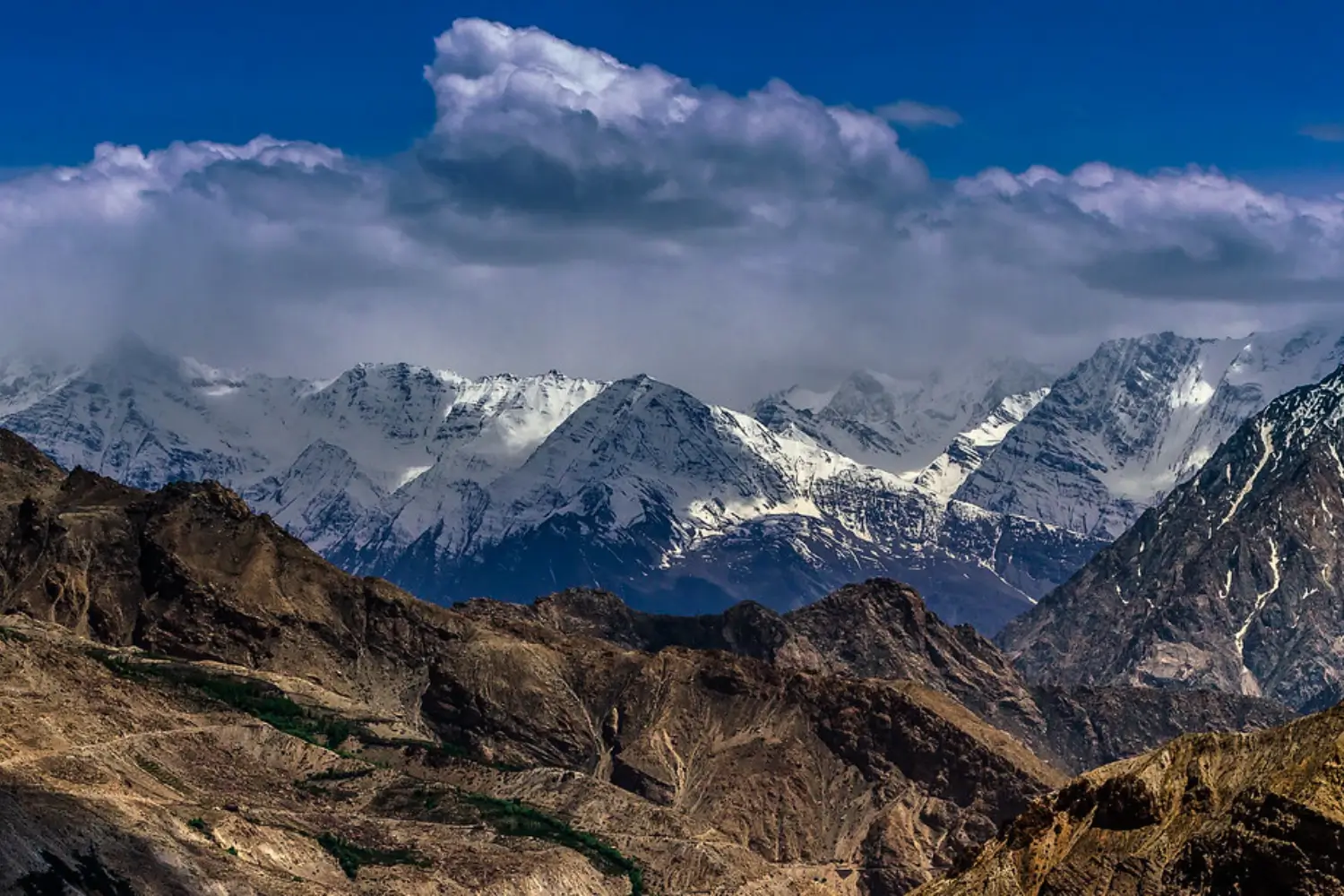
hardLocated on the Kinnaur - Spiti border, Mount Manirang (6,593 m) is one of the highest climbable peaks in Himachal Pradesh and is often hailed as the “Crown of Spiti Valley.”
Starting from $ 1435 / Per person
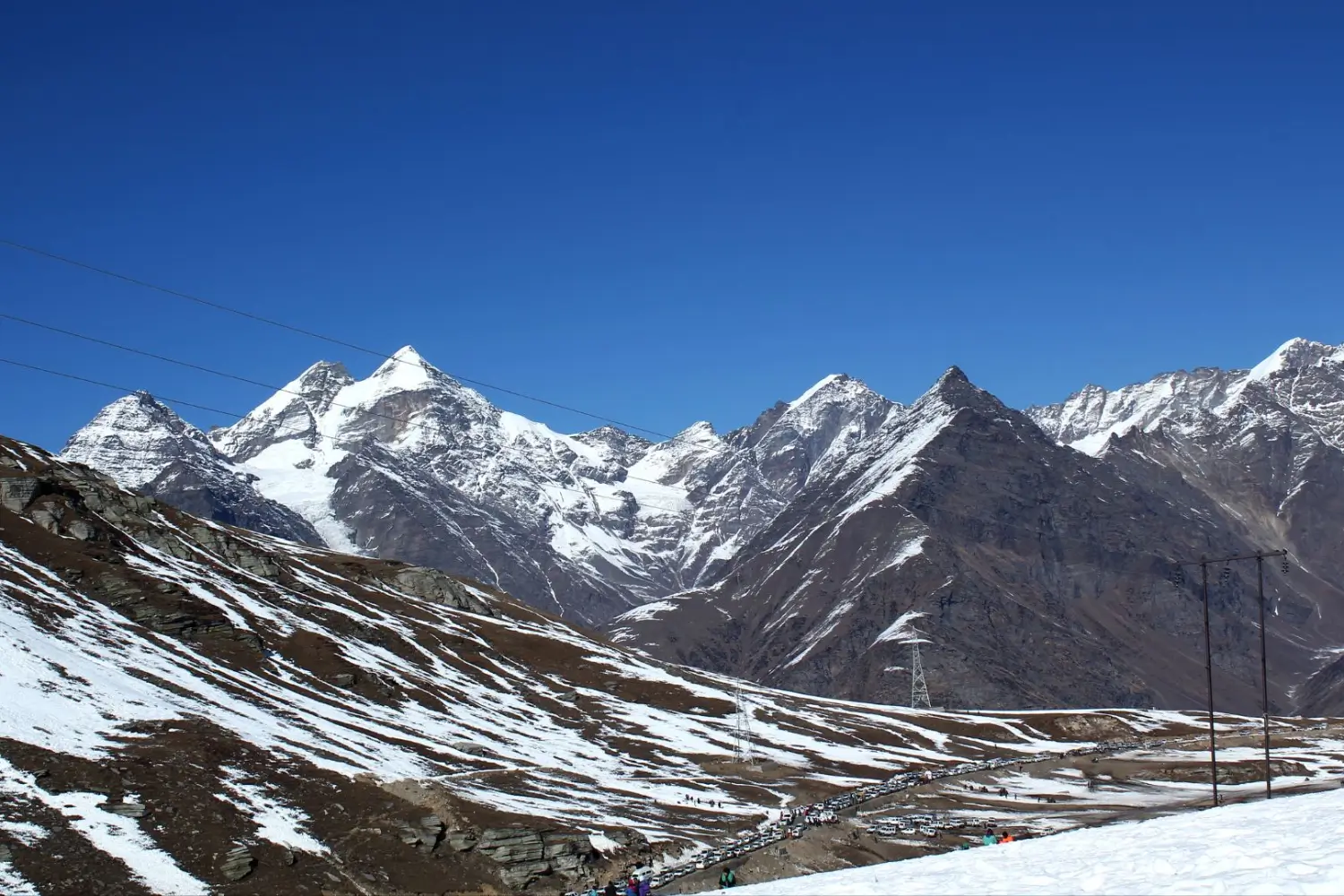
moderateMt. Ladakhi, standing tall at 5577 meters, is a lesser-known but incredibly rewarding Himalayan Peak, located in the Pir Panjal Range.
Starting from $ 1345 / Per person
 moderate
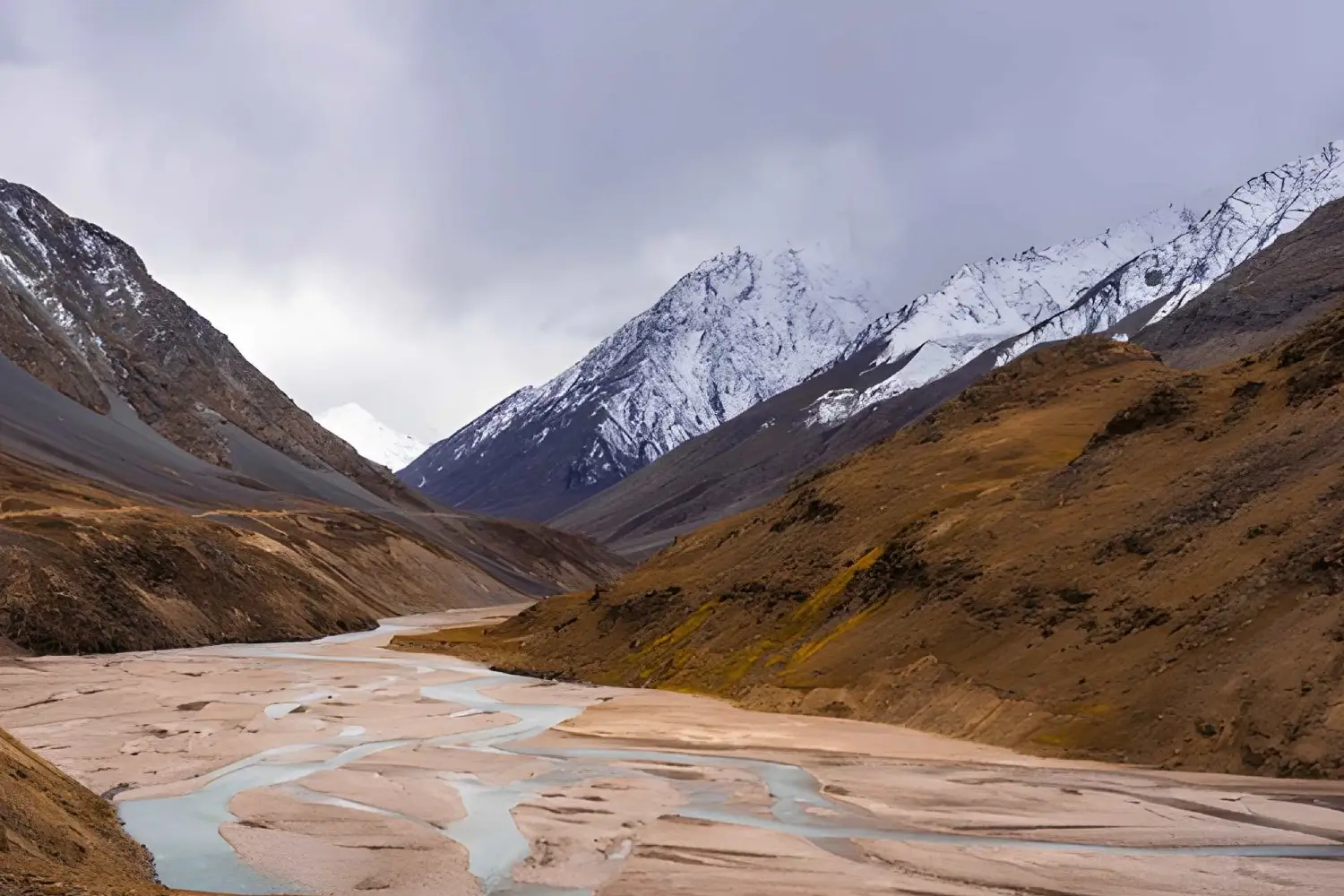
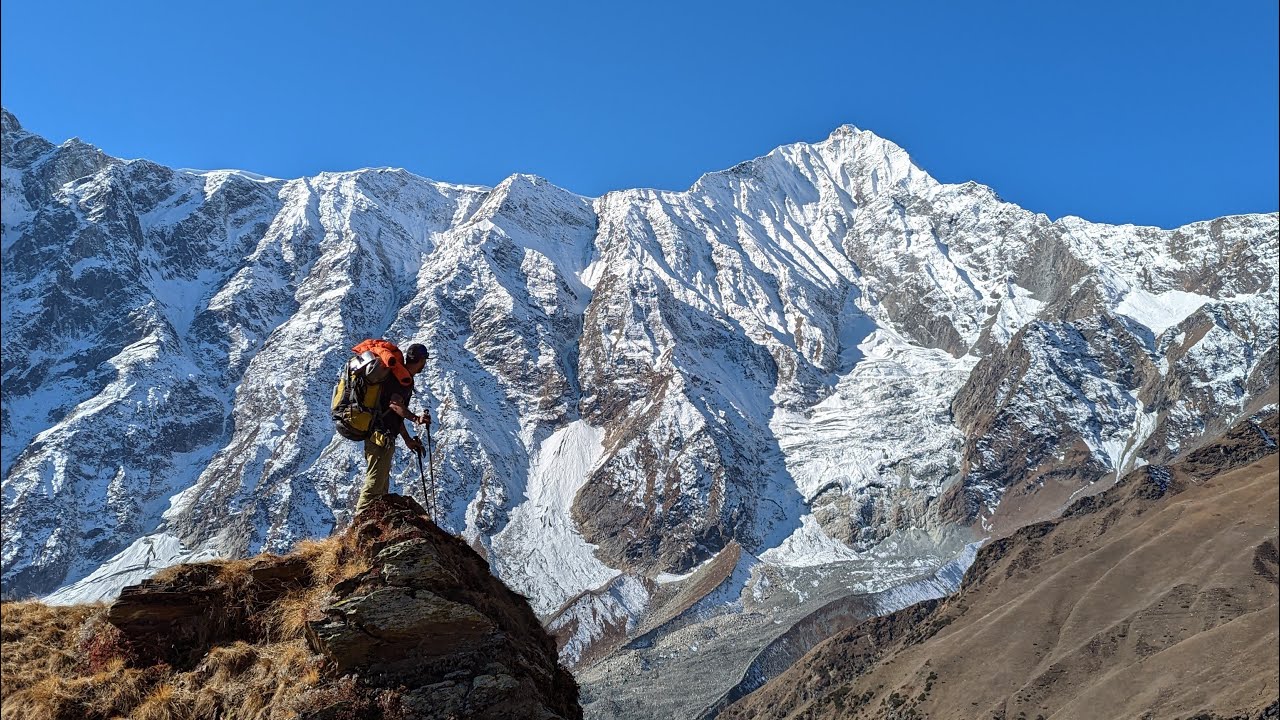
Mount Shitidhar, also known as the “White Peak,” offers a perfect introduction to peak climbing in the Indian Himalayas.
Starting from $ 1350 / Per person