Explore our inclusive guided peak climbing expeditions in Himachal Pradesh for experienced and beginner trekkers. With the expertise of professional guides and mountaineers, your trekking and climbing adventure in Himachal will be both safe and unforgettable.
Located on the Kinnaur - Spiti border, Mount Manirang (6,593 m) is one of the highest climbable peaks in Himachal Pradesh and is often hailed as the “Crown of Spiti Valley.”
Located in the Pir Panjal Range of Kullu Valley, Friendship Peak (5,289 m) offers an ideal introduction to high-altitude mountaineering, perfect for fit first-timers and experienced trekkers alike.
Located in the serene embrace of the Pir Panjal Range in Himachal Pradesh, Manali Peak (5669 m) is a perfect expedition destination for the first - timers as well as those wanting to test their endurance.
Peak Climbing in Himachal: A Passion-Driven, Adventurous Mountain Expedition
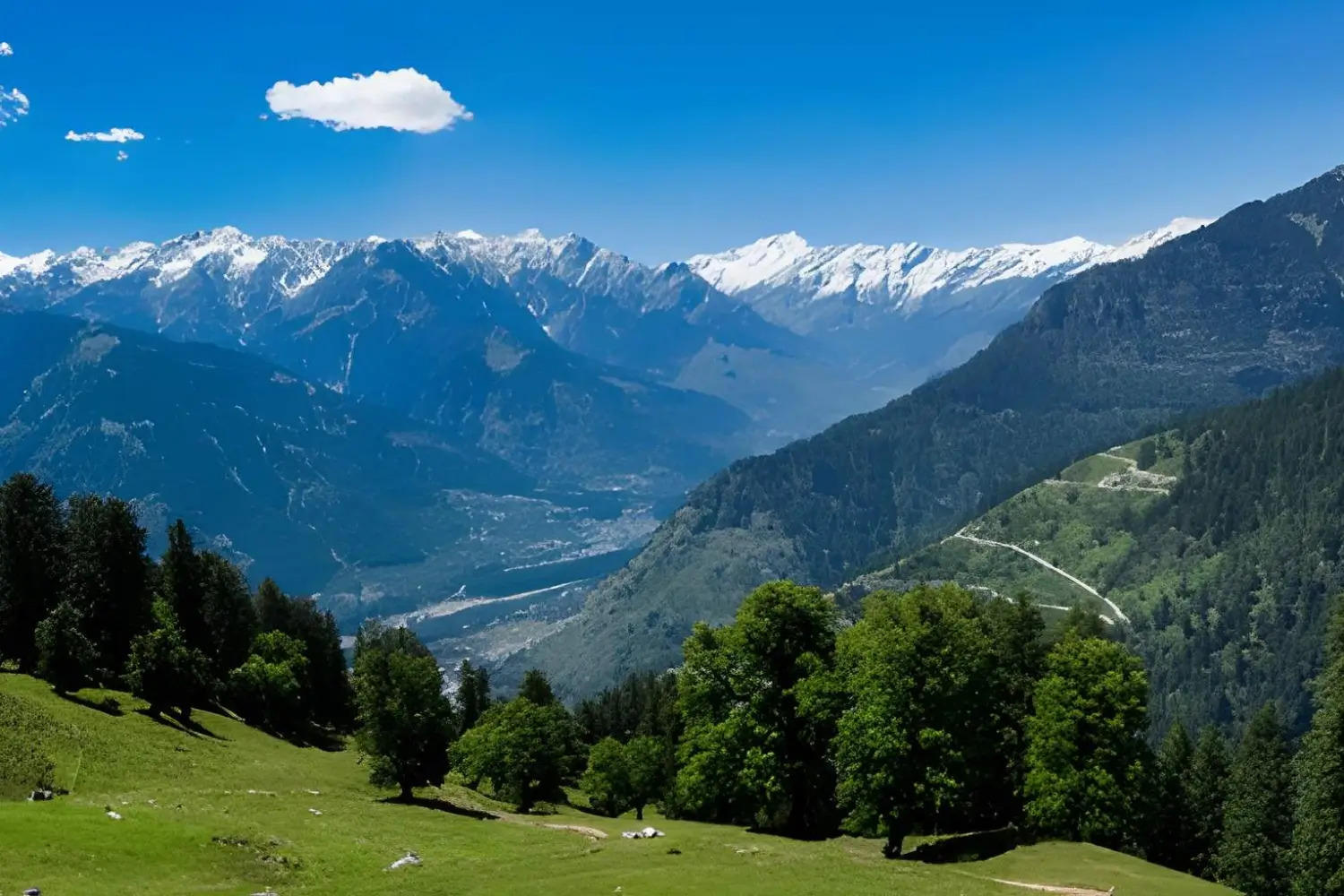
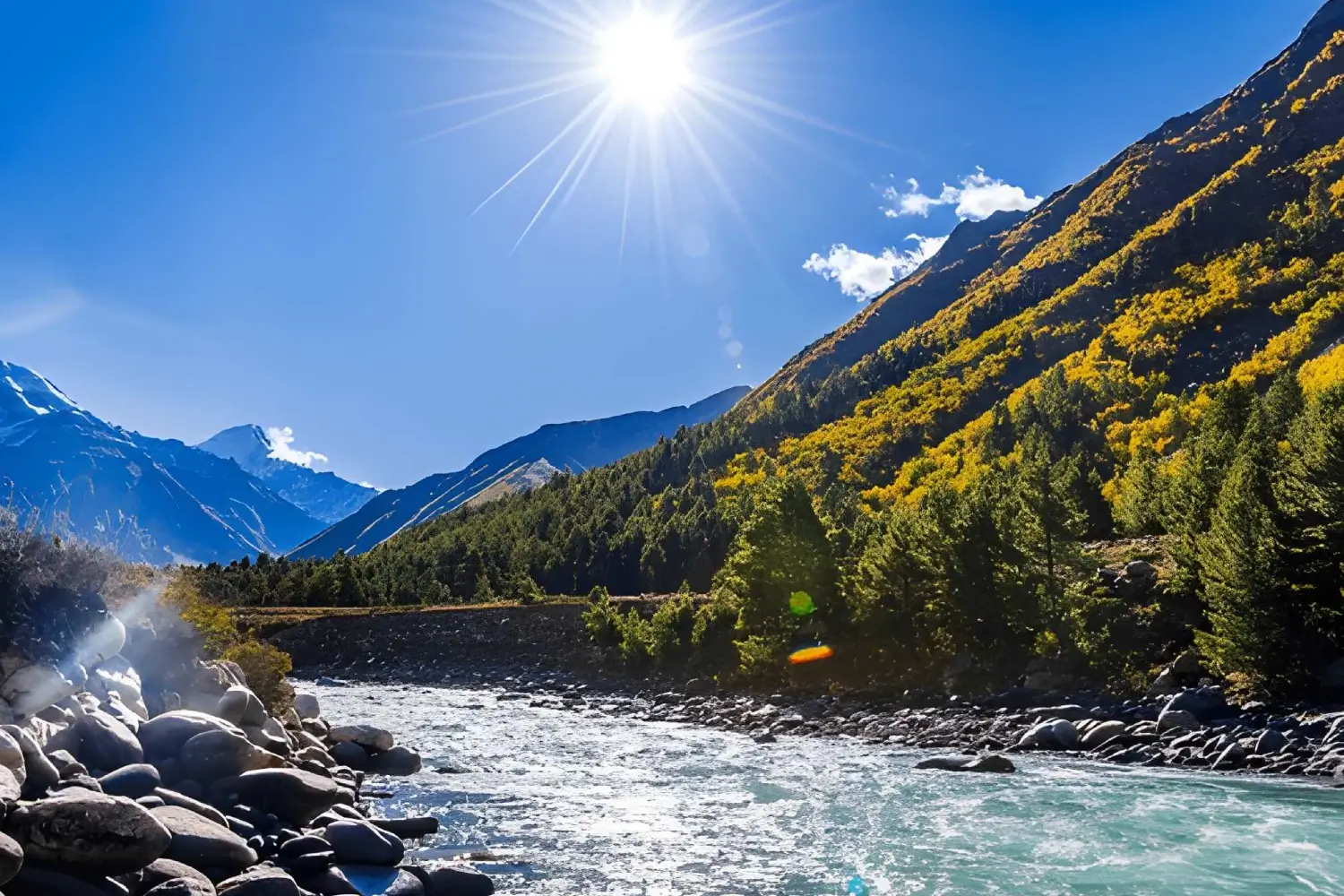
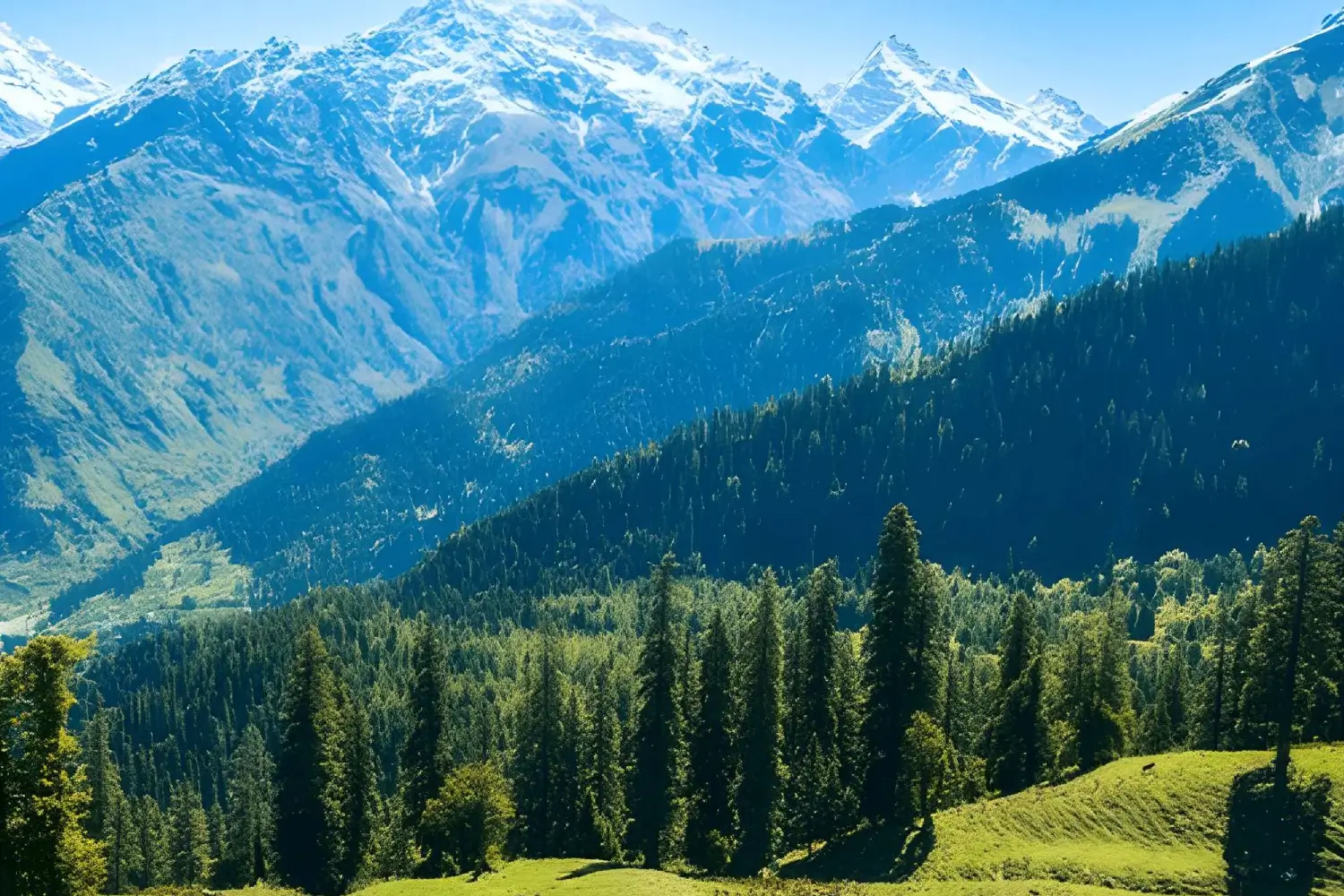
Himachal, famously known as the "Land of Snow," is one of the most mesmerizing and charming states of India. Its diverse landscapes range from barren mountain slopes to lush green forests, from verdant meadows to fertile plains. Himachal Pradesh is a dream destination—whether you are a traveler seeking fun and solitude, a naturalist wanting to breathe in fresh mountain air, or an adventure enthusiast longing for a memorable trekking experience.
Himachal Pradesh offers countless opportunities for peak climbing, suitable for both first - time climbers and seasoned mountaineers. Its vast valleys, spectacular landscapes, and remote passes remain relatively untouched, waiting to be explored. Himachal is truly a blessing - a paradise for trekkers, mountaineers, climbers, rafters, skiers, and hikers alike. The captivating valleys of Manali and Kullu, in particular, host countless trekking and climbing expeditions.
Some of the most prominent Himalayan ranges overlapping Himachal Pradesh include the Pir Panjal Range, the Great Himalayan Range, and the Dhauladhar Range. Among them, the Pir Panjal Range is the largest of the lesser Himalayas, dotted with glaciers and high-altitude passes such as the famous Rohtang Pass near Manali.
Below is a list of some of the most notable peaks in Himachal Pradesh, most of which rise above 5,000 meters and are open to mountaineering expeditions:
Mount Ladakhi (5345 meters)
Located in the Pir Panjal Range, Mount Ladakhi is a snow-covered peak that offers an enthralling climbing route, captivating adventure seekers instantly. The peak presents a serene and fascinating landscape, making it equally appealing for photography enthusiasts.
However, this climb is not for beginners—it requires prior experience and advanced mountaineering equipment. The route passes through Dhundi and Bakarthach before entering the Beas Kund glacier, offering breathtaking views of the Dhauladhar and Pir Panjal Ranges. Glaciers, grasslands, and snow-clad peaks enhance the beauty of this challenging yet rewarding expedition.
Mount Shitidhar (5290 meters)
Mount Shitidhar, a majestic snow-clad peak, is particularly popular among mountaineering students. It often serves as a training ground for more challenging expeditions in the Greater Himalayas.
The name Shitidhar comes from Shiti meaning “sharp” and Dhar meaning “edge.” Located close to Manali, it stands alongside other popular trekking peaks, including Ladakhi, adding to the adventure charm of the region.
Friendship Peak (5289 meters)
Situated in the Beas Kund region, Friendship Peak is part of the Pir Panjal Range and rises to 5289 meters in Kullu district. The climb is not very technical, making it a popular choice for many trekkers.
The journey offers more than just adventure - the vibrant markets of Manali, the charm of Solang Valley, and the beauty of Bakarthach base camp all add to the experience. Friendship Peak, draped in pristine snow, is best climbed between May-June and September-October. The nearest airport is at Kullu - Manali, while the closest railway station is Joginder Nagar.
Seven Sisters
The Seven Sisters Peak in Manali offers a blissful experience for climbers and trekkers. Its snow-draped slopes radiate serenity and leave a lasting impression on adventure lovers.
To climb this peak, trekkers must first reach Dhundi, a six-kilometer trek from Solang Valley. From there, the ascent to the imposing Seven Sisters begins. Combining the climb with explorations of Solang Valley makes the journey even more rewarding. The charm of this expedition is such that it often draws climbers back again and again.
Mount Deo Tibba (6001 meters)
Rising to 6001 meters, Mount Deo Tibba is a challenging peak covered in rock and snow. It is often attempted after smaller climbs and is renowned for offering magnificent views near Manali. This peak remains one of the most celebrated climbs in Himachal.
Papsura (6451 meters)
Papsura, located on the watershed separating the Bara Shigri and Tos glaciers in Lahaul, is famously known as the “Peak of Evil.” To its southeast stands Dharmsura, the “Peak of Good.”
Though often confused with Dharmsura, Papsura was first climbed by a British service team in 1976, while Dharmsura was scaled earlier in 1941. The Papsura region is known for its raw, imposing beauty and offers panoramic views of towering peaks.
Mt. Menthosa (6443 meters)
The second-highest peak in Himachal Pradesh, Mt. Menthosa was first climbed by a British service team in 1970. This technical and demanding peak requires rope work and advanced mountaineering skills, making it a favorite among serious climbers.
The nearest airport is Kullu, and the best climbing season extends from May to September.
Mt. Hanuman Tibba (5860 meters)
Rising to 19,220 feet, Mount Hanuman Tibba is one of the most striking peaks near Manali. Its pyramid-like structure, with different faces on each side, makes it both technical and fascinating.
A steep ascent and challenging terrain make this climb perfect for adventure enthusiasts eager to immerse themselves in the grandeur of the Western Himalayas.
Peak Climbing Expeditions
Request Booking for This Peak Climbing Expedition in the Himalayas
For a detailed itinerary, expedition plan, and pricing, click the “Book” button below and share your requirements. We will get back to you at the earliest possible.
Preparation is crucial for a safe expedition. Unlike standard trekking, peak climbing in Himachal requires greater fitness and mental strength. Additionally, plan for safety measures such as acclimatization, weather contingencies, and emergency protocols to ensure a secure climb. Here's how to prepare :
Start Early (3 - 4 Months Prior): Don't wait until the last minute to train. Start a focused fitness routine at least 12 - 16 weeks before your trip to build the endurance needed for the Himachal Himalayas.
Cardiovascular Endurance: Concentrate on high-intensity cardio. Regular long - distance running (5 km to 10 km), swimming, or cycling will help your lungs absorb oxygen better in thin air.
Strength and Core Training: Climbing steep slopes requires strong legs and a stable core. Add squats, lunges, and planks to your routine to carry a heavy backpack over challenging terrain.
Gear Familiarity: Before you go, learn how to use essential technical gear. Practice walking with crampons and using an ice axe since these are critical for crossing glaciers and snowfields.
Mental Preparation: The mountains test your mind as much as your body. Get mentally ready for extreme cold, isolation, and the physical discomfort of high altitude.
The state has many summits for different skill levels, ranging from "trekking peaks" to technical climbs. Here are some of the most popular peaks for climbing in Himachal:
Friendship Peak (5,289 m): Located in the Pir Panjal range near Manali, this is a favorite. It's great for those trying mountaineering for the first time without extreme technical difficulty.
Ladakhi Peak (5,345 m): Close to Friendship Peak, this summit offers a slightly greater challenge and amazing views of the Dhauladhar and Pir Panjal ranges.
Deo Tibba (6,001 m): A gem in the Manali area, Deo Tibba suits experienced climbers. It includes navigating hanging glaciers and steep ice walls.
Hanuman Tibba (5,982 m): Known for its technical difficulty, this peak presents challenges due to its complex route and steep vertical gain.
Mount Kanamo (5,960 m): Situated in the rugged landscape of Spiti Valley, Mount Kanamo is famous for offering a near - 6,000 m experience that is physically demanding but not technically challenging.
Yes, but only for a specific kind of beginner. Peak climbing in Himachal is suitable for fit trekkers transitioning into mountaineering, not for first - timers. Beginner - friendly summits such as Friendship Peak and Shetidhar Peak are often used as training grounds because they introduce climbers to snow movement, crampon use, rope discipline, and ice axe techniques without extreme technical exposure. That said, beginners are expected to already be comfortable with multi - day high - altitude trekking above 4,000 meters, cold conditions, and long summit days.
What most first-timers underestimate is summit-day fatigue. Even non-technical peaks involve 10 - 14 hour summit pushes in thin air, often starting before midnight. This is why guided expeditions focus heavily on pacing, acclimatization rotations, and skill practice before summit attempts.
In short, Himachal is an excellent place to learn mountaineering properly, but only if you arrive prepared and choose the right peak.
It depends entirely on which peak you choose, not just the altitude. For trekking peaks and introductory climbs, prior high - altitude trekking experience (4,000 m+) is usually sufficient. These climbs focus more on endurance, snow movement, and basic rope skills rather than advanced technical systems.
However, for technical peaks such as Deo Tibba, Papsura, or Reo Purgyil, previous mountaineering experience becomes non - negotiable. Expedition leaders typically require proof of a basic mountaineering course or documented summit experience on snow and ice routes. Experienced operators assess climbers not just on certificates, but on their ability to :
Move efficiently on fixed ropes
Manage exposure and crevasse terrain
Maintain composure during long summit pushes
Many unsuccessful attempts occur not because climbers lack strength, but because they lack technical confidence at altitude.
Most peak climbing expeditions in Himachal require 10 to 18 days, and this duration is driven more by acclimatization and weather buffers than by distance.
A well - planned itinerary includes :
Gradual altitude gain
One or more acclimatisation rotations
A reserved contingency day for weather delays
Adequate recovery before summit attempts
For example, Friendship Peak is commonly scheduled over 10 - 12 days, allowing climbers to acclimatize properly before summit day. More demanding peaks, especially in Lahaul, Spiti, or Kinnaur, often need 18 - 20+ days, particularly when technical sections or remote access is involved.
This is where many self - planned itineraries fail by compressing timelines and removing buffer days. In the Himalayas, extra days don't slow you down; they increase summit success and safety.
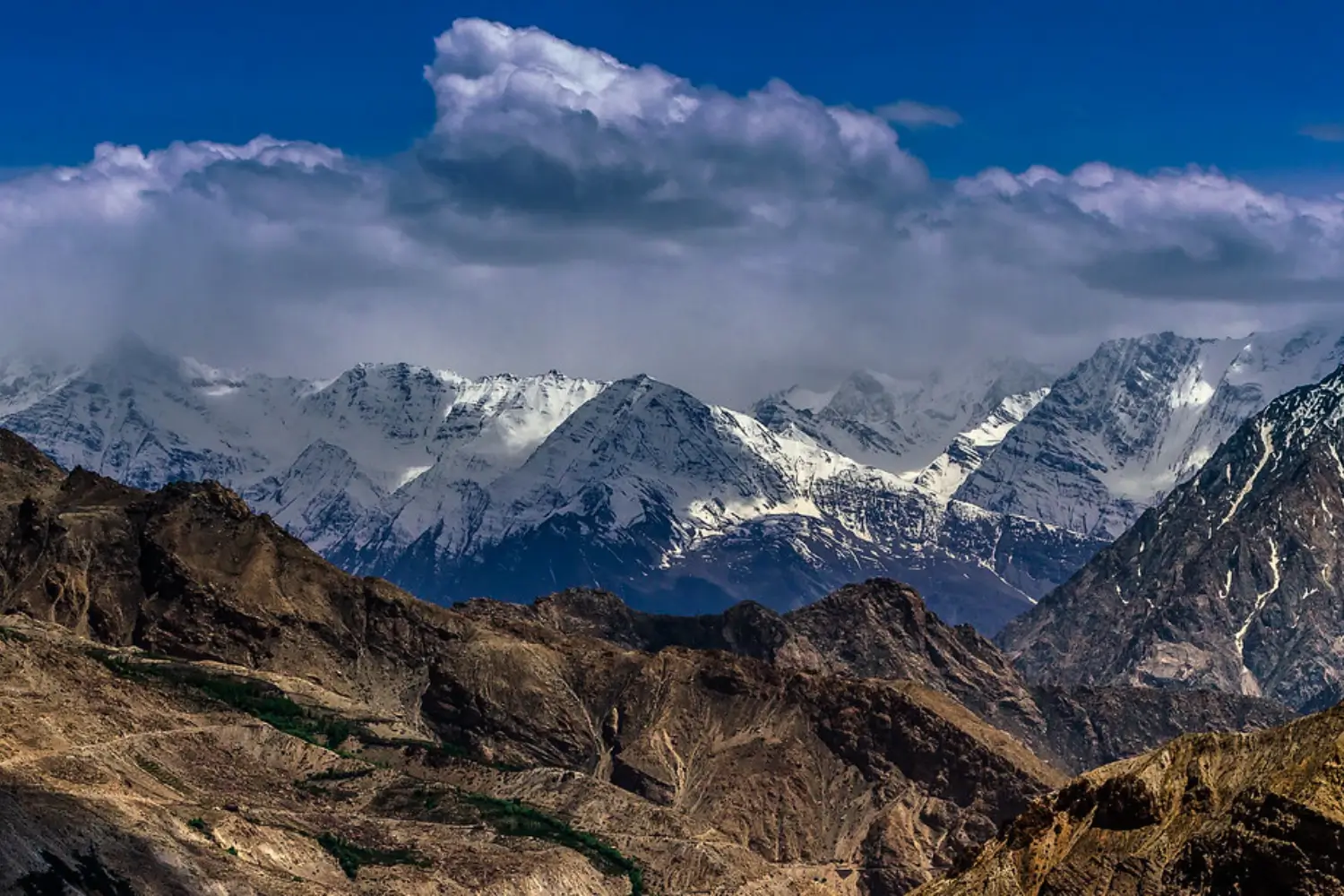
Himachal Pradesh connects the lower Himalayas with the high desert. The altitude usually ranges from 5,000 meters to 6,816 meters. The climbing peaks are often lower than those in Nepal, but they present technical challenges. The highest peak in the state is Reo Purgyil, which stands at 6,816 meters in the Kinnaur district. Most commercial expeditions aim for the 6,000 meter peaks in the Kullu and Lahaul - Spiti districts.
Yes, absolutely. The Indian Mountaineering Foundation (IMF) is the regulatory body. For any peak above a certain height, usually open peaks, you need to reserve the peak and pay a royalty fee to the IMF. To get IMF permits, you must submit a detailed itinerary and list of team members. Also, if your peak is near the border, such as Kinnaur or Spiti, you will need an Inner Line Permit (ILP) from the local administration.
To secure your climbing permits, the paperwork is strict. You generally need :
A detailed expedition proposal and route map.
Passport copies (for foreigners) or Aadhar/Voter ID (for Indians) of all team members.
Medical fitness certificates signed by a doctor.
Insurance details covering high-altitude rescue.
Details of the Liaison Officer (LO), if required by the IMF for your specific peak.
Yes, foreign nationals are welcome, but the rules are stricter. Foreign climbers must apply for a specific Mountaineering Visa (MX Visa). A standard tourist visa is not valid for climbing IMF - controlled peaks. The application must go through the IMF. Additionally, mixed teams of Indian and foreign climbers are common, but foreigners may face restrictions in border areas that require special Protected Area Permits (PAP).
Yes, some areas in Kinnaur and Lahaul-Spiti are controlled because they are close to the international borders with Tibet and China. You can trek and climb in these areas, but you need an Inner Line Permit. Foreigners typically must travel in a group of two or more to obtain these permits. Climbing peaks in these restricted zones usually requires a liaison officer to accompany the team to ensure compliance with all climbing rules.
For first-time climbers, Friendship Peak (5,289 m) near Manali and Mount Yunam (6,111 m) in the Lahaul region are widely considered the most accessible options, but for different reasons.
Friendship Peak is ideal for learning basic mountaineering techniques such as rope travel, crampon use, and snow navigation under guided supervision. It offers a balanced introduction without overwhelming technical difficulty.
Mount Yunam, on the other hand, is often called a “non-technical 6000er.” While it involves minimal rope work, it is physically demanding, with long scree slopes and sustained altitude exposure. Climbers often underestimate Yunam because of its non-technical label; endurance and acclimatization are critical here.
Choosing the “easiest” peak should depend on whether you want to learn technical skills or test high-altitude stamina, not just on altitude alone.
If you are an experienced alpinist seeking a serious challenge, peaks like Reo Purgyil (6,816 m), Papsura (6,451 m), often called the "Peak of Evil," and Deo Tibba (6,001 m) are great options. These mountains have hanging glaciers, technical rock faces, and steep ice walls that will test your mountaineering skills and endurance.
Peak climbing expeditions in Himachal are typically supported by an experienced base camp crew, and logistics play a major role in climber performance.
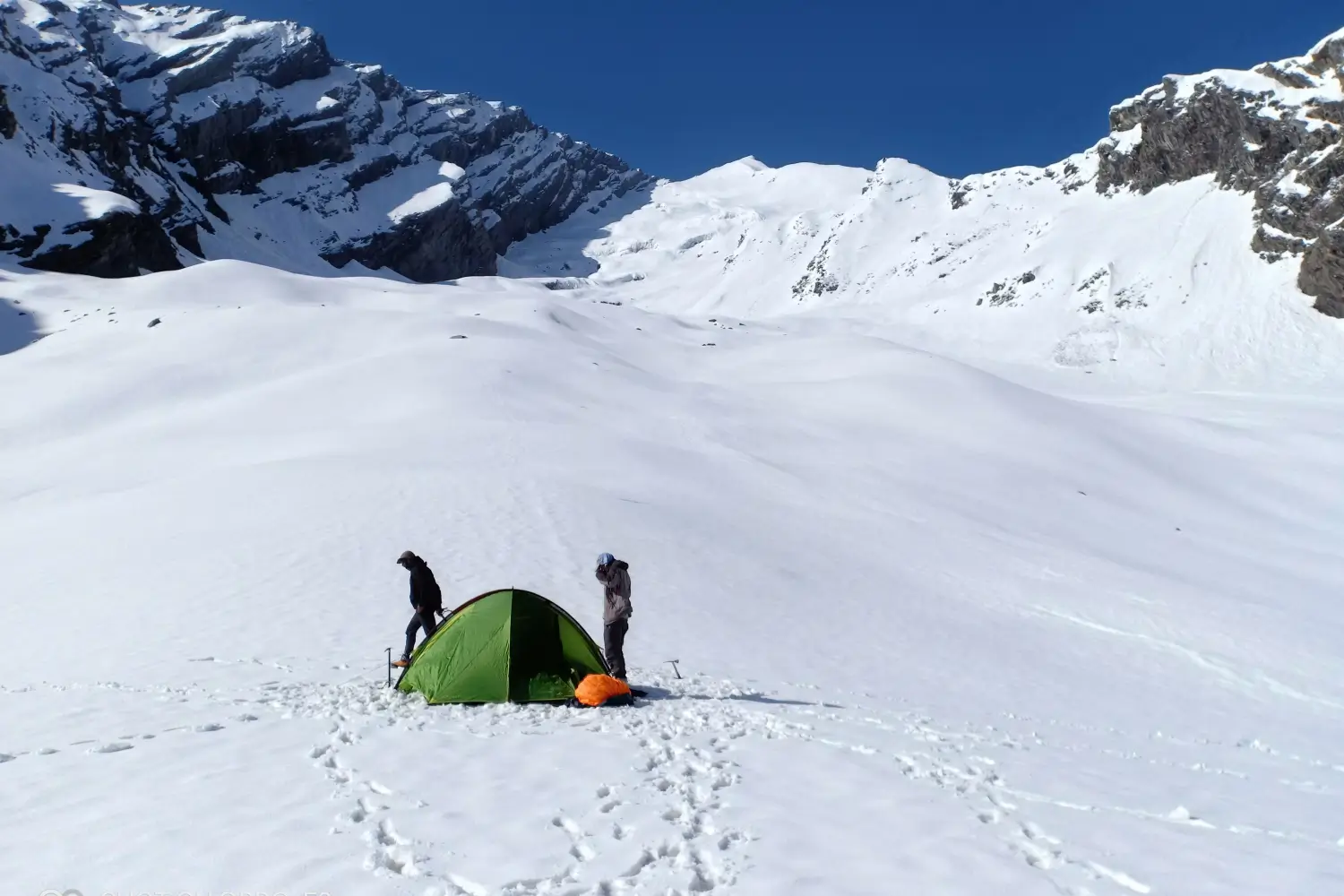
Accommodation: Climbers stay in high - quality alpine tents, usually 2 - 3 person dome tents at Base Camp and higher camps. Camps are deliberately positioned to balance shelter, safety, and acclimatization needs rather than comfort alone.
Food: At Base Camp, meals are freshly prepared and focus on high-calorie, easily digestible nutrition, including Indian staples and simple continental options. As teams move to High Camps and Summit Camp, food becomes lighter and more functional: instant meals, porridge, soups, dry fruits, and energy snacks designed to minimize weight while maintaining energy levels.
One overlooked reality is appetite loss at altitude. Well-run expeditions plan menus accordingly, ensuring climbers continue eating even when hunger drops, a key factor in summit-day strength and recovery.
 hard
hard moderate
 moderate
 hard
hard hard
hard moderate