Mt. Deo Tibba Peak Expedition, Himachal
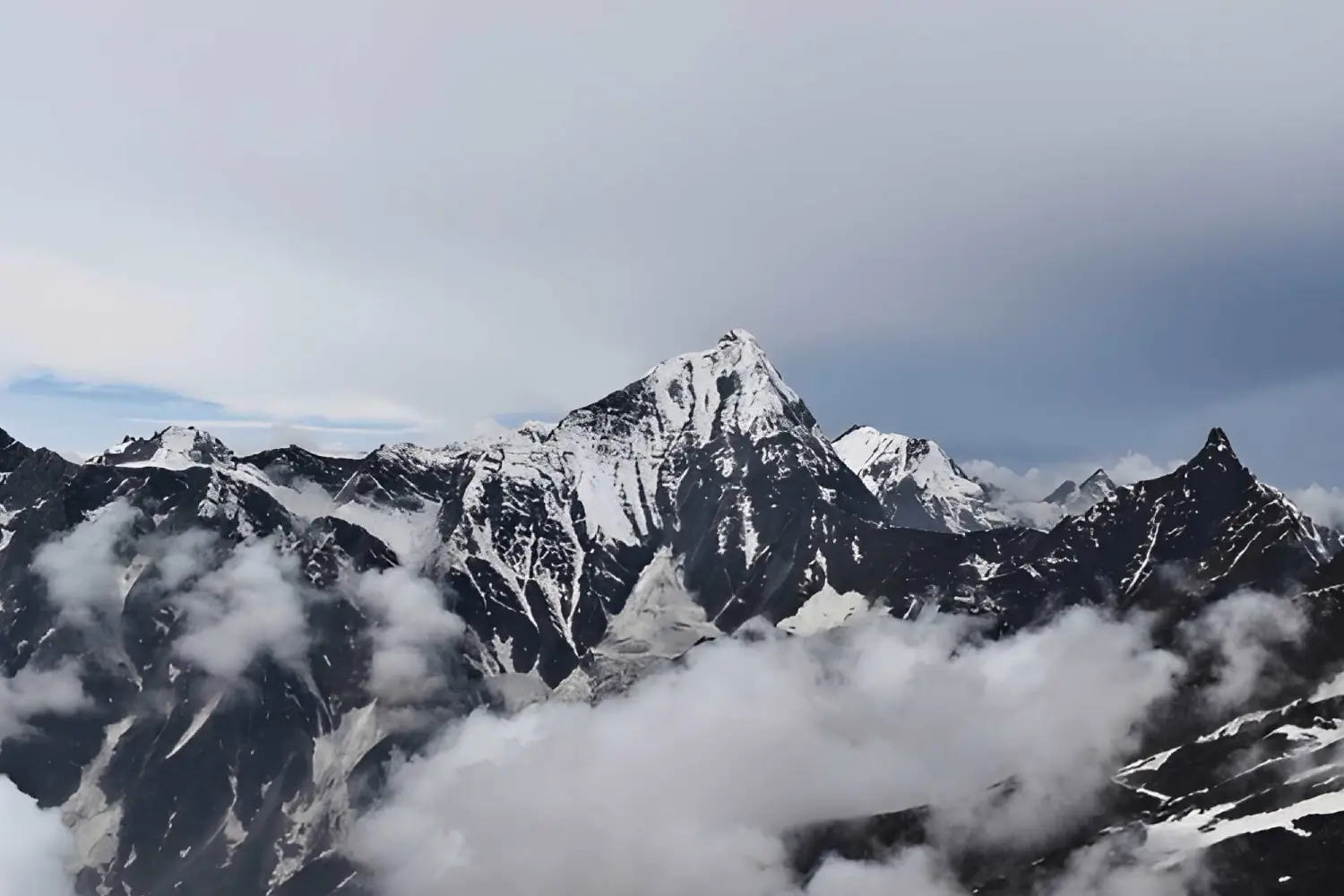
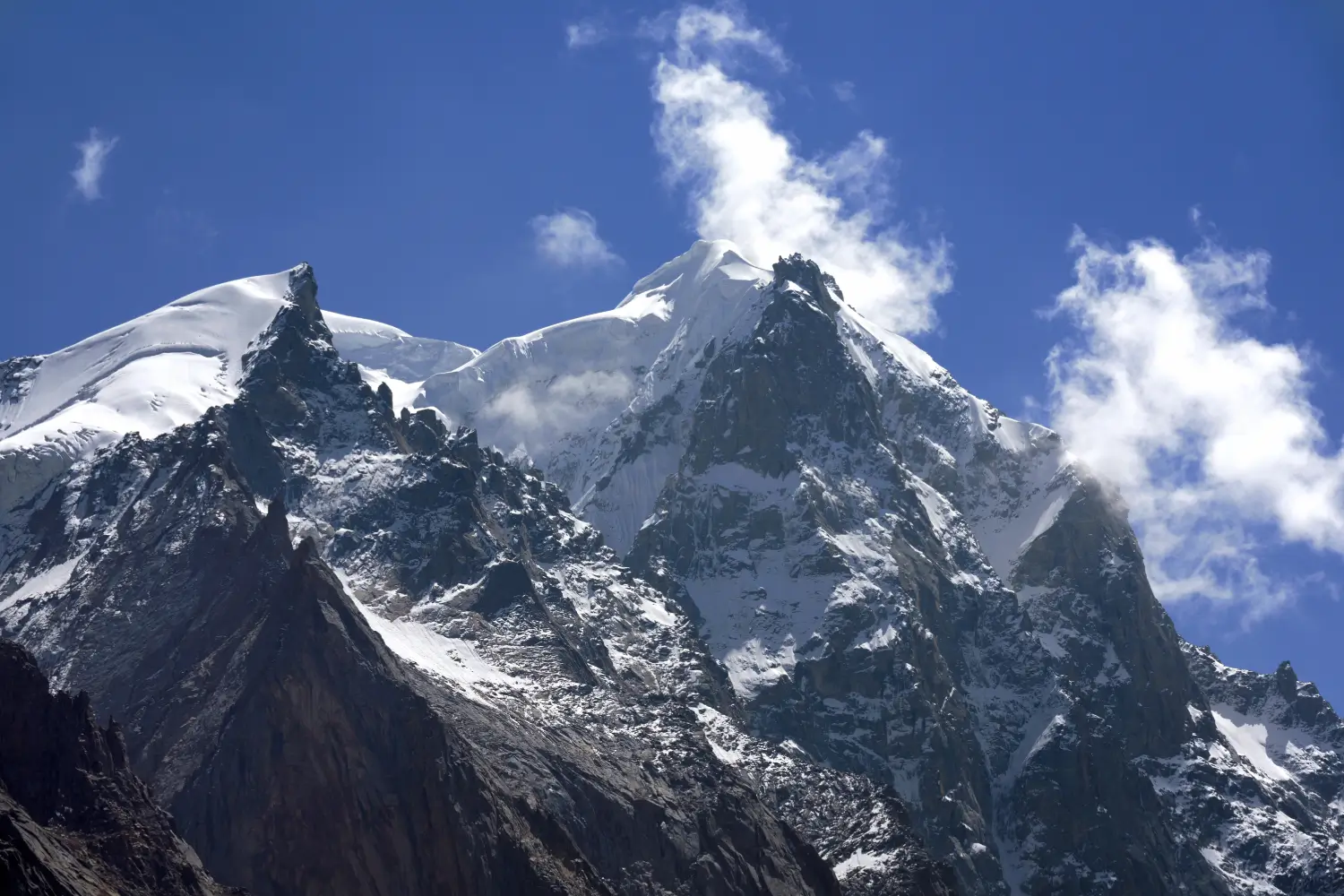
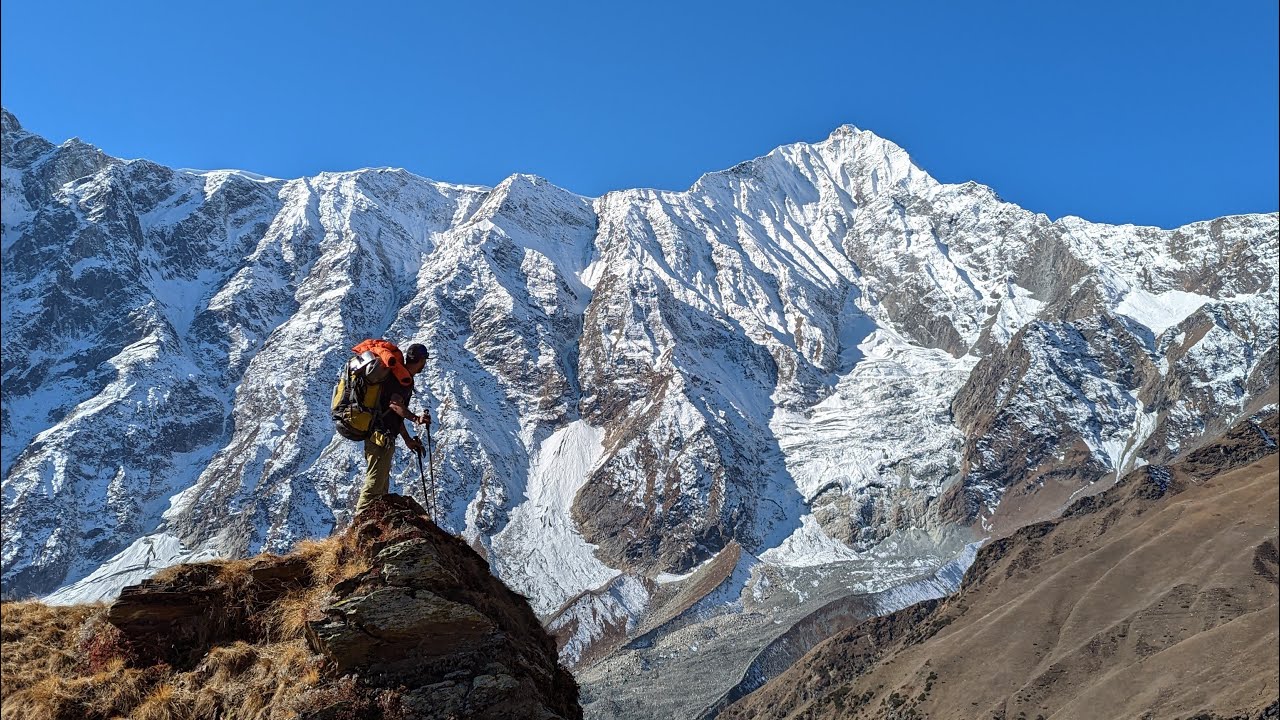
Mt. Deo Tibba (6,001 m), a majestic dome-shaped peak in the Pir Panjal Range of Himachal Pradesh, rises southeast of Manali, overlooking the scenic Jagatsukh Valley. As the second-highest peak in the region, it is a favorite mountain expedition in the Indian Himalayas among seasoned climbers, not just for its beauty, but for its reputation as a mountain with moods. Known for its unpredictable weather and shifting conditions, Deo Tibba challenges even the most experienced mountaineers, turning each expedition into a test of skill, patience, and adaptability. Beyond its physical demands, this sacred Himalayan peak holds mythological significance and is believed to be the meeting place of the gods, adding a spiritual dimension to its awe-inspiring presence.
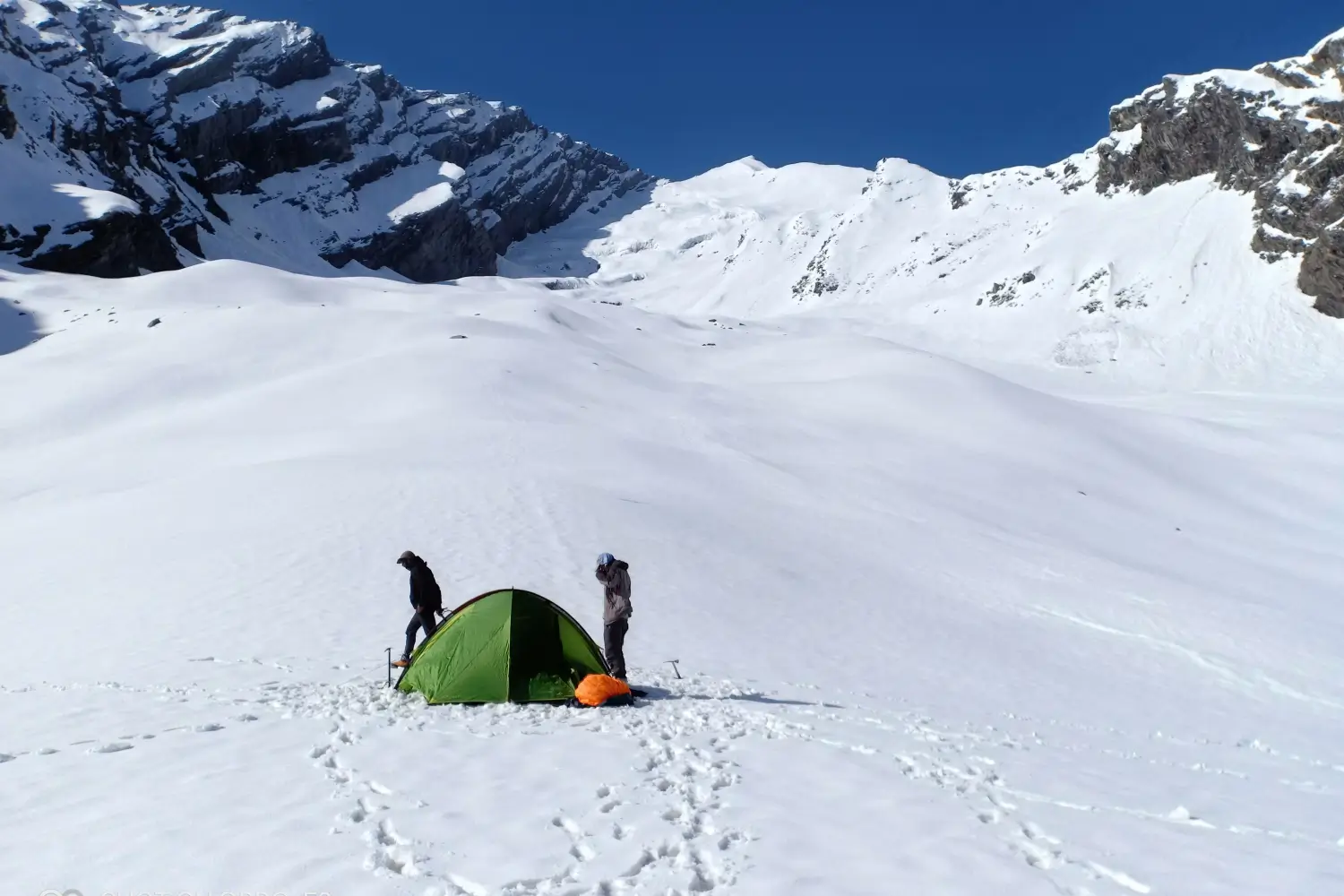
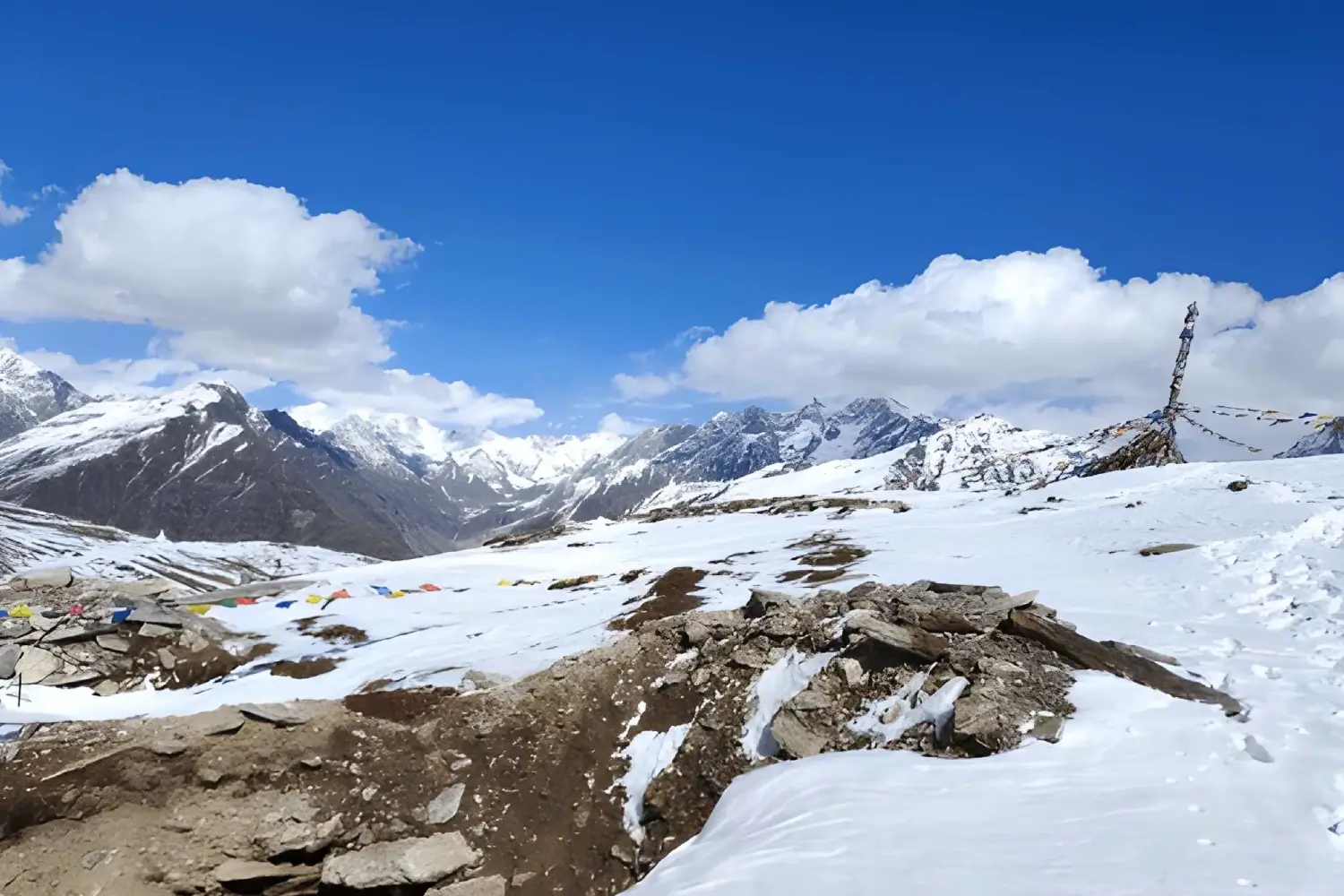
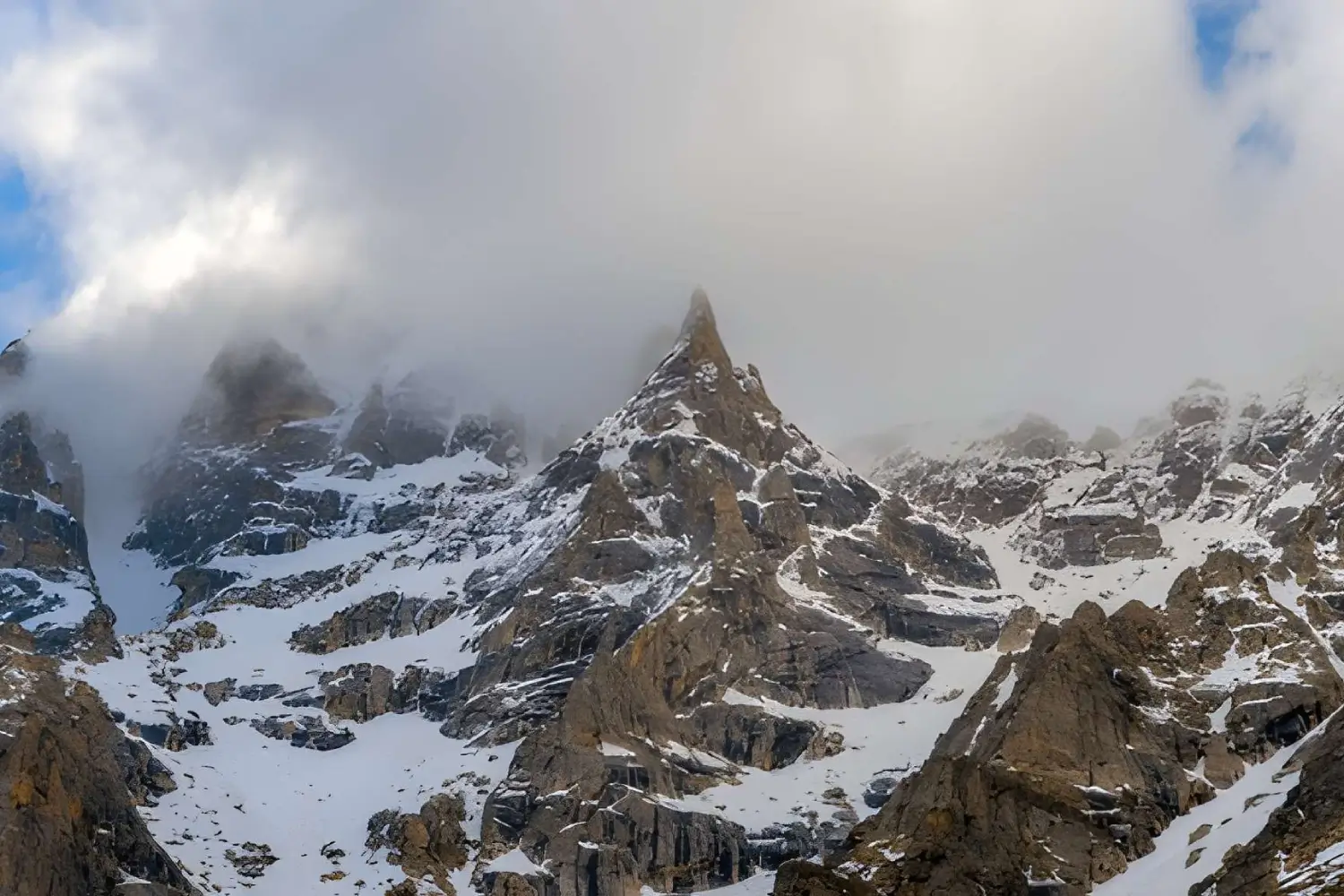
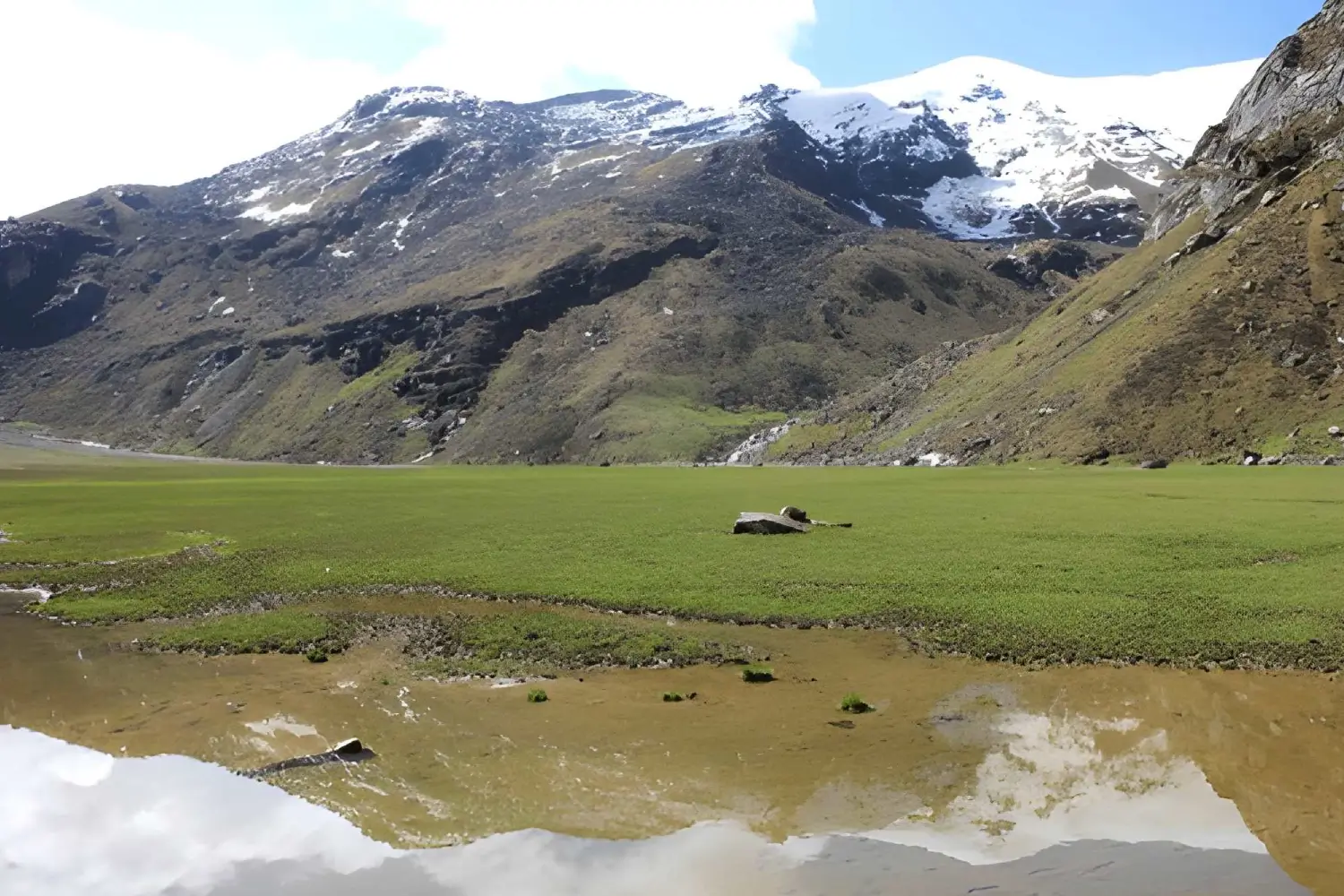
The expedition in Himachal Pradesh begins from Jagatsukh, a picturesque village near Manali. The trail winds through lush coniferous forests of deodar, oak, and silver birch, leading to Chikka, home to a sacred Hindu temple. As you ascend, the path opens into vibrant wildflower meadows, eventually reaching the alpine campsite of Seri. From there, one needs to continue toward Tenta and enter the glacier moraine zone, with stunning views unfolding at every step. En route to Deo Tibba Base Camp, you'll cross Chota Chandratal, a striking turquoise glacial lake nestled amidst towering peaks.
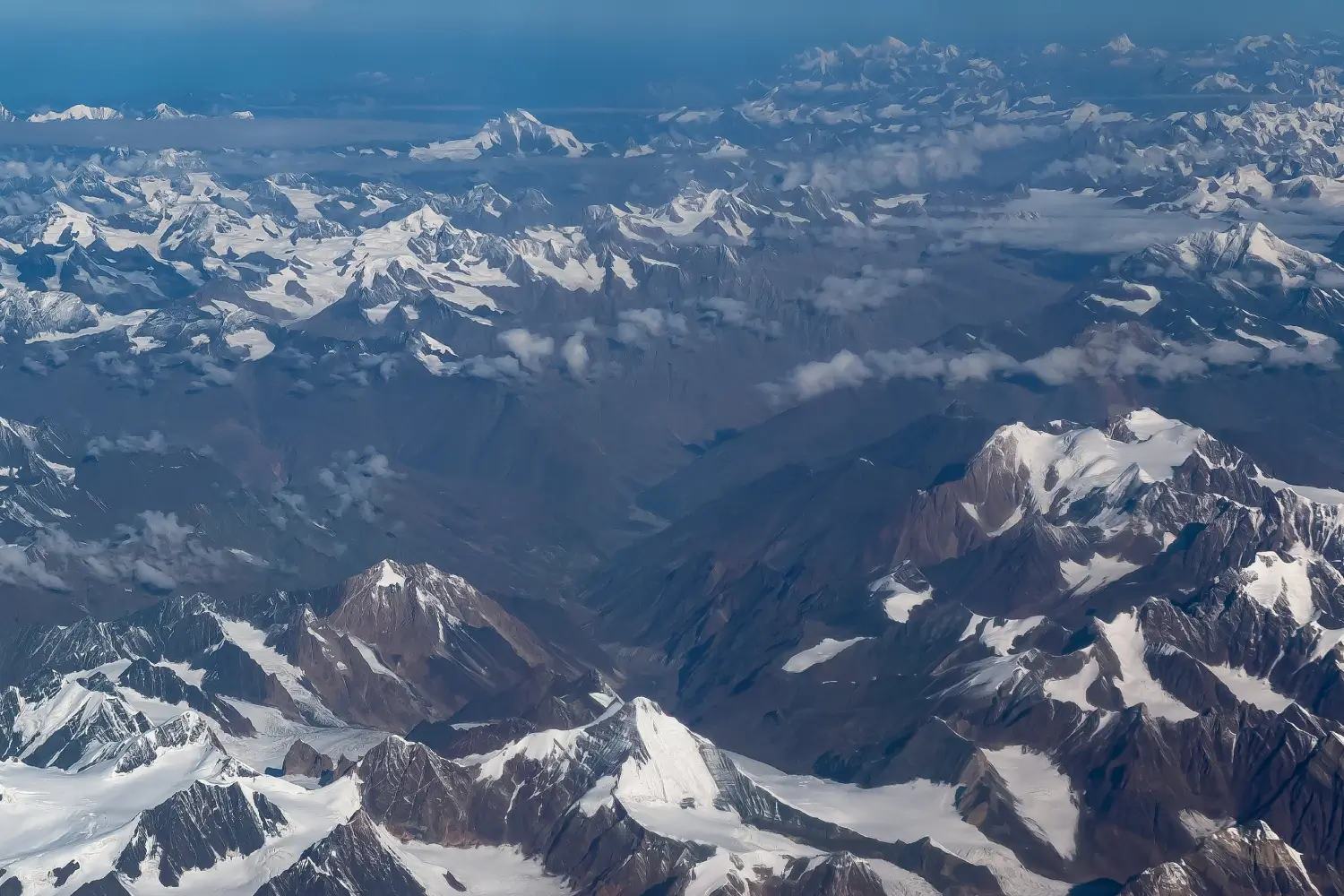
After three days of trekking and acclimatization, the summit push begins at 2 a.m., navigating snowfields and icy slopes under starlit skies. Reaching the summit, climbers are rewarded with a spectacular sunrise and panoramic views of Himalayan giants, including Norbu Peak (5,226 m), Jagatsukh Peak (5,050 m), and Indrasen Peak (6,221 m), stretching across the Dhauladhar and Pir Panjal ranges.
Highlights of Mt. Deo Tibba Peak Expedition
- Unlike the sharp, craggy summits typical of Himalayan peaks, Deo Tibba surprises climbers with a wide snow dome at the top, resembling an ice cap, a rare formation in this region.
- Deo Tibba stands tall at over 6000 meters, making it the second-highest peak in the Pir Panjal Range.
- Explore the Chota Chandratal Lake, a serene glacial lake nestled en route to Mt Deo Tibba Base Camp.
- Spot Himalayan wildlife such as snow pigeons, foxes, and mountain goats across the rugged Pir Panjal slopes.
Fitness Requirements for Mt. Deo Tibba Expedition
Mt. Deo Tibba is a demanding Himalayan expedition and one of the top trekking peaks in Himachal Pradesh. To join this challenging journey, trekkers must meet the following fitness benchmarks:
- Excellent physical fitness is essential due to the altitude, technical terrain, and long summit day
- Must be able to jog 6 km in 30 minutes or jog 10 km in 60 minutes without exhaustion
- Should be able to cycle 25 km in 65 minutes comfortably
- Must carry a backpack weighing 10 - 15 kg during the trek (Backpack offloading is not recommended for this route)
- Body Mass Index (BMI) should be between 18 and 26
- Prior experience in at least two high-altitude treks above 4,500 meters is mandatory
- Technical knowledge of crampons, roping, and snow walking is preferred (Training is provided on the mountain, but basic familiarity is helpful)
- Strong mental resilience, discipline, and consistency in training are vital for summit success
How to Prepare for Mt. Deo Tibba Expedition?
- Start training at least 8 - 10 weeks in advance. Gradually increase your stamina, strength, and flexibility.
- Build cardiovascular endurance with jogging, brisk walking, cycling, or swimming. Aim to jog 6 - 10 km daily without exhaustion.
- Incorporate leg and core strength exercises such as squats, lunges, planks, and step-ups. Strong legs are essential for steep climbs and descents.
- Practice hiking with a loaded backpack. Start with 5 - 7 kg and gradually increase to 10 - 12 kg. Get used to walking on varied terrain, including stairs, hills, or uneven paths.
- Train at altitude if possible. If you live near or can travel to high-altitude regions, do practice hikes to improve adaptation.
- Work on your balance and flexibility with yoga, stretching, or mobility drills to reduce injury risk on snow and rocky sections.
- Follow a nutritious diet to support training and boost recovery. Stay hydrated and avoid smoking or alcohol during your training period.
Quick Facts
- Location : Kullu Valley, Himachal Pradesh
- Maximum Altitude : 19,700 feet (6,006 meters)
- Grade : Moderate (Challenging)
- Distance : 42 km (approx.)
- Number of Days : 14 Days
- Best Time for Expedition : May to June and September to October
- Base Point / Starting and Ending Points : Jagatsukh, Manali
Request Booking for This Peak Climbing Expedition in the Himalayas
For a detailed itinerary, expedition plan, and pricing, click the “Book” button below and share your requirements. We will get back to you at the earliest possible.
Related Tours
 hard
hardLocated on the Kinnaur - Spiti border, Mount Manirang (6,593 m) is one of the highest climbable peaks in Himachal Pradesh and is often hailed as the “Crown of Spiti Valley.”
Starting from $ 1435 / Per person
 moderate
Mt. Ladakhi, standing tall at 5577 meters, is a lesser-known but incredibly rewarding Himalayan Peak, located in the Pir Panjal Range.
Starting from $ 1345 / Per person
 moderate
Mount Shitidhar, also known as the “White Peak,” offers a perfect introduction to peak climbing in the Indian Himalayas.
Starting from $ 1350 / Per person