Media Gallery
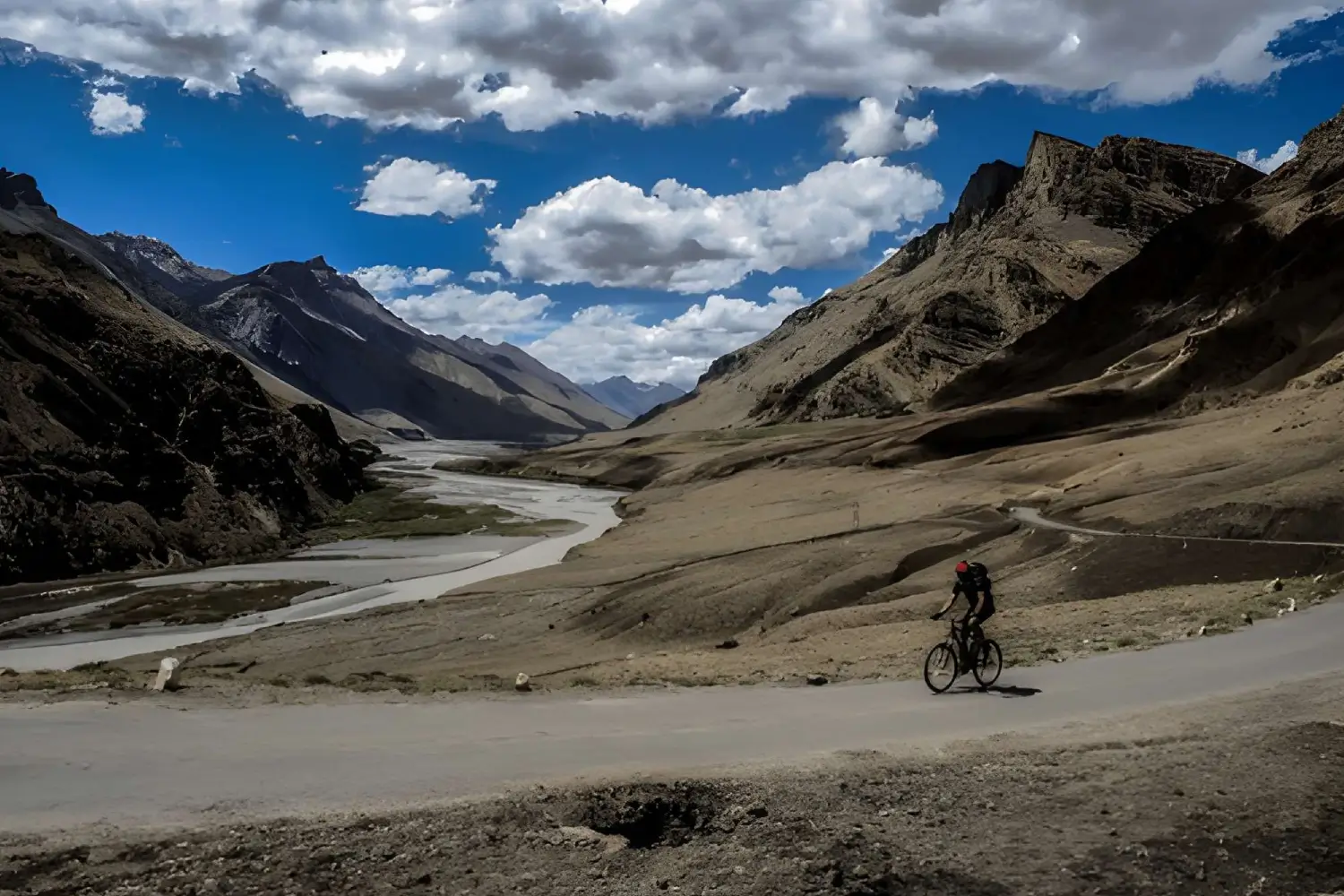
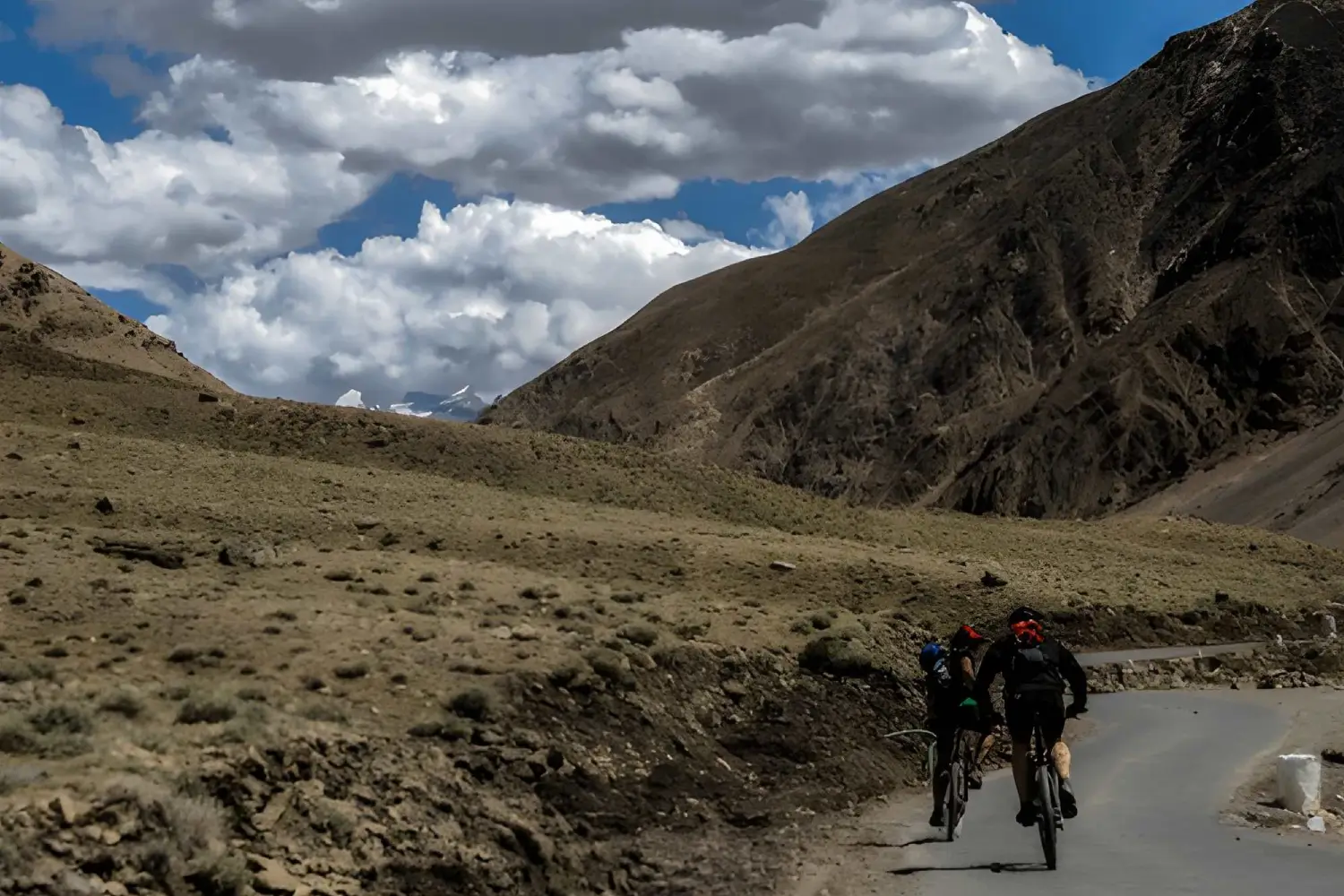
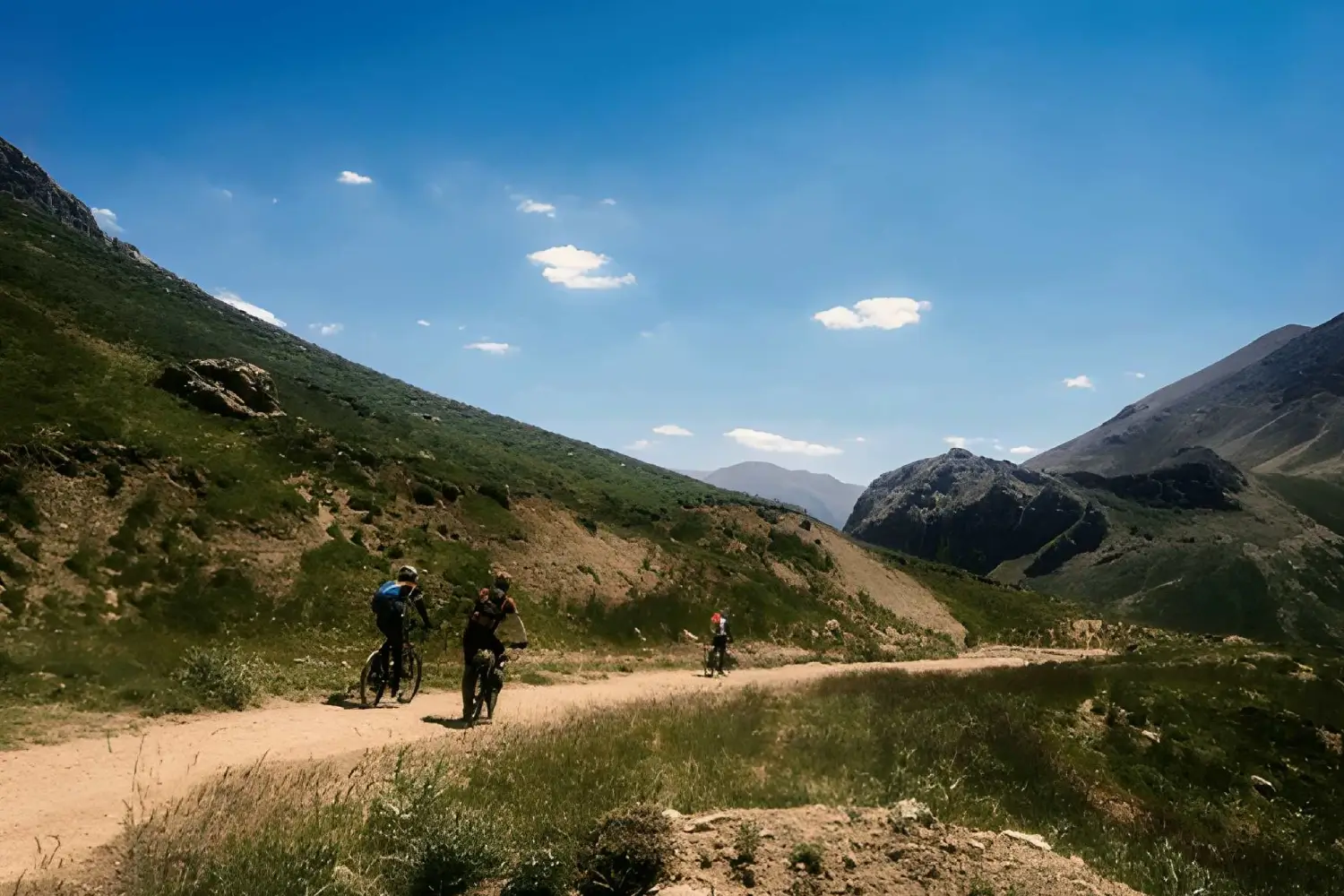
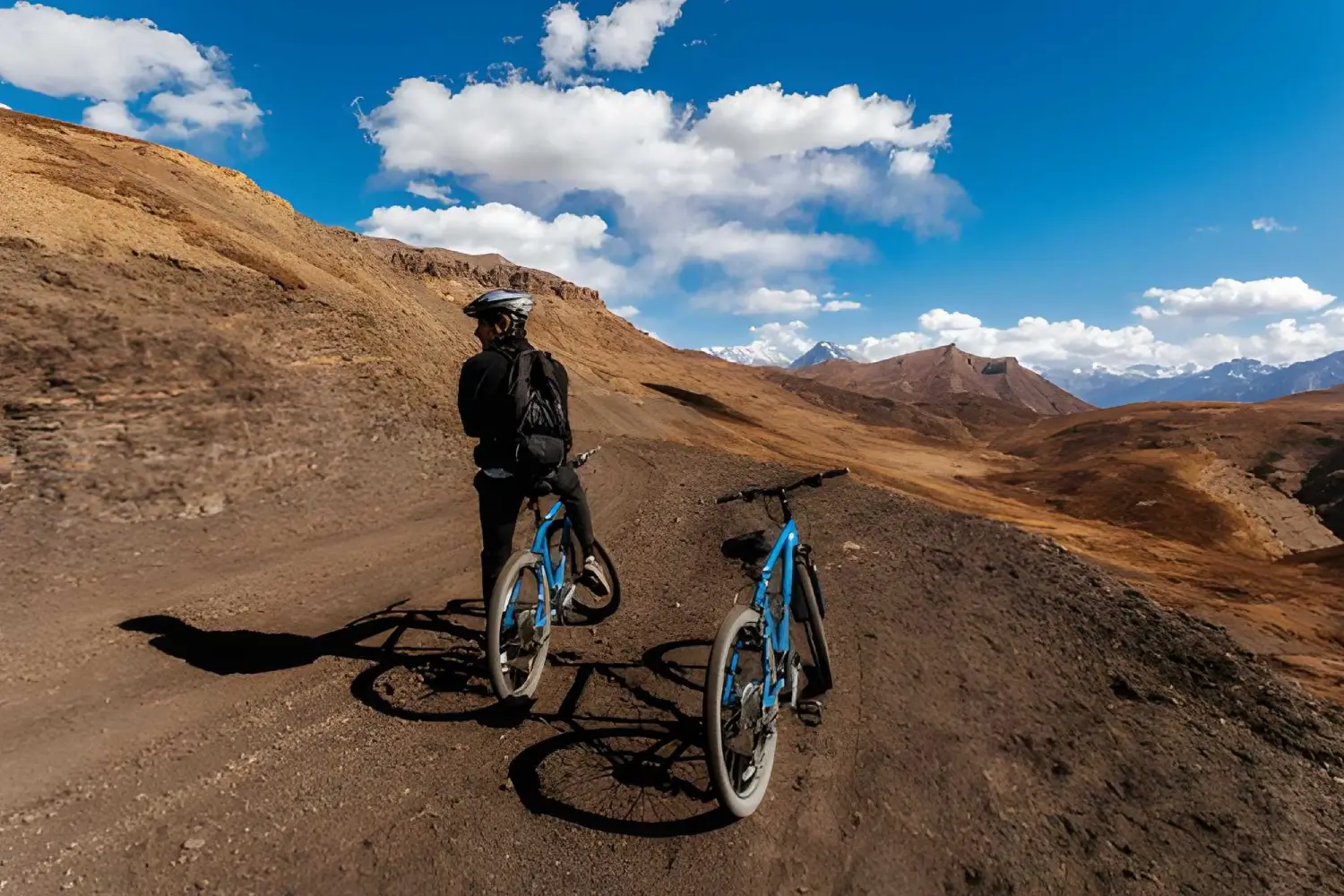
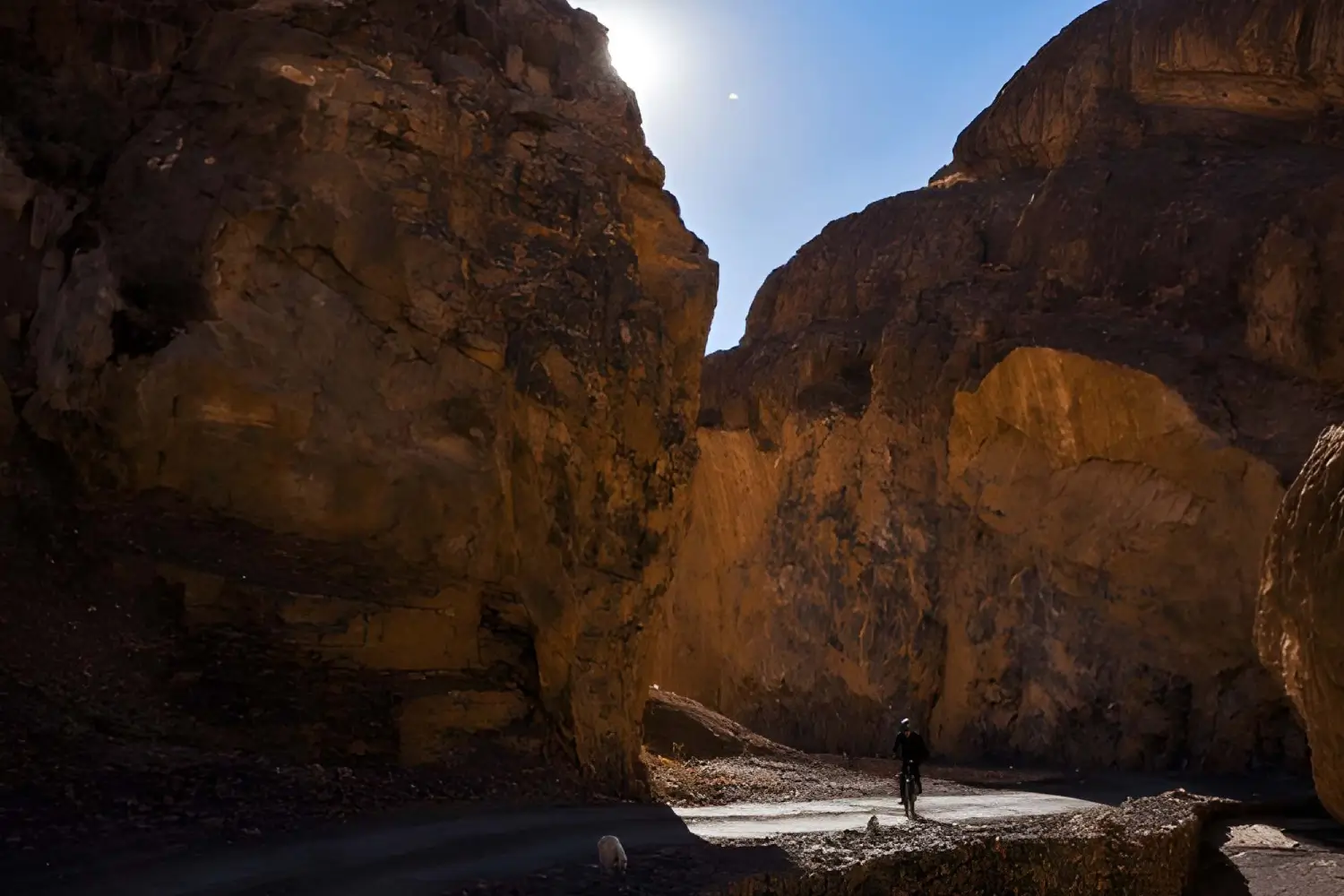
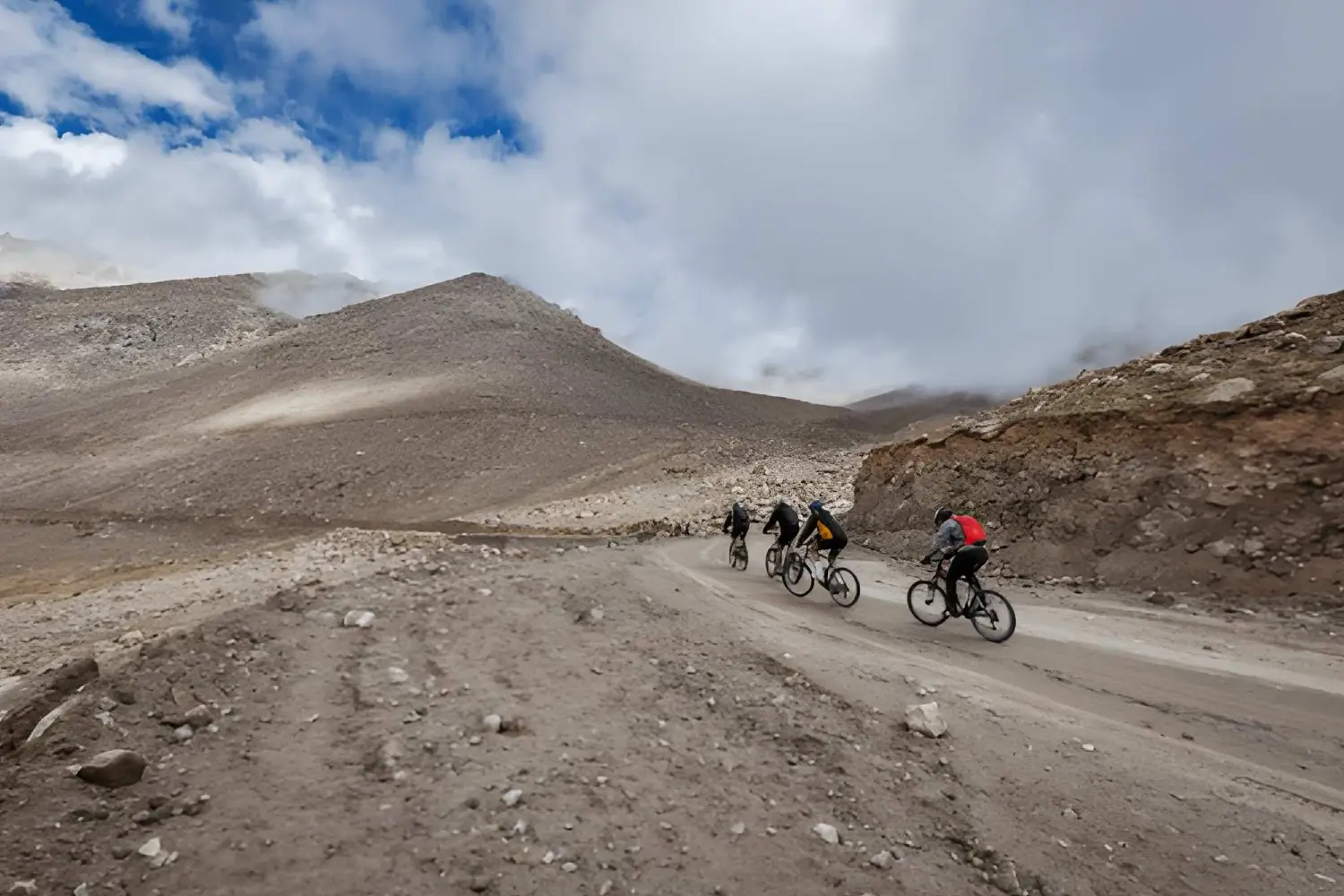
The Himachal mountain biking adventure isn't for the faint-hearted; it's for riders who crave the crunch of gravel beneath their tires, the burn in their legs on steep climbs, and the rush of crisp mountain air with every descent. In Himachal, trails aren't just routes on a map; they're living challenges shaped by altitude, weather, and rugged Himalayan terrain.
One day, you might be pedaling past apple orchards in Kinnaur, the scent of ripe fruit hanging in the air, and the next, grinding through the stark, otherworldly highlands of Spiti Valley. In Kangra, trails weave through endless tea gardens, while in Kullu, pine forests adorn the paths. Along the way, cultural treasures enrich the ride: ancient monasteries like Tabo and Key in Spiti, ornate wooden shrines such as Hadimba Devi Temple in Manali or Bhimakali in Sarahan, and timeless villages like Naggar that echo with Himachal's heritage.
Mountain biking in Himachal can mean pushing hard to conquer Jalori Pass, quads burning, before flying down switchbacks into valleys that unfold like film scenes. Or it can mean slowing the pace, dipping your hands in the icy Beas River, sharing a plate of momo at a roadside dhaba, or swapping stories with locals over steaming chai.
Our Himachal mountain biking tours are designed to immerse you fully in the Himalayas, its landscapes, culture, and raw adventure. Every trail tells a story, every climb tests your grit, and every descent rewards you with the unmatched freedom only a mountain bike can deliver.
Upon arrival at Delhi Airport, meet our representative and transfer to the hotel for an overnight stay.
Board the morning Shatabdi Express to Chandigarh. Arrive at Chandigarh at 1100 hrs and drive to Barog. Cycling begins after lunch in Barog. Continue to Shimla for an overnight stay.
About 80 km from Shimla on the old Hindustan - Tibet road lies Kotgarh, a region that holds a special place in Himachal's history. In 1916, Samuel Stokes, a social worker from Philadelphia, brought the first apple saplings to Kotgarh, the place he made his home. The original 'Starking Delicious' apple orchards planted by him still thrive here. Overnight stay in tents.
Ride to Sarahan, famous for its Himalayan views and the Bhimakali Temple. Overnight stay in a hotel.
The Gods were indeed generous while shaping Sarahan. Located halfway up a high mountainside, the road winds past flowering pine forests that give way to majestic oaks. Fields, orchards, and slate - roofed village homes create scenes of pastoral perfection. Above Sarahan, dense deodar forests rise along the slopes, and higher still, around Bashal Peak, are birch trees, wildflowers, and rare medicinal herbs.
For six months of the year, the valleys of Kinnaur and Spiti emerge from their thick winter snow to reveal a hidden world. Your journey into the lesser-known Himalayas begins in the beautiful Sangla Valley. Overnight stay in tents.
A day for relaxation and exploration. You can walk to Rakcham village (the signature walk of the valley) or ride to Chitkul, the last inhabited village before the Indo-Tibetan border (20 km one way).
Once known as Chini during its days as the regional capital, Kalpa has changed very little over the last 500 years. It is said that whenever Lord Dalhousie sought a break from his hectic schedule in Shimla, he would ride here on horseback. Overnight stay in Kalpa.
After breakfast, cycle towards Pooh. This small village in the Spiti region also has a modest cantonment area. Overnight stay in Pooh.
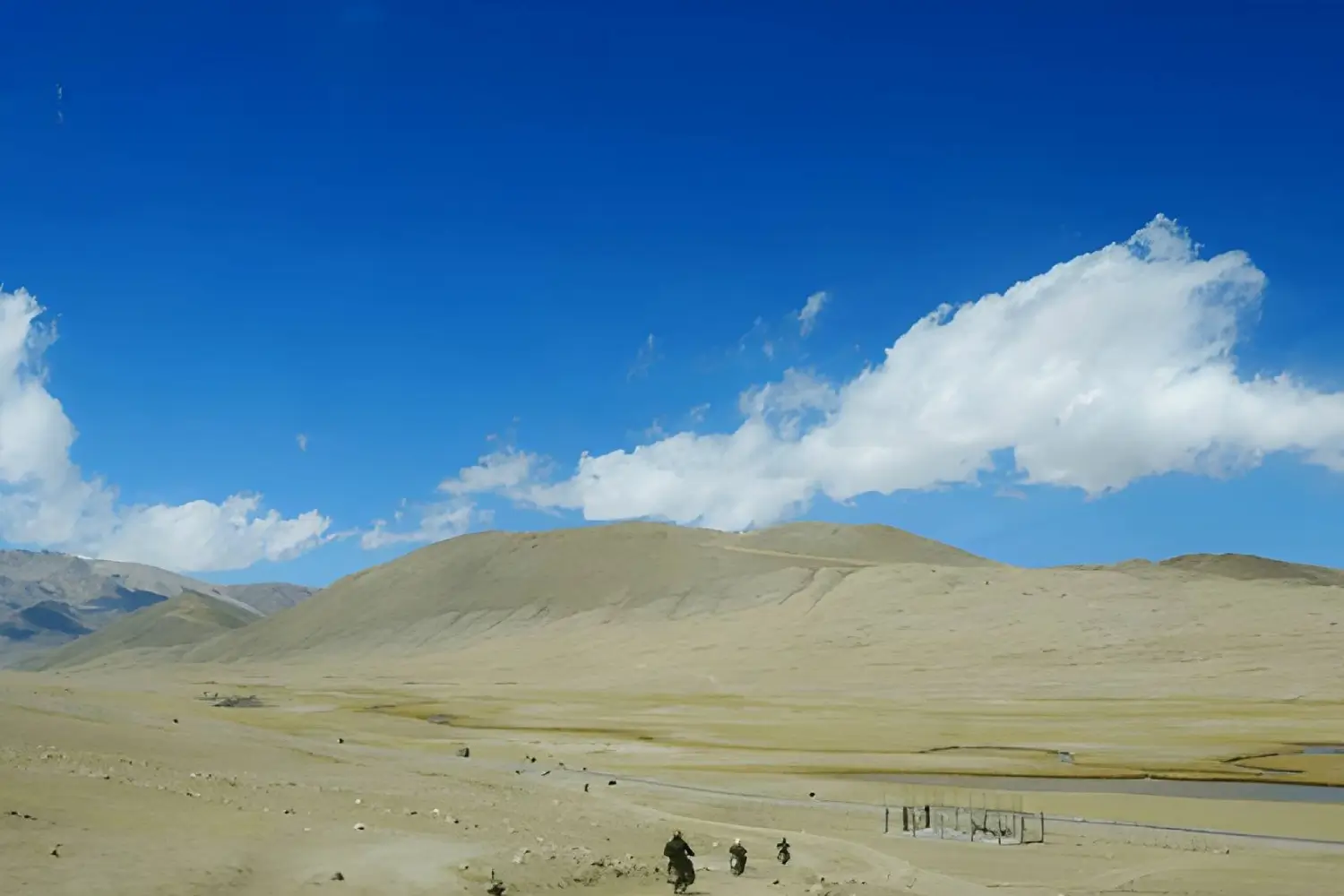
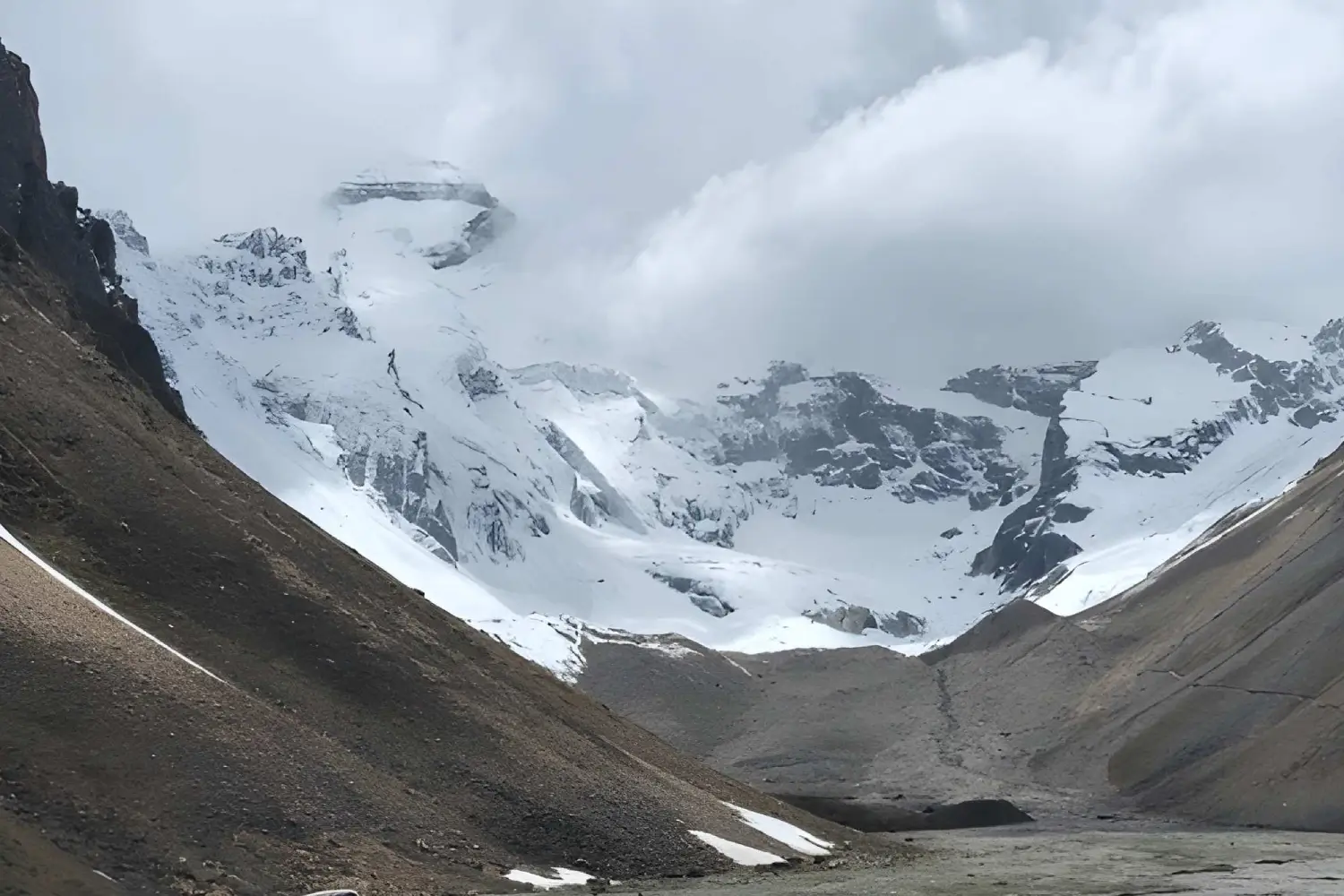
Today you enter the Spiti Valley. The dramatic change in landscape—from lush Kinnaur to stark cold-desert mountains, fast-flowing rivers, and icy winds—will leave you breathless.
At 10,500 ft lies Tabo, home to the second-most important Buddhist monastery in the Himalayas, the 1008-year-old Tabo Gompa. It is believed to be the place where the Dalai Lama wishes to retire. Overnight stay in Tabo.
Kaza, the capital of Spiti Valley, awaits you. Rudyard Kipling described Spiti in Kim as “a world within a world… surely the Gods live here.” Overnight stay in Kaza.
After breakfast, visit Ki Monastery, Kibber, and Gete village. Later, return to Kaza for an overnight stay.
Ki Monastery belongs to the Gelugpa sect. Its hilltop location suggests it was built after the 13th century. The three-story structure includes storage rooms, an assembly hall (Dukhang), and a temple with the head lama's quarters. Its most prized treasures are the ancient Thangkas, preserved despite invasions by the Dogras and Sikhs in the 19th century.
A scenic drive then takes you to Kibber, known for its vast pastures spread across hundreds of square kilometers. From Kibber, continue 6 km further to Gete, a tiny village of just six houses, famous for being one of the highest motorable villages in Asia.
A long day of riding across the cold desert of Spiti. Overnight camping in Losar.
Cross the 4500 m high Kunzum La to enter the Lahaul region of Himachal Pradesh. At Gramphoo, the Chandra and Bhaga rivers meet to form the Chandrabhaga River. Overnight stay in Gramphoo.
Ride over the 3800 m Rohtang Pass and enter the lush green Kullu Valley. Today's journey takes you from the barren landscapes of Lahaul to the forested slopes of Manali. Overnight stay in Manali.
After breakfast, enjoy sightseeing in Manali town. In the evening, board an AC luxury Volvo coach to Delhi. Overnight journey.
Arrive in Delhi in the morning and transfer to the airport for your onward flight.
For a detailed itinerary, expedition plan, and pricing, click the “Book” button below and share your requirements. We will get back to you at the earliest possible.
10 Days
|Garhwal
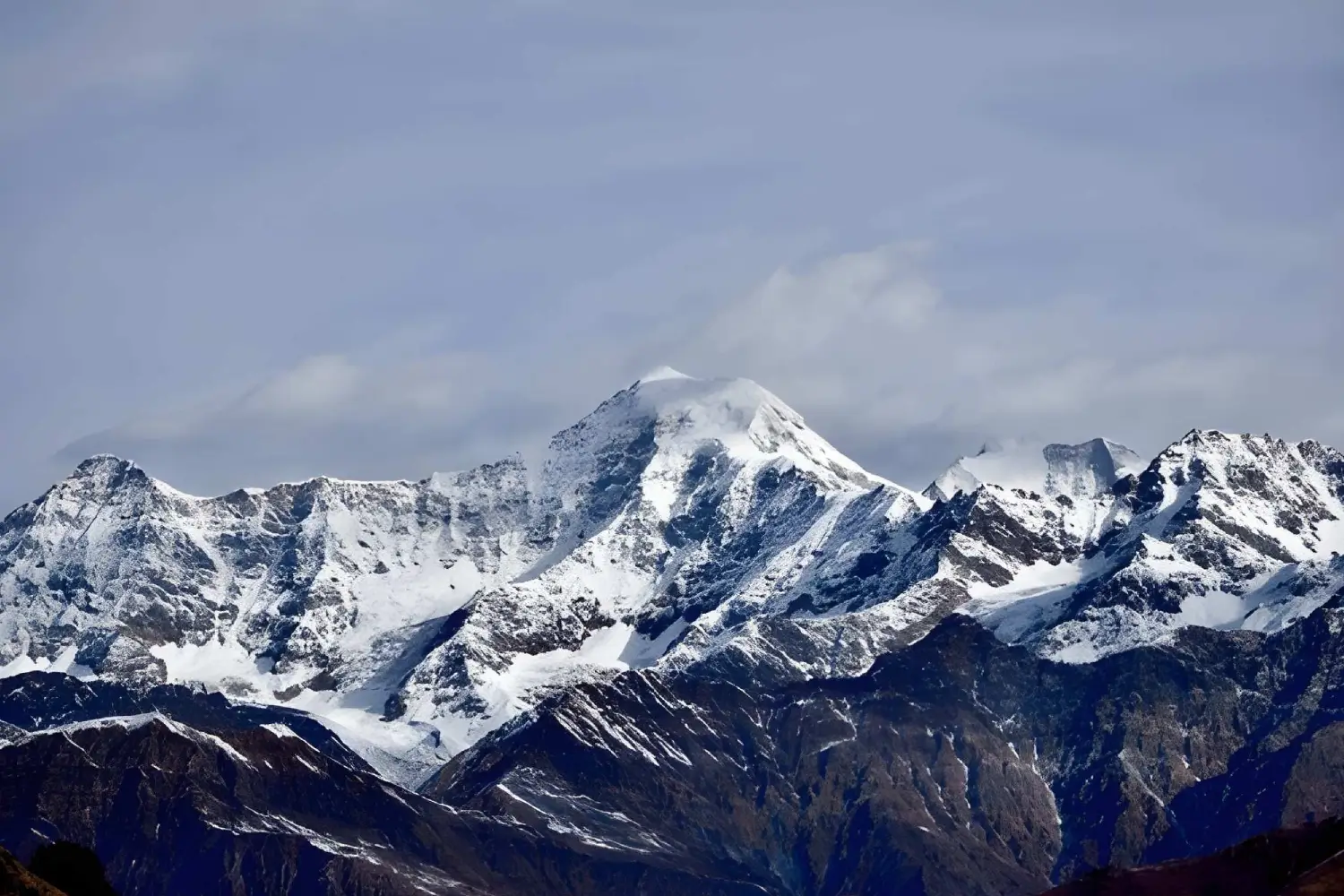
The Garhwal Himalayas are built for riders chasing freedom, raw terrain, and the pulse of adventure in its purest form.
Starting from $ 1265 / Per person
16 Days
|Himachal
The Himachal mountain biking adventure isn't for the faint-hearted; it's for riders who crave the crunch of gravel beneath their tires,
Starting from $ 1275 / Per person
10 Days
|Kumaon
Kumaon is a region where the pine trees whisper, old paths weave through forgotten hamlets, and the far-off Himalayas remain a perpetual sight.
Starting from $ 1185 / Per person