Tough Treks in the Indian Himalayas - Challenging but Immensely Rewarding
Tough treks in the Indian Himalayas demand far more than enthusiasm. These routes test physical endurance, technical ability, acclimatisation discipline, and mental resilience across extreme terrain. From glacier crossings and high mountain passes to prolonged exposure at altitude, the Himalayas offer a small but serious set of treks designed for experienced trekkers seeking genuine challenge rather than comfort.
The following treks are considered among the toughest routes in the Indian Himalayas due to altitude, terrain complexity, technical demands, and sustained physical effort.
Panpatia Col Trek
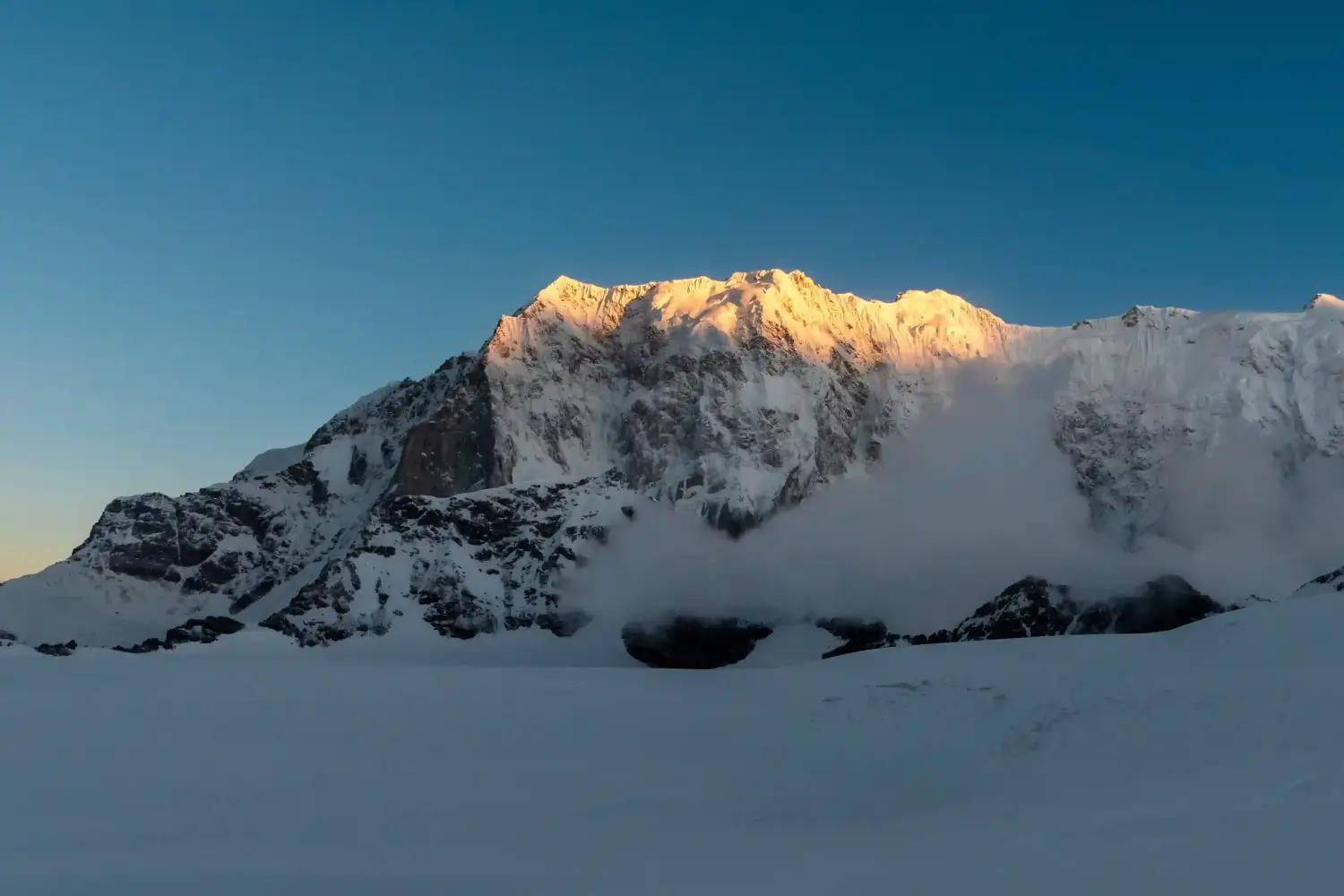
Whenever trekking comes to mind, people generally imagine snow - dressed landscapes. The fun and thrill that a white canvas renders is matchless, and the best way to experience adventure cradled in snow is by embarking on the Panpatia Col Trek.
Replete with moraines, crevasses, and snowfall, the Panpatia Col Trek is perfect for ice trekking. Perched at an elevation of 5,260 meters (17,257 feet), this trekking expedition commences from the pious land of Badrinath. After paying homage at the main shrine, trekkers head off on a journey that takes them through rugged up - and - down terrain.
The main attractions of the trail include the spectacular Panpatia glaciers and snowfields. The magnificence of these natural wonders is exceptional; they transform this action - packed trek into a walk through a fairy - tale land blanketed in pristine snow.
During the trek, views of the majestic Chaukhamba and Nanda Devi peaks leave trekkers spellbound. Multiple camping sites have been included in the itinerary, offering unforgettable memories to cherish forever. The final destination is Chopta, from where trekkers can continue to Kedarnath.
- Best Season : May, June, September, and October
- Maximum Altitude : 5,260 meters (17,257 feet)
- Difficulty : Challenging
- Duration : 10 - 12 Days
Chadar Trek (Frozen River Trek)
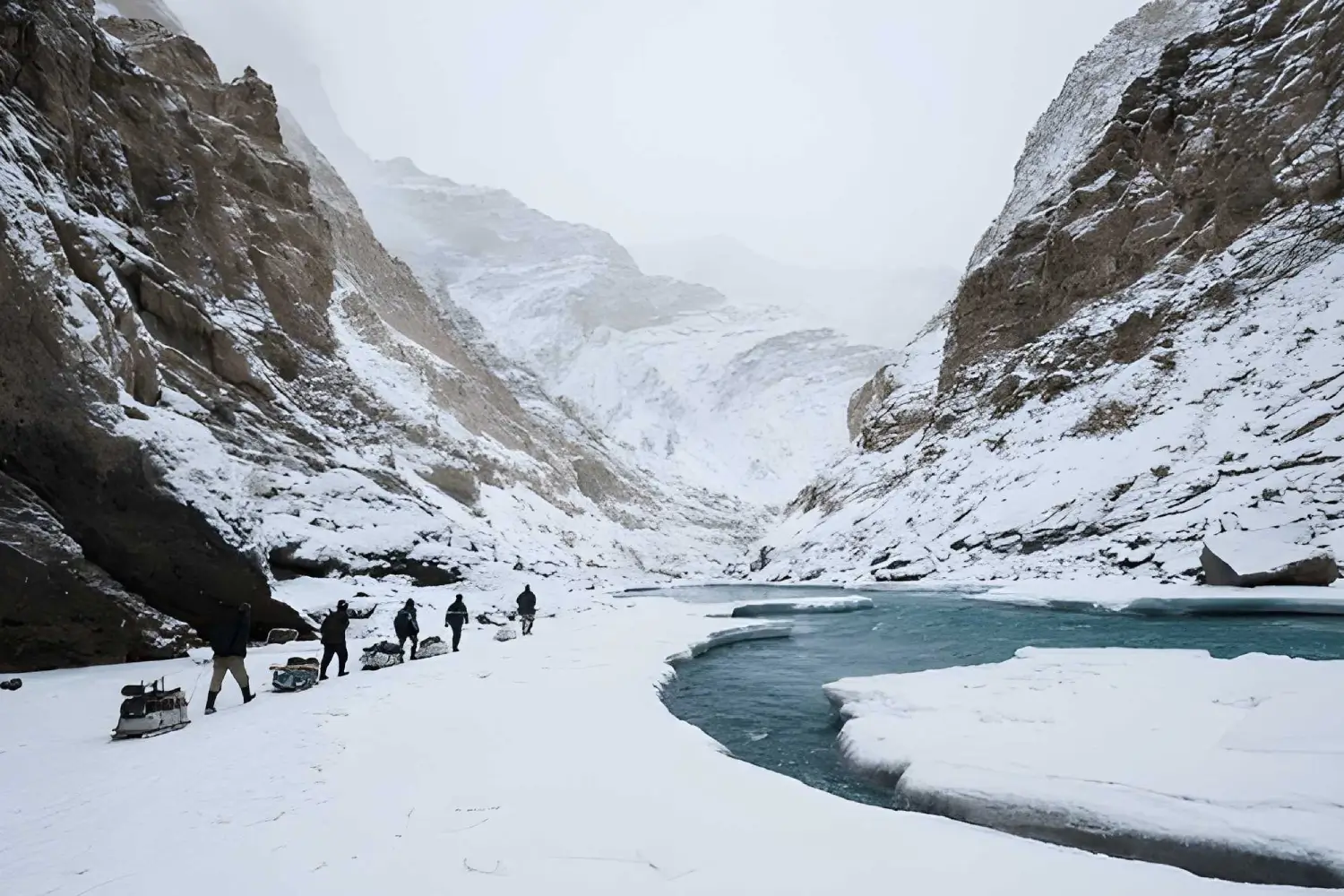
Have you ever imagined trekking on a frozen river? The Chadar Trek, also known as the Frozen River Trek, offers an unforgettable experience walking on the frozen Zanskar River. This legendary trek is regarded as one of India's most challenging winter expeditions, primarily due to extreme cold conditions and unpredictable ice formation.
The river typically freezes from mid - January to mid-February, creating the iconic "chadar" (blanket of ice) that gives the trek its name. However, climate change has increasingly affected ice stability in recent years. The trek traditionally commenced from Chilling and ended in the picturesque Zanskar Valley, though recent road construction has shortened the accessible route.
Detailed planning and research are essential for this extreme expedition, as temperatures range from - 20°C to - 35°C, with nighttime lows plummeting to - 40°C. Daytime temperatures typically range from - 5°C to - 15°C. It's crucial to trek with experienced and professional guides who understand the route's challenges and safety requirements.
The trek requires mandatory acclimatization of at least 48 hours in Leh (at 3,500 meters) before commencing, along with a medical check - up. Highlights include the stunning frozen Nerak Waterfall and natural cave shelters like Tibb Cave.
- Best Season : Mid - January to mid - February
- Maximum Altitude : 3,400 meters (11,150 feet)
- Difficulty : Extremely challenging
- Duration : 06 - 09 Days
- Special Requirements : Prior high - altitude trekking experience strongly recommended, mandatory medical clearance, registration with LAHDC Leh
Kalindi Khal Trek
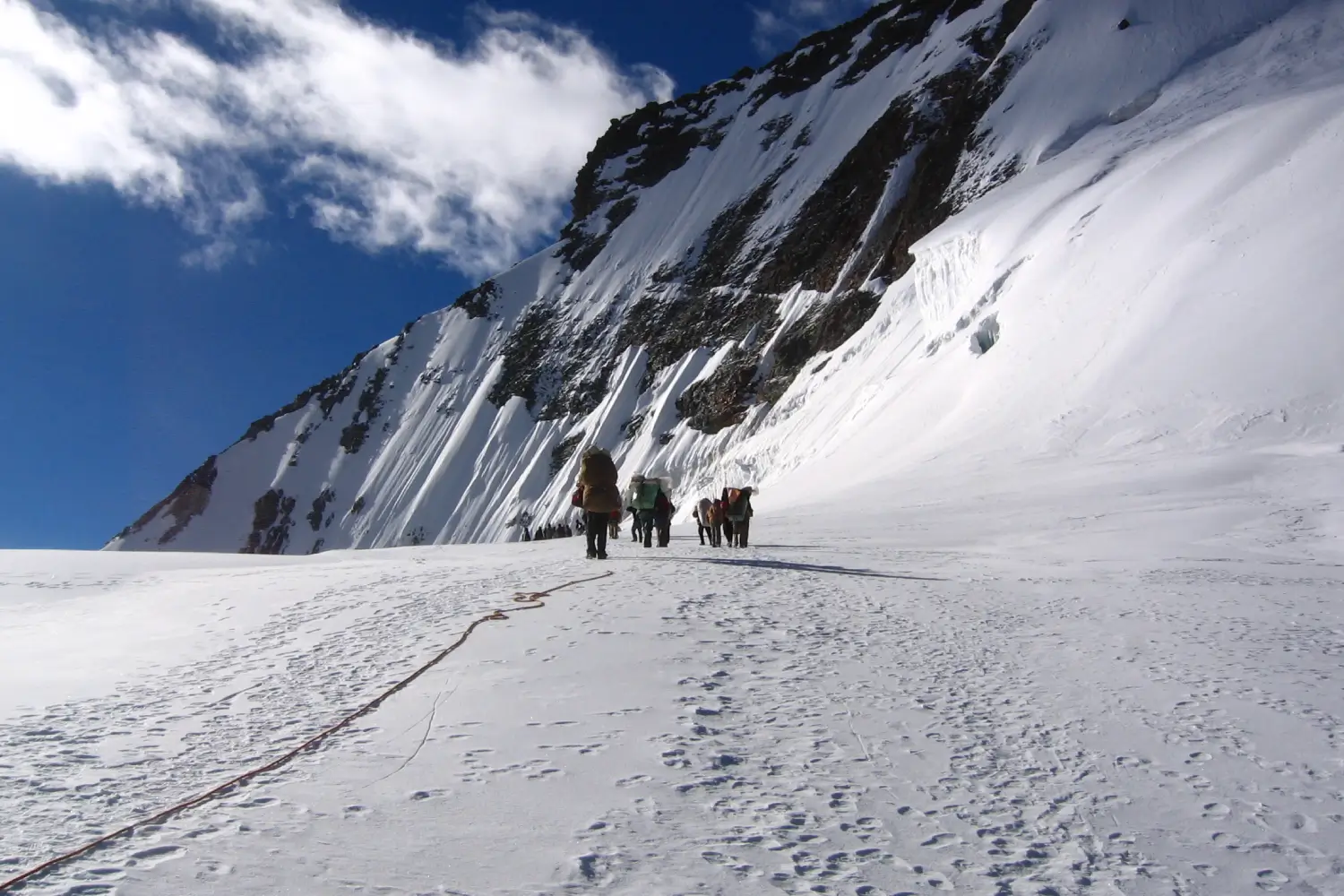
The Kalindi Khal Pass Trek is considered one of the most challenging treks in the Garhwal region. Located at an altitude of 5,946 meters (19,511 feet), this expedition connects two major Hindu pilgrimage destinations, beginning from Gangotri and ending at Badrinath.
During this demanding trek, adventurers witness enchanting places, including Gaumukh (the source of the Ganges), Nandanvan, Vasuki Tal, and the formidable Kalindi Khal pass itself. The route is replete with snow, glaciers, and massive boulders, offering never - ending excitement.
The beautiful sight of various peaks, including Satopanth, Vasuki, and Bhagirathi, mesmerizes trekkers. This trek requires excellent physical fitness, prior high - altitude experience, and technical mountaineering skills, including glacier navigation and crevasse crossing.
- Best Season : July and August
- Maximum Altitude : 5,946 meters (19,511 feet)
- Difficulty : Extremely challenging (technical trek)
- Duration : 16 - 18 Days
- Special Requirements : Mountaineering equipment, experienced guide, rope team
Auden's Col Trek
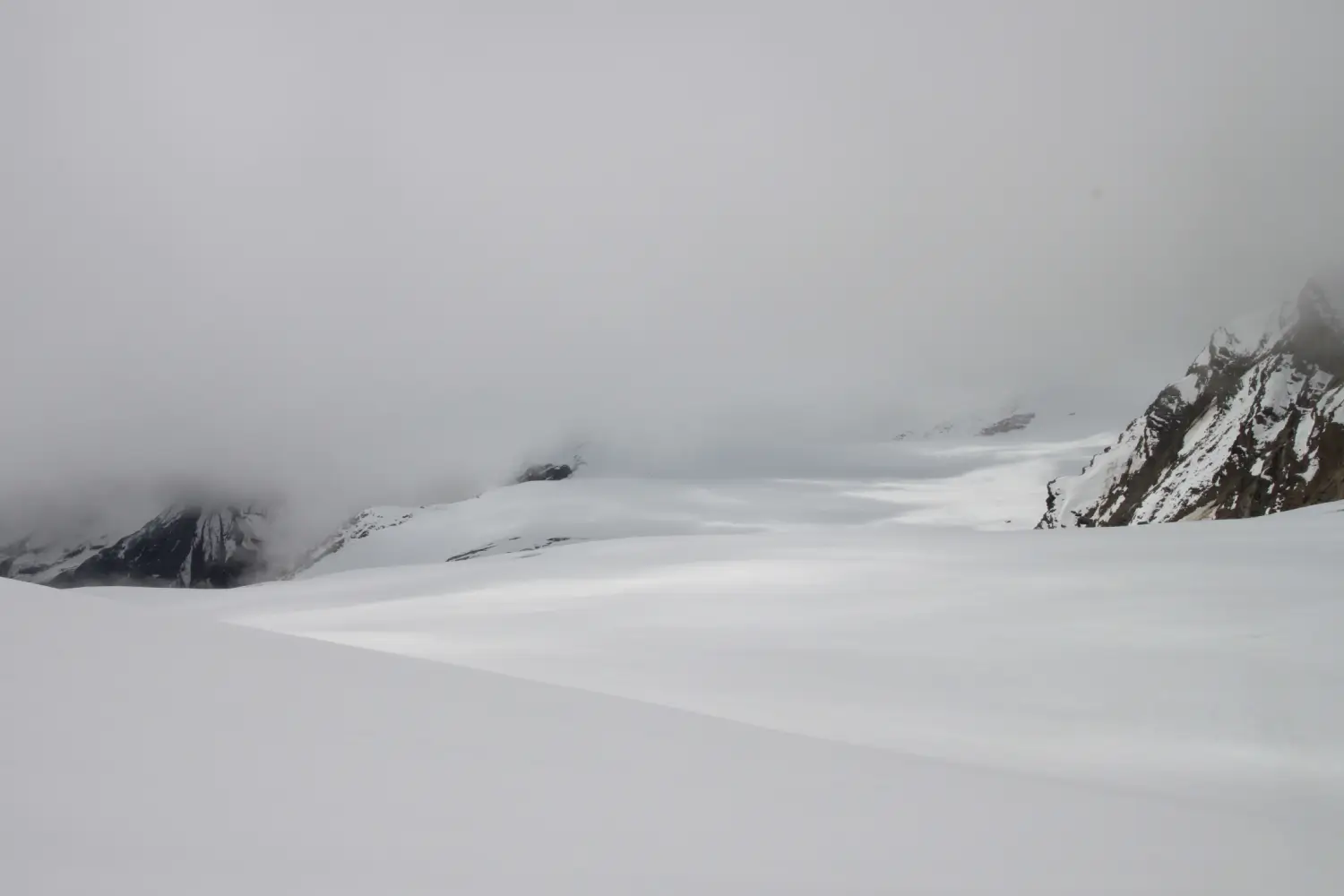
Situated at an altitude of approximately 5,450 meters (17,880 feet), Auden's Col tests the patience, endurance, and technical skills of trekkers. It's regarded as one of the most challenging treks in Garhwal, joining the Gangotri III and Jogin ridges along with the Khatling and Jogin I glaciers.
This trek is considered exceptionally difficult due to the presence of deep crevasses that require expert navigation skills. Crossing these crevasses demands exceptional mountaineering technique, rope work, and technical proficiency.
The expedition commences from Gangotri, and trekkers pass through dense pine and birch forests in the initial stages. The spectacular view of snow-capped Himalayan peaks provides an ultimate delight for visitors willing to tackle this formidable challenge.
- Best Season : June, mid - September to mid - October
- Maximum Altitude : 5,450 meters (17,880 feet)
- Difficulty : Extremely challenging (technical)
- Duration : 14 - 16 Days
- Special Requirements : Advanced mountaineering skills, glacier travel experience, technical equipment
Nandi Kund Trek
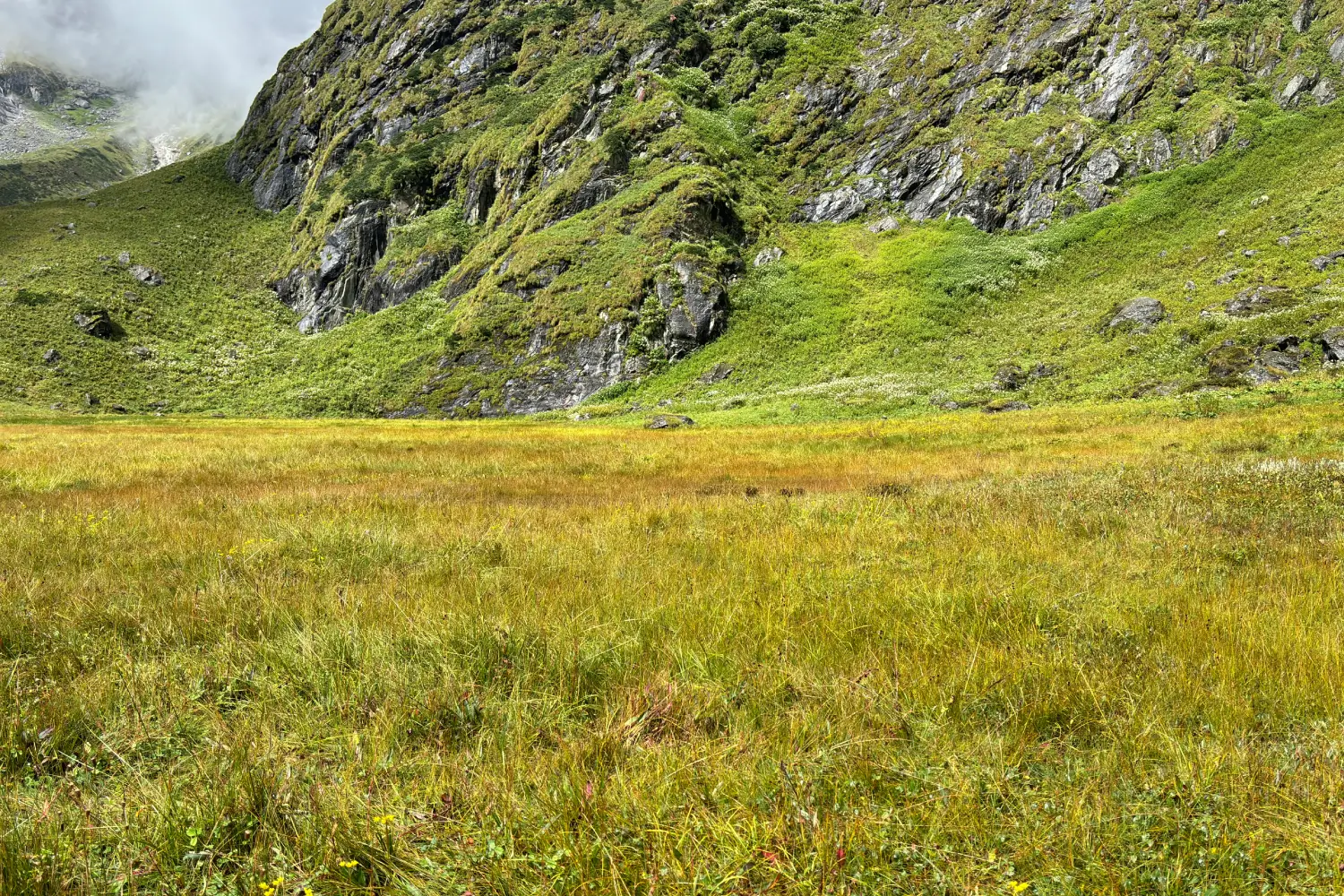
Nandi Kund, located at an altitude of 4,800 meters (15,748 feet), takes adventure enthusiasts through verdant landscapes to snow-fed peaks. The trek starts from Madhyamaheshwar and concludes at Kalpeshwar, a prominent holy destination where Lord Shiva is worshipped in the form of 'Jata' (matted hair).
An interesting aspect of this trek is that the surrounding forests are considered sacred by locals, with legends stating they belong to the Pandavas from the Mahabharata epic. This trek is challenging, as visitors must overcome numerous obstacles, including large boulders and steep descending slopes.
Despite its difficulty, the trek offers rewarding experiences, including lush forests, magnificent villages, pristine lakes, and exotic wildlife viewing opportunities.
- Best Season : May, June, September, and October
- Maximum Altitude : 4,800 meters (15,748 feet)
- Difficulty : Challenging
- Duration : 08 - 10 Days
Trans Zanskar Trek
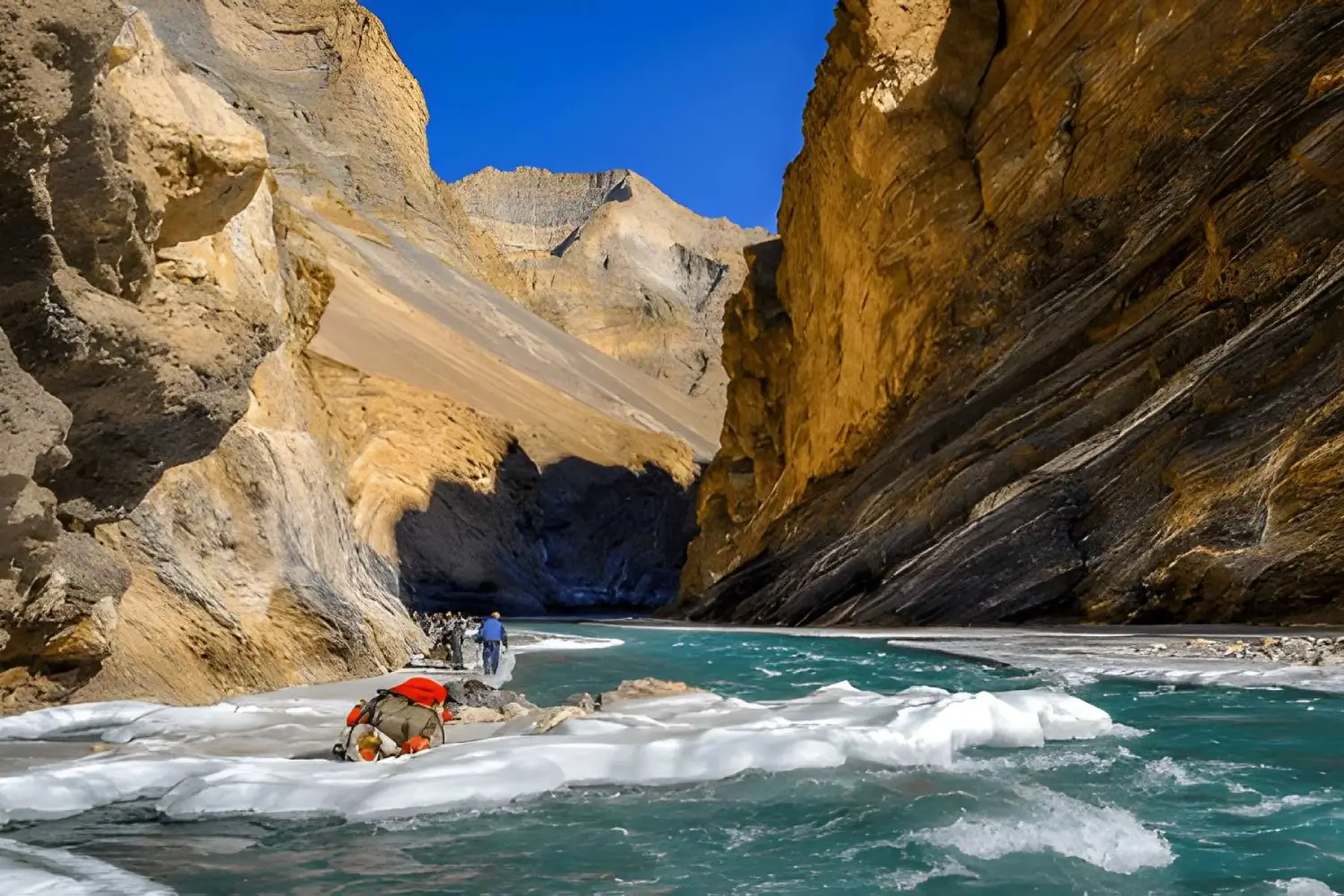
Nestled in Ladakh, the Trans Zanskar Trek presents formidable challenges, including heavy snowfall that covers the entire region and extremely low temperatures. The trek typically starts from Darcha, where visitors must navigate high peaks, rugged terrains, steep mountain climbs, and numerous water stream crossings.
During this expedition, trekkers encounter remote villages and traditional monasteries and meet the friendly Zanskari people, experiencing their unique culture and hospitality. The trek showcases the stark beauty of the Trans - Himalayan landscape.
- Best Season : July to September
- Maximum Altitude : Varies (typically 4,500-5,000 meters)
- Difficulty : Challenging
- Duration : 12 - 15 Days
Green Lake Trek, North Sikkim
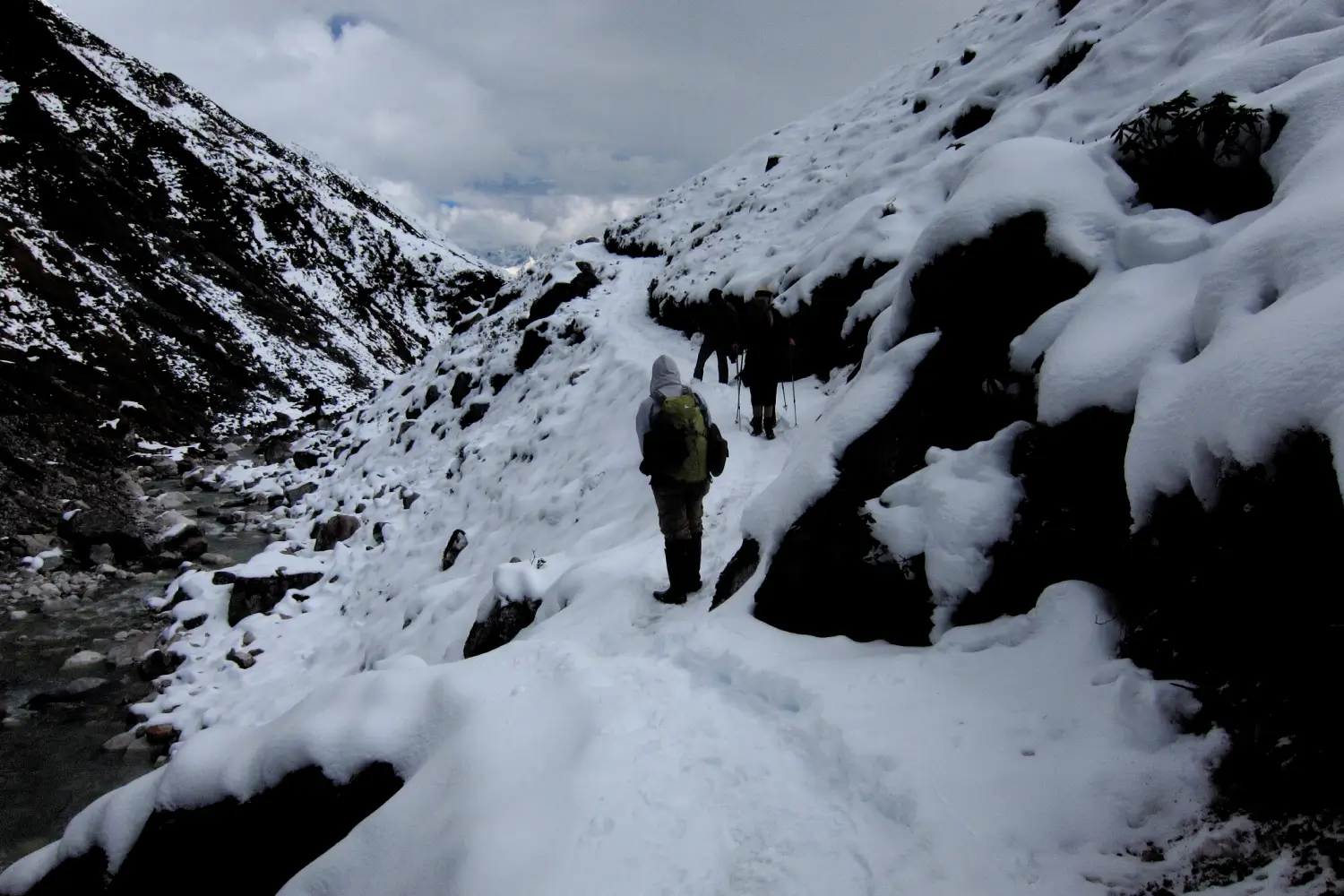
This spectacular trek is nestled at an altitude of approximately 5,000 meters (16,404 feet) at the base of the incredible Mount Kanchenjunga, the world's third - highest peak. The route offers captivating views of towering mountains, hot water springs, and dense forests abundant with colorful flowers and rare wildlife species.
The Green Lake Trek offers endless adventure and unforgettable memories. While the trek tests your endurance levels significantly, the effort pays off magnificently when you witness nature's awe - inspiring beauty up close. The journey takes you through pristine rhododendron forests, alpine meadows, and glacial landscapes.
- Best Season : Mid - April to May, September to mid - October
- Maximum Altitude : 5,000 meters (16,404 feet)
- Difficulty : Challenging
- Duration : 13 - 15 Days
- Special Requirements : Inner Line Permit, restricted area permit
Pin Parvati Pass Trek
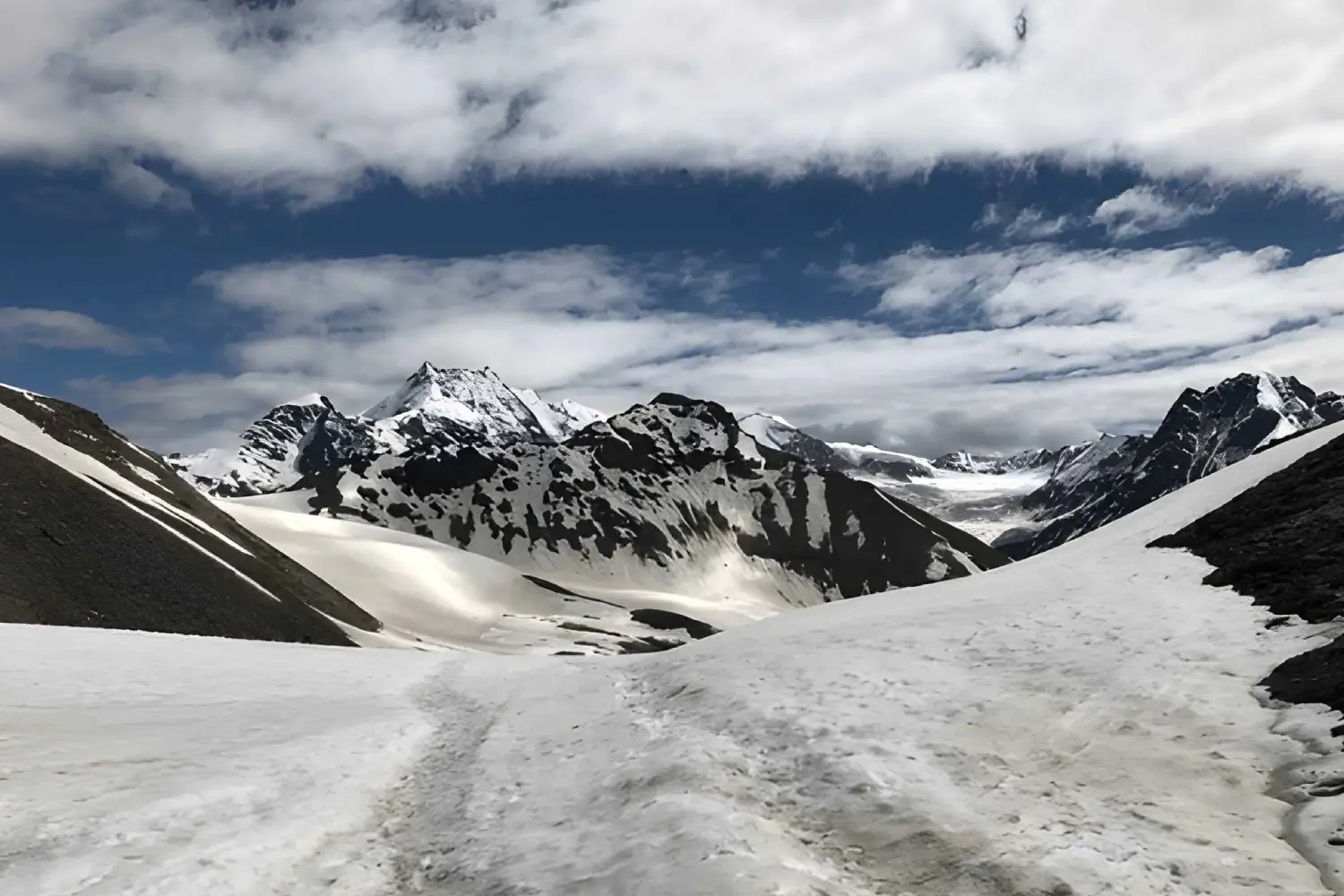
Considered one of the most challenging trans - Himalayan crossover treks, the Pin Parvati Pass Trek begins from Barshaini (Manikaran area) and traverses through forests, stunning peaks, and remote villages. This remarkable journey takes trekkers from the lush green Parvati Valley in Kullu to the stark, arid landscapes of the Pin Valley in Spiti.
The trek requires navigating over glaciers in the Parvati Valley and eventually crossing the Pin Parvati Pass, perched at an altitude of approximately 5,319 meters (17,450 feet), the highest point of the expedition. The pass connects two completely different worlds: the abundant, monsoon - fed Parvati Valley and the cold desert of Spiti.
Important Considerations : This trek involves hazardous river crossings (including the famous Pandu Pul boulders), extensive glacier travel, steep ascents and descents, and challenging route - finding through moraine fields. The trek is suitable only for experienced trekkers who have completed at least 2 - 3 high - altitude treks above 4,000 meters.
Highlights include natural hot springs at Kheerganga, the source of the Parvati River; scenic camping at Mantalai Lake; spectacular views of snow - capped peaks, including Kullu Eiger; and exposure to diverse Himalayan cultures.
- Best Season : Late June to early July (pre - monsoon), September (post - monsoon)
- Maximum Altitude : 5,319 meters (17,450 feet)
- Difficulty : Extremely challenging (expedition - grade)
- Duration : 10 - 12 Days
- Special Requirements : Prior high - altitude experience, technical skills, good fitness level
Note : Monsoon months (late July - August) should be avoided due to intense rainfall making route-finding difficult.
Bara Bhangal Trek
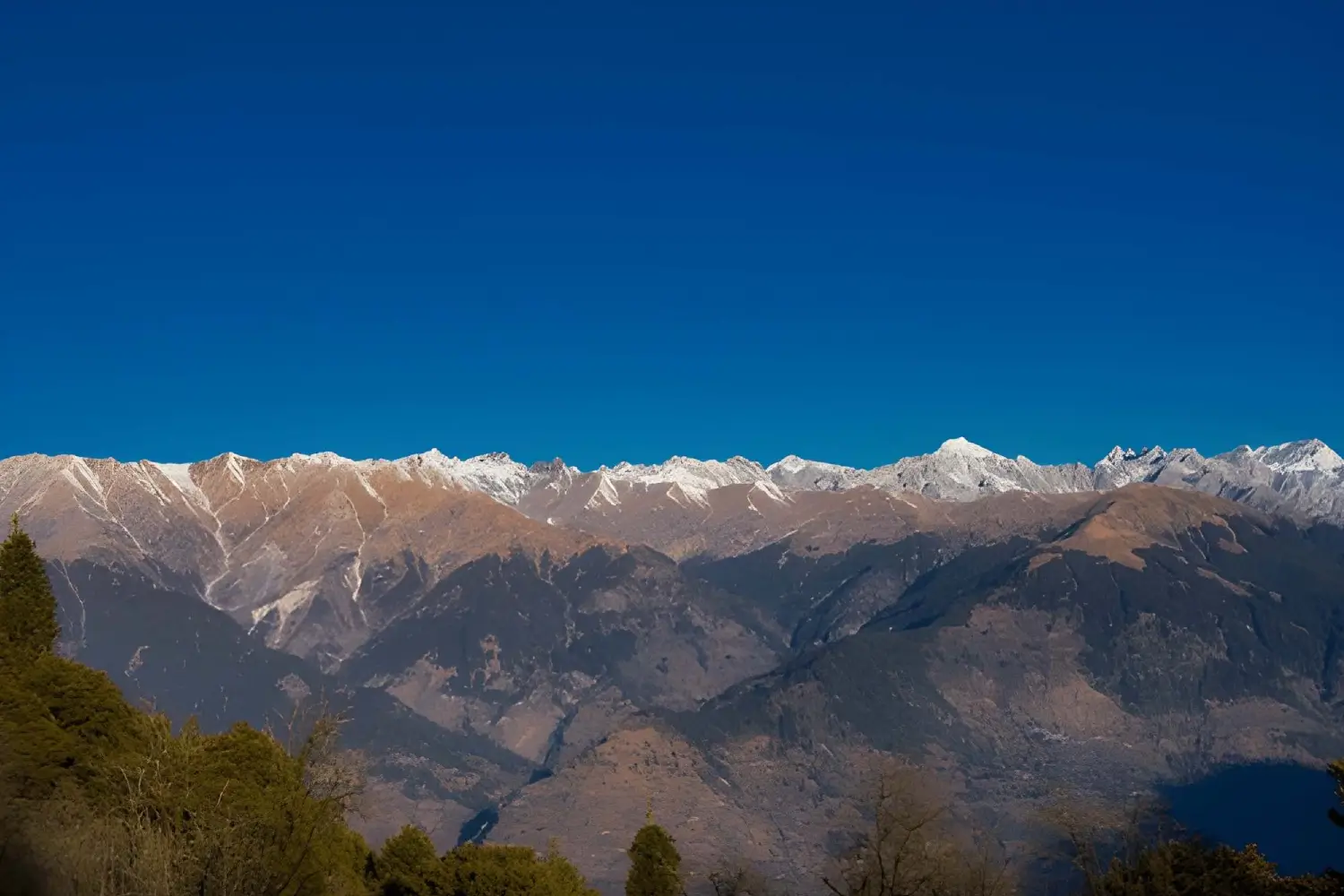
The Bara Bhangal Trek takes trekking enthusiasts to the remote regions of Himachal Pradesh. Bara Bhangal is a magnificent isolated village, and reaching it requires crossing mountain passes, trekking through dense forests of pine, deodar, and birch, and fording numerous streams.
Visitors are mesmerized by the bewitching beauty of glaciers and majestic mountains along the route. Beyond natural wonders, trekkers experience the unique culture of Bara Bhangal village, taste authentic local cuisines, and return with unforgettable memories of one of the most isolated Himalayan communities.
- Best Season : July to September
- Maximum Altitude : Approximately 4,600 meters (15,092 feet)
- Difficulty : challenging
- Duration : 10 - 12 Days
Permits & Best Time for Tough Himalayan Treks
Most tough treks in the Indian Himalayas require permits due to ecological sensitivity and proximity to international borders. Uttarakhand treks typically need forest permits and local registrations, especially for glacier-heavy routes such as Kalindi Khal and Auden's Col. Ladakh requires Inner Line Permits for routes like the Chadar Trek and Trans Zanskar, along with mandatory registration through local authorities. Sikkim enforces Protected Area and Restricted Area Permits, which must be arranged through authorised trekking agencies.
The most reliable seasons for challenging Himalayan treks are May - June and September - October, when weather conditions are relatively stable and snow bridges are more predictable. July and August suit select trans - Himalayan routes due to the rain - shadow effect, while winter treks are limited to specialised expeditions with experienced support teams.
Who Should Attempt Tough Himalayan Treks ?
- Experienced trekkers who have completed multiple high-altitude treks above 4,000 metres and understand acclimatisation protocols
- Technically trained trekkers comfortable with glacier travel, crevasse crossings, rope work, and steep ascents
- Physically conditioned individuals with strong endurance, balance, and load-carrying capacity
- Mentally prepared trekkers capable of handling isolation, unpredictable weather, and extended days in harsh terrain
- Trekkers travelling with certified guides and support teams, especially for expedition - grade routes
Essential Preparation for Tough Himalayan Treks
- Physical fitness : Begin endurance and strength training at least 2 - 3 months in advance
- Acclimatisation : Follow gradual altitude gain with mandatory rest days
- Technical gear : Mountaineering boots, crampons, harness, ropes, layered clothing
- Medical clearance : Mountaineering boots, crampons, harness, ropes, layered clothing
- Guides : Trek only with certified, region-experienced guides
- Insurance : Coverage must include high-altitude rescue
- Permits : Arrange ILP, RAP, and forest permits well in advance
Tough treks in the Indian Himalayas remain relevant because they were shaped by necessity long before they became adventure routes. From Garhwal's technical glacier crossings to Ladakh's frozen river corridors and Sikkim's remote alpine valleys, these trails demand preparation, discipline, and respect for natural limits.
For trekkers willing to train thoroughly and approach the mountains responsibly, these routes offer some of the most demanding and rewarding experiences anywhere in the Himalayas.
About Arun Joshi

A thoroughbred adventurer, Arun Joshi was born in the picturesque and landlocked district of Chamoli, Uttarakhand. He is well known for his close association with the Indian Himalayas for the past 16 years, and knows the region inside out. His vast knowledge and first-hand experience of trekking to the many challenging regions of the Indian Himalayas have also helped him to establish himself as the go-to guide in the region.
Recent Posts
5 Guided Treks in Uttarakhand to Try This Winter from January to March 2026
Feb 22, 2026
Famous Treks for Photography in the Indian Himalayas : A Visual Journey
Feb 10, 2026
15 Best Treks in Indian Himalaya for June and July
Jan 30, 2026
Top Treks in Sikkim To Make Your Summer 2026 Adventuresome
Jan 28, 2026
8 Best Monsoon Treks in the Indian Himalayas that You Must Do in 2026
Jan 15, 2026
Most Popular
8 Best Monsoon Treks in the Indian Himalayas that You Must Do in 2026
Jan 15, 2026
0 views
Top Treks in Sikkim To Make Your Summer 2026 Adventuresome
Jan 28, 2026
0 views
Famous Treks for Photography in the Indian Himalayas : A Visual Journey
Feb 10, 2026
0 views
5 Guided Treks in Uttarakhand to Try This Winter from January to March 2026
Feb 22, 2026
0 views
15 Best Treks in Indian Himalaya for June and July
Jan 30, 2026
0 views
Ultimate Himalayan Trekking Adventures Await
Join TrekkingInIndia.com for an unforgettable Himalayan journey through stunning mountains, peaceful valleys, and rich local culture.