Top 7 High - Altitude Treks of Sikkim
Sikkim attracts trekkers who want access to serious Himalayan routes without entering overcrowded corridors. The state sits along the eastern flank of the Himalayas, bordered by Nepal, Bhutan, and Tibet, and many of its trekking routes move directly toward the Kanchenjunga range. Permits regulate access, trails remain protected, and large sections fall inside national parks, which keeps the trekking experience controlled and focused.
High - altitude treks in Sikkim range between 1,700 metres and nearly 5,000 metres. The terrain changes from dense forest to open alpine zones, with clear altitude gain across days rather than sudden climbs. These routes suit trekkers who value consistency, strong mountain visibility, and long stretches away from road access. Together, these routes represent some of the most sought - after alpine treks in Sikkim, offering regulated access to the Kanchenjunga region and sustained elevation gain across protected Himalayan terrain.
Goecha La Trek
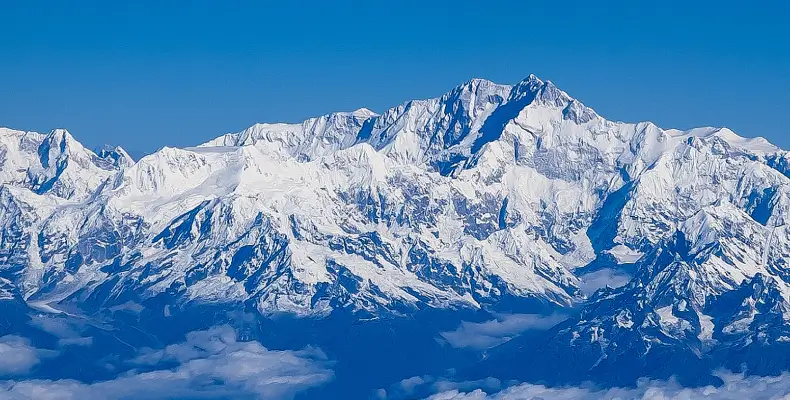
The Goecha La Trek stands among the most sought - after treks in West Sikkim. Starting from Yuksom, the trail climbs through forest corridors before opening into wide glacial valleys. Camps at Sachen, Tshoka, Dzongri, and Thangsing create a steady progression toward higher altitude.
Samiti Lake appears near the upper stretch of the trek and often reflects the surrounding peaks under clear conditions. The Goecha La viewpoint offers a direct face-to-face view of Kanchenjunga's southeast ridge, a reason many trekkers choose this route over others in the region.
- Start Point : Yuksom
- Maximum Altitude : 4,850 m
- Duration : 10 - 11 days
Green Lake Trek
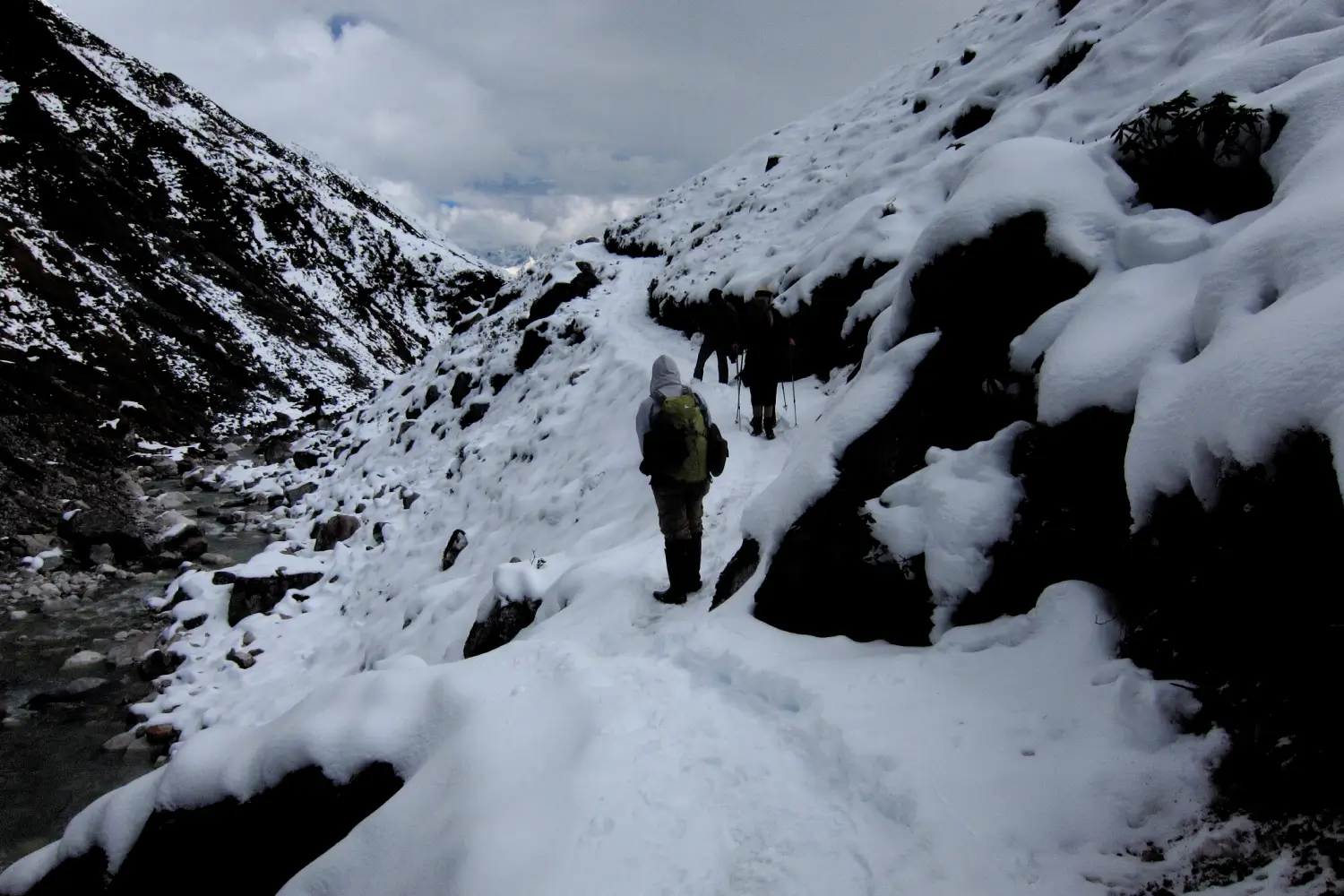
The Green Lake Trek operates at the edge of Sikkim's most restricted trekking zones. Located near the Zemu Glacier in North Sikkim, the route stays far from settlements and demands strong physical preparation.
The trail crosses dense forests, high river valleys, and exposed glacial terrain. Weather conditions shift quickly, and logistical planning plays a major role in the success of the trek. Among Sikkim's high - altitude trekking routes, Green Lake stands out for its remoteness, permit - controlled access, and expedition-style planning.
- Region : North Sikkim
- Maximum Altitude : 4,935 m
- Duration : 14 - 16 Days
Dzongri Trek
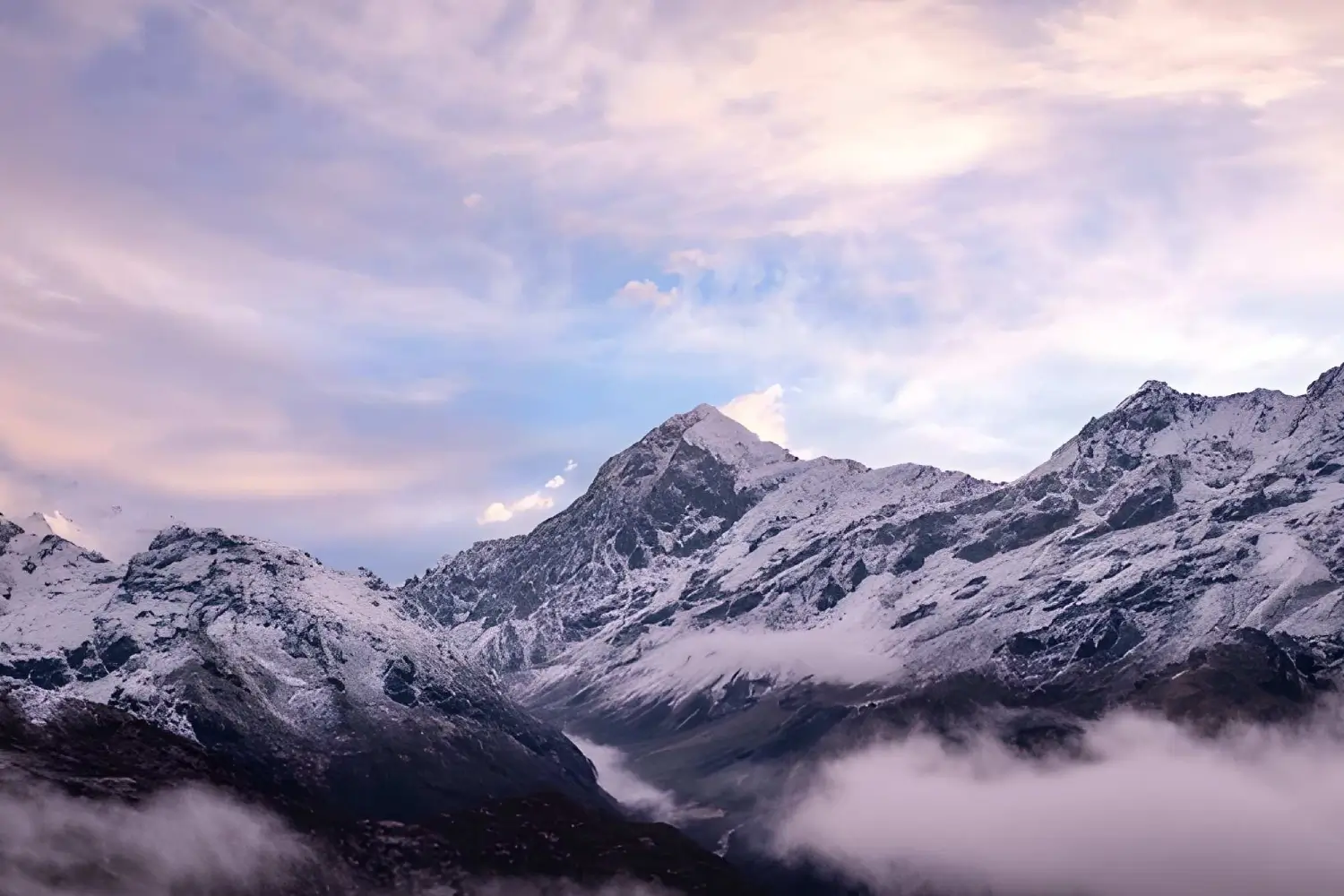
The Dzongri Trek offers a shorter high - altitude option without technical difficulty. The route climbs through oak and rhododendron forests before reaching open grasslands used by local yak herders.
Dzongri Top provides direct views of Kanchenjunga, Pandim, and surrounding peaks. The trek works well for first - time high - altitude trekkers or as a conditioning route before longer expeditions in Sikkim. This route is often chosen as an acclimatization - friendly option among Sikkim alpine treks.
- Maximum Altitude : 4,000 m
- Duration : 6 - 7 days
Yambong Singalila Trek
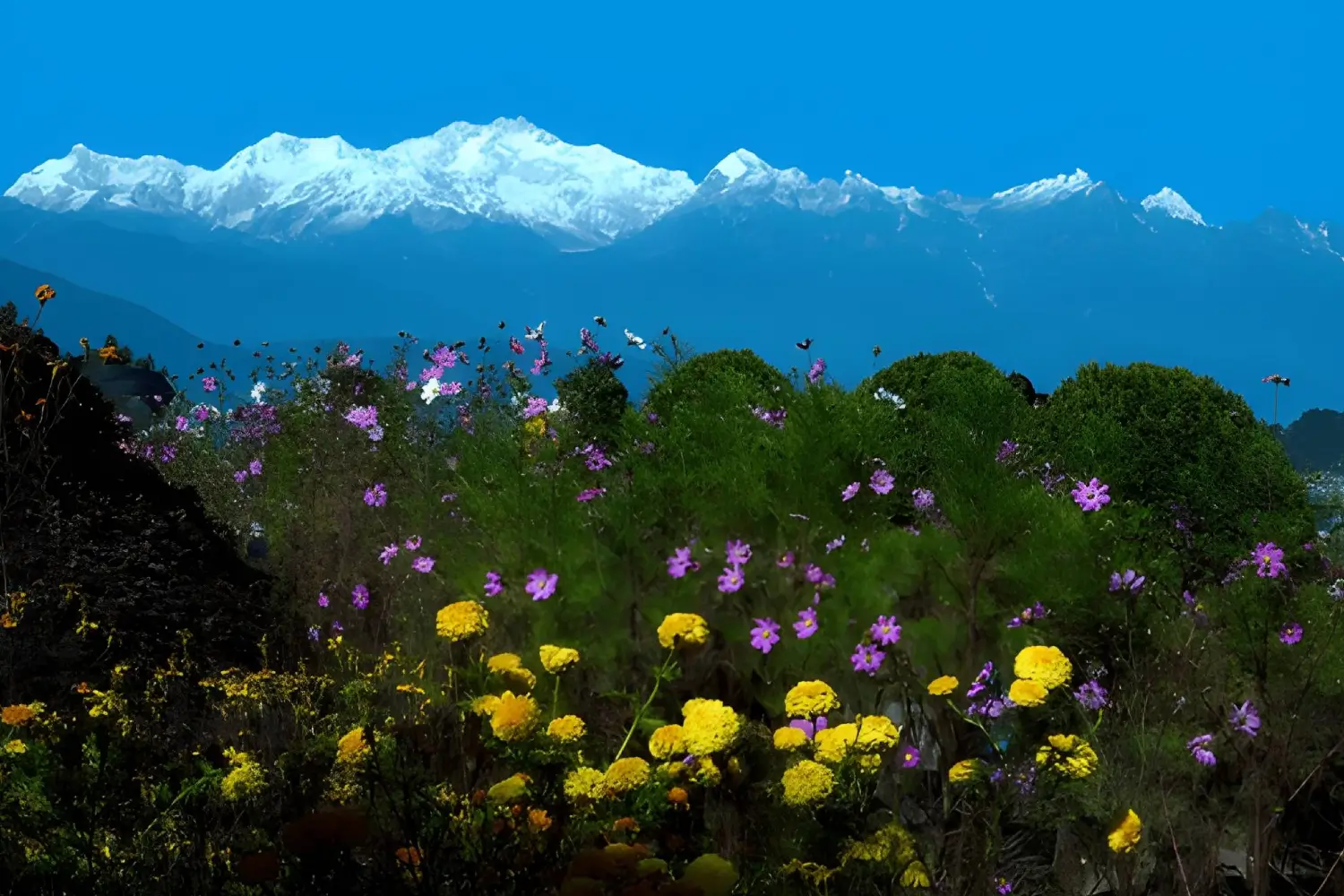
The Yambong Singalila Trek follows the Singalila Ridge along the India - Nepal border. The trail remains elevated for most of the journey, offering continuous mountain views without repeated elevation loss.
The Sandakphu marks the highest point of the trek and serves as a key viewpoint across the Himalayan range. The surrounding forests support rare wildlife, though sightings depend on timing and conditions rather than predictability.
- Highest Point : 3,636 m
- Duration : 08 - 09 days
Goecha La Kasturi Trek
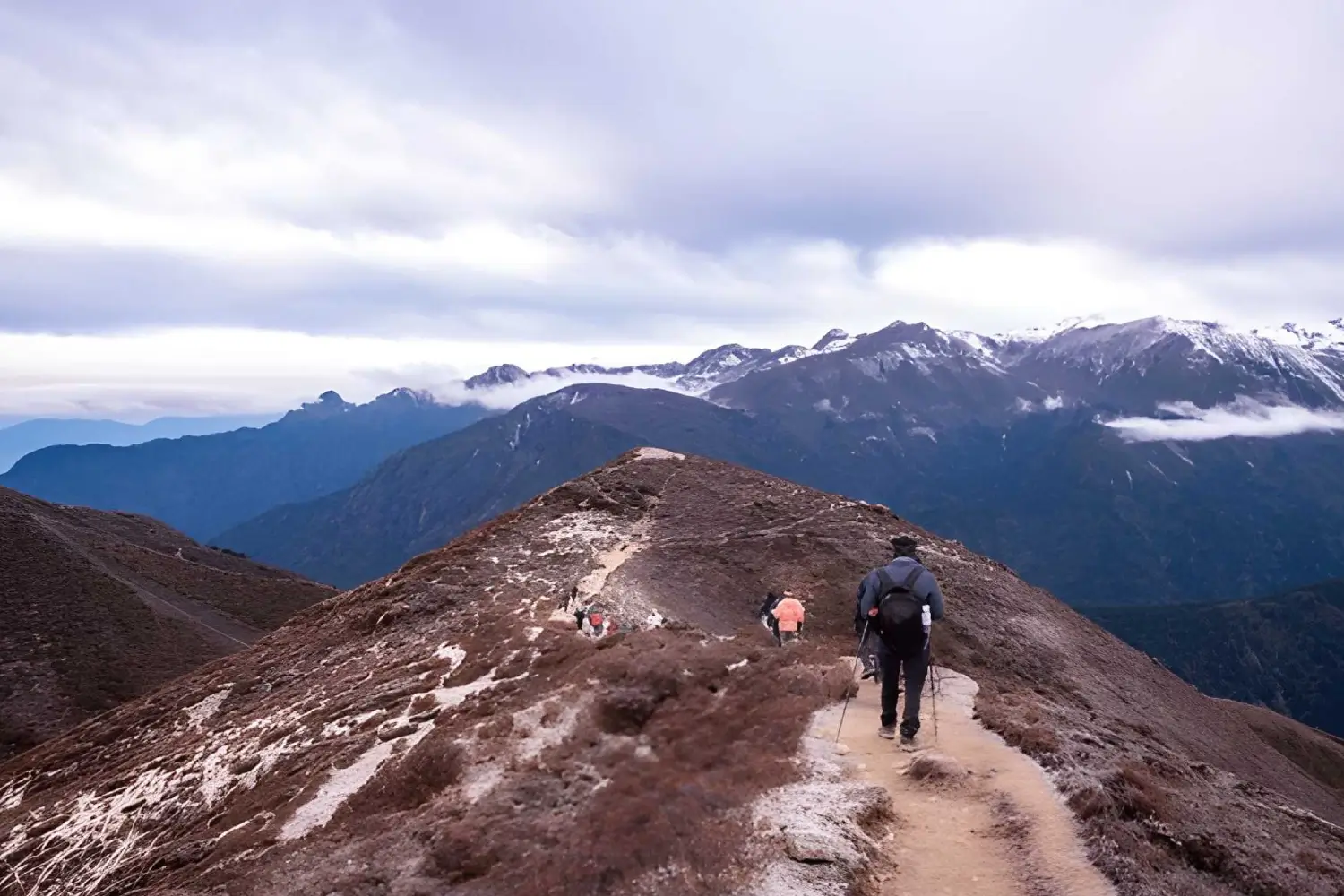
The Kasturi route branches off from the main Goecha La trail and passes through quieter sections of the Kanchenjunga National Park. The terrain remains demanding, with fewer trekkers and longer walking days.
The trek concludes at Tashiding Gompa, an important monastery positioned on a ridge overlooking river valleys. Goecha La remains one of the most iconic high - altitude treks in Sikkim due to its proximity to the Kanchenjunga massif and sustained elevation gain.
- Maximum Altitude : 4,940 m
- Duration : 12 - 14 days
Kanchenjunga Base Camp Trek
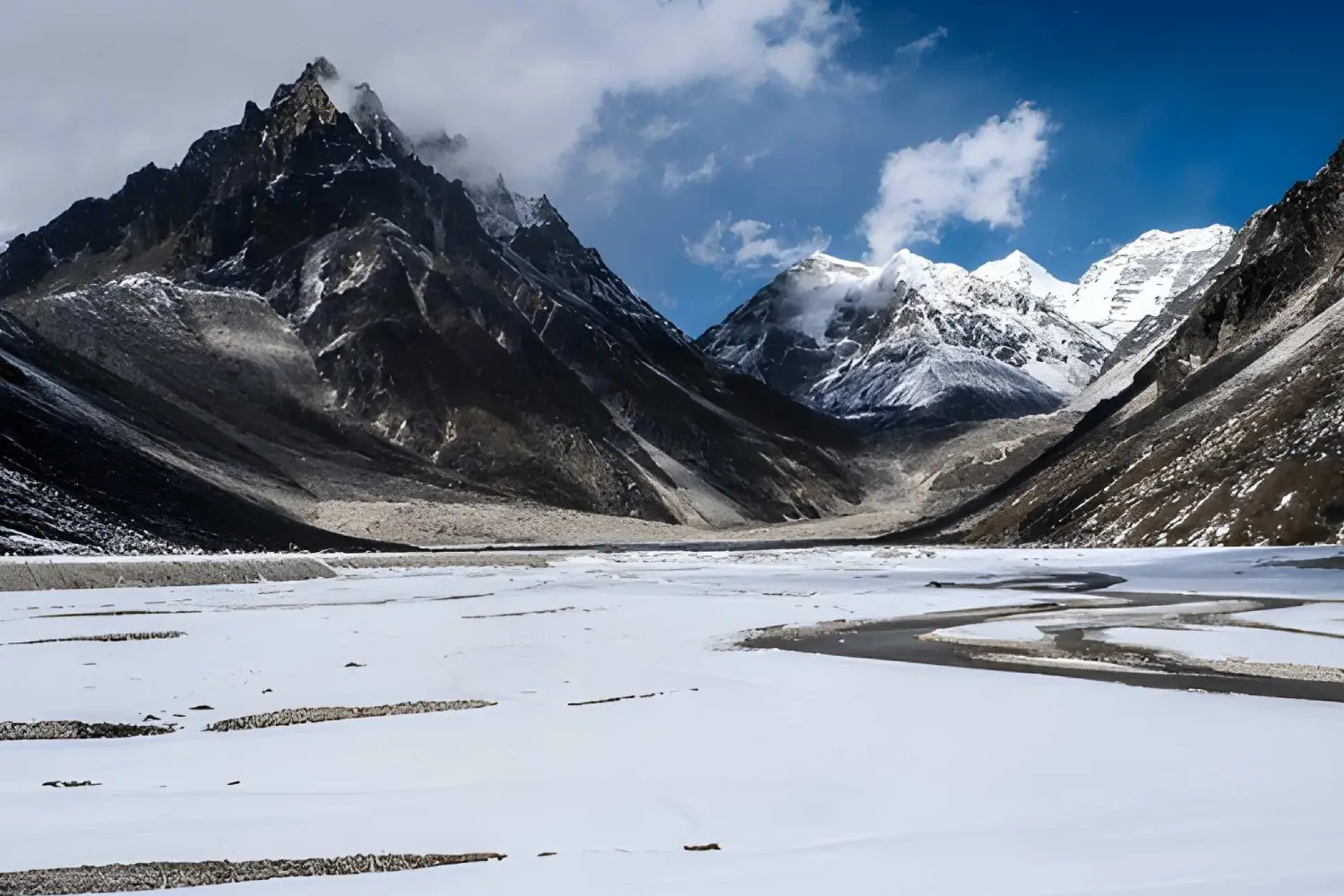
The Kanchenjunga Base Camp Trek ranks among Sikkim's longest and most demanding treks. The trail spans West and North Sikkim, requiring detailed planning and reliable support teams.
Starting from Yuksom, the trek passes through Dzongri and Thangsing before reaching high camp zones near the base of the Kanchenjunga massif. From Sandakphu, trekkers gain views of both Mount Everest and Kanchenjunga on clear days.
- Maximum Altitude : 4,940 m
- Duration : 18 - 20 days
Uttarey - Singalila Trek
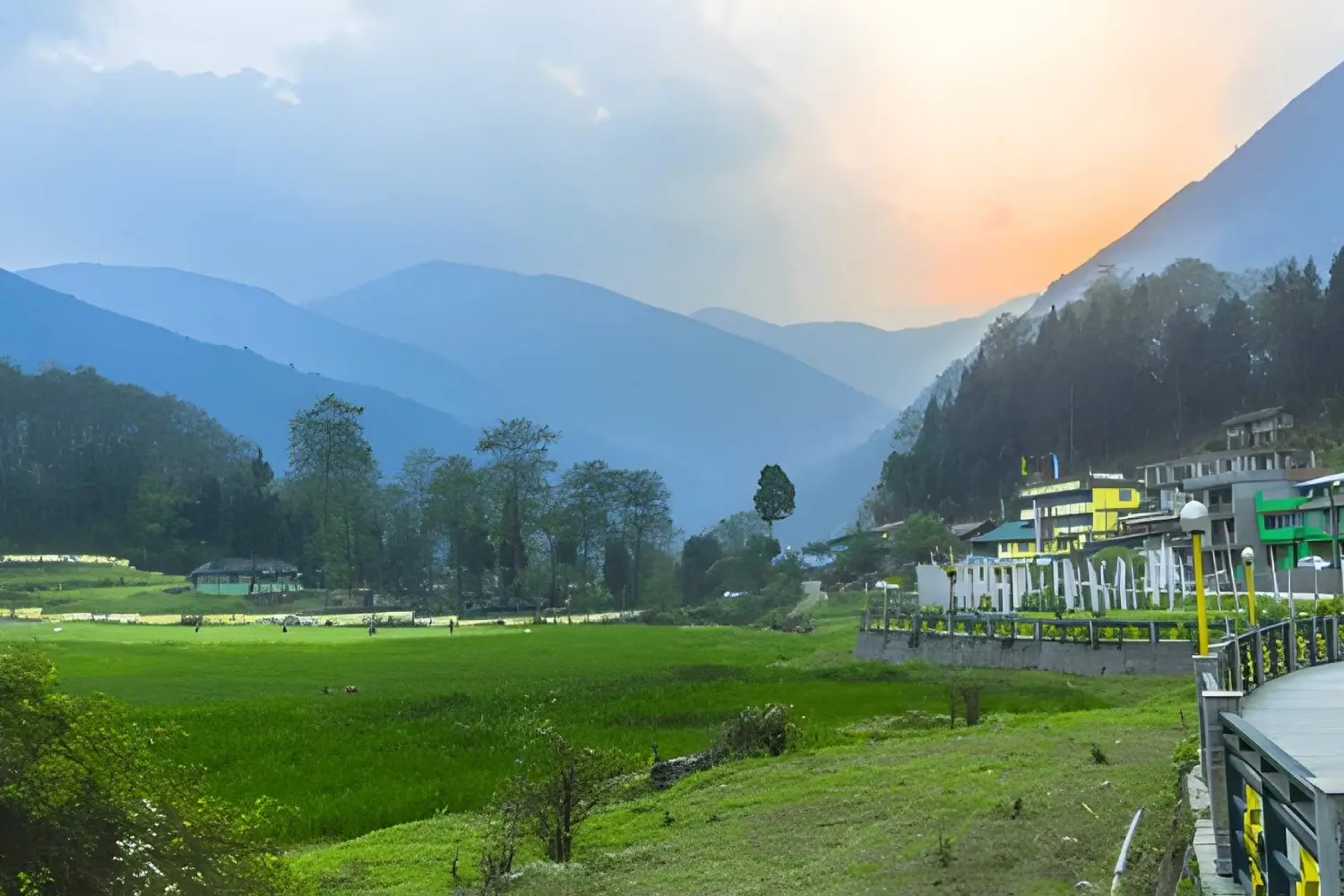
The Uttarey Singalila Trek offers an alternative entry into the Singalila Range. The route begins in Uttarey village and follows ridge lines with open views across eastern Nepal.
This trek avoids heavy elevation gain while maintaining consistent altitude exposure. The terrain suits trekkers who prefer long ridge walks and wide panoramas without extended technical sections.
- Maximum Altitude : 3,636 m
- Duration : 07 - 08 days
Other Trekking Routes in Sikkim
In addition to these major high-altitude routes, Sikkim also offers shorter trekking options that support acclimatisation and flexible travel plans. Lower altitude treks such as Tendong, Mainam, and Jhandi Dara provide shorter hiking options with forest coverage and viewpoint access. These routes work well for acclimatisation or limited travel schedules.
Essential Trekking Information
- Trekking permits are mandatory for all treks in Sikkim
- Restricted area permits apply to select regions
- Registered trekking agencies are required for high-altitude treks
- April to June and September to November remain the preferred trekking seasons
These regulations help preserve Sikkim's fragile mountain ecosystems while maintaining controlled access for serious trekkers.
About Arun Joshi

A thoroughbred adventurer, Arun Joshi was born in the picturesque and landlocked district of Chamoli, Uttarakhand. He is well known for his close association with the Indian Himalayas for the past 16 years, and knows the region inside out. His vast knowledge and first-hand experience of trekking to the many challenging regions of the Indian Himalayas have also helped him to establish himself as the go-to guide in the region.
Recent Posts
5 Guided Treks in Uttarakhand to Try This Winter from January to March 2026
Feb 22, 2026
Famous Treks for Photography in the Indian Himalayas : A Visual Journey
Feb 10, 2026
15 Best Treks in Indian Himalaya for June and July
Jan 30, 2026
Top Treks in Sikkim To Make Your Summer 2026 Adventuresome
Jan 28, 2026
8 Best Monsoon Treks in the Indian Himalayas that You Must Do in 2026
Jan 15, 2026
Most Popular
8 Best Monsoon Treks in the Indian Himalayas that You Must Do in 2026
Jan 15, 2026
0 views
Top Treks in Sikkim To Make Your Summer 2026 Adventuresome
Jan 28, 2026
0 views
Famous Treks for Photography in the Indian Himalayas : A Visual Journey
Feb 10, 2026
0 views
5 Guided Treks in Uttarakhand to Try This Winter from January to March 2026
Feb 22, 2026
0 views
15 Best Treks in Indian Himalaya for June and July
Jan 30, 2026
0 views
Ultimate Himalayan Trekking Adventures Await
Join TrekkingInIndia.com for an unforgettable Himalayan journey through stunning mountains, peaceful valleys, and rich local culture.